The $7,500 federal EV tax credit is gone — dead since September 2025. California just built something to fill the gap, and it works differently than anything that came before it. Rather than waiting until April to file for a rebate, first-time EV buyers in the state will see the savings applied directly to their purchase contract at the dealership. No paperwork maze. No check arriving months later. Just a lower sticker price, on the spot.
Cash Off the Hood, Not a Check in the Mail
California’s $270 million MyFirstEV program puts instant discounts on the sticker price for first-time electric vehicle buyers.
The program, branded MyFirstEV, strips $3,500 off a new EV right at the dealership. No rebate application. No waiting until tax season. The state put up $135.5 million, and participating automakers must match every dollar — creating roughly $270 million in total buying power. Governor Newsom signed the enabling legislation in early July 2026, with discounts expected to roll out later this summer per CARB.
Who Qualifies and What the Rules Look Like
First-time EV buyers receive the discount automatically at purchase — no income test, no post-sale paperwork required.
- New EVs priced at $50,000 or less qualify for $3,500 off.
- Used EVs at $25,000 or below get $1,750.
- Each discount splits evenly between state funds and the automaker.
Buyers simply attest to first-time EV status at the point of sale, and the savings hit the purchase contract like a dealer rebate. No income threshold applies. The program covers light-duty passenger vehicles under 8,500 pounds, registered in California. CARB is expected to publish the participating automaker list soon, according to Electrek.
The Headquarters Loophole – and Tesla’s Absence
Lucid and Rivian dodge the price cap through a California-HQ exemption that Tesla, after its move to Texas, cannot access.
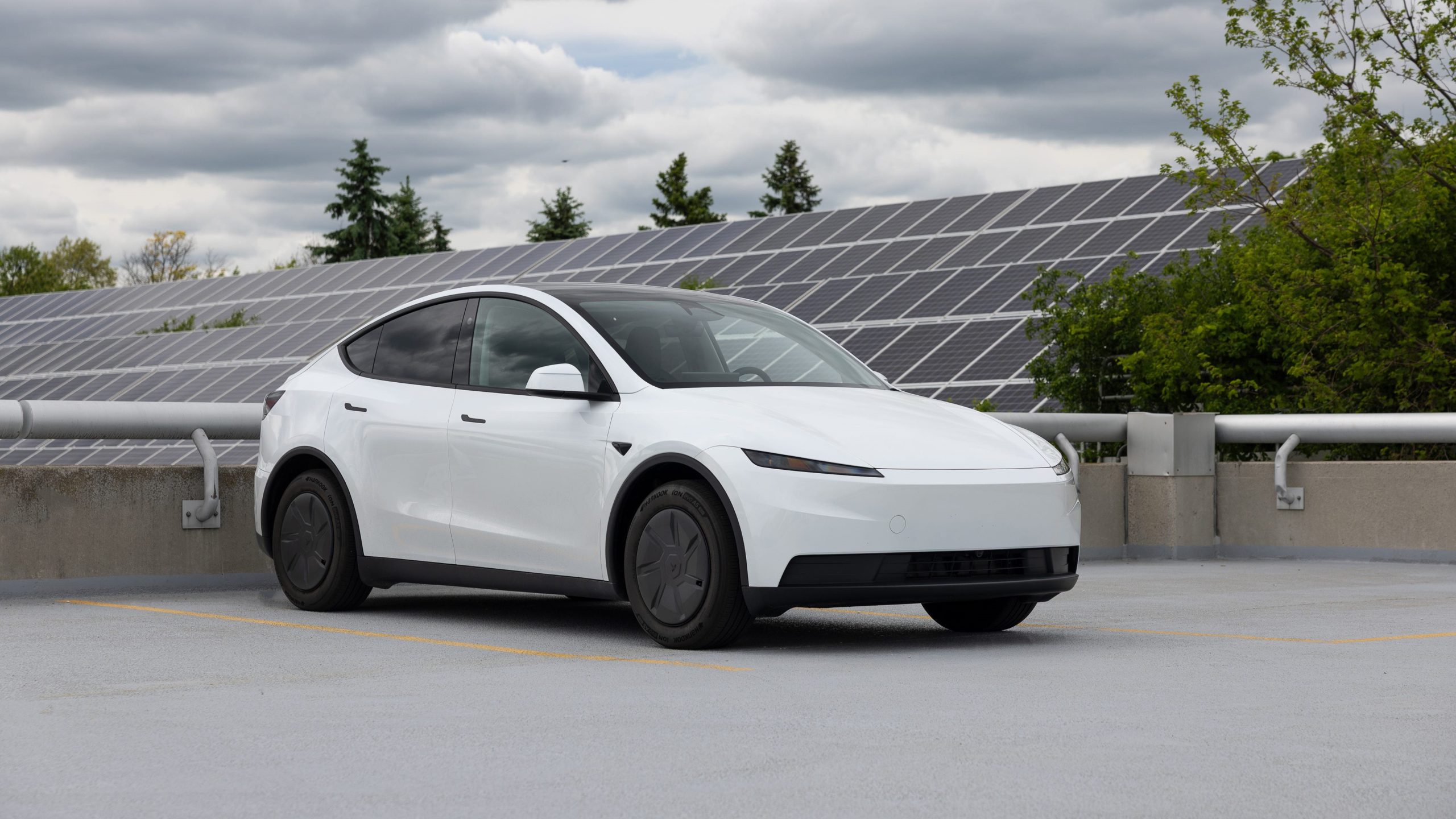
Most automakers face that hard $50,000 ceiling. Two don’t. California-headquartered, EV-only manufacturers — Lucid in Newark and Rivian in Irvine — get the full $3,500 regardless of sticker price, per Electrek. Tesla, which relocated its headquarters to Austin in 2021, plays by standard rules. Certain Model 3 and Model Y trims qualify under the $50,000 cap. The Cybertruck does not. Relocating a corporate address, it turns out, has consequences beyond the moving trucks.
What the Discount Does to Real Prices
Analyst projections suggest the savings could push several popular EVs below $35,000 — but only if automakers opt in.
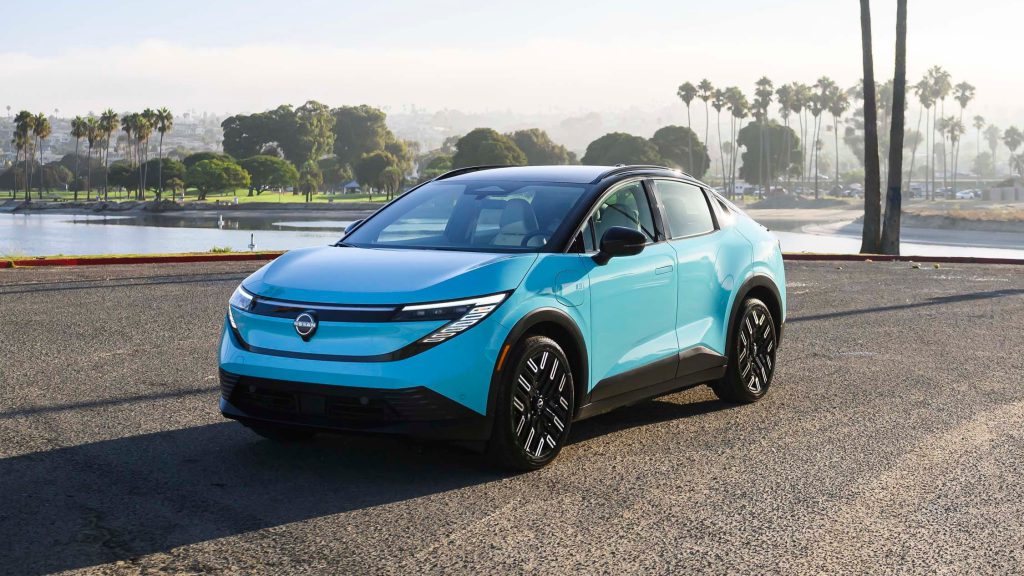
The math matters here. If GM participates, a Chevy Bolt could reportedly drop to around $25,495, according to Jalopnik’s analysis of current MSRPs. A Nissan Leaf might land just above $28,000. These are analyst projections, not official state figures. But the real shift is the psychological threshold — more EVs under $35,000 could meaningfully reshape how California shops for cars. Income-qualified buyers may also access separate programs like Clean Cars 4 All and the Driving Clean Assistance Program, which offer up to $12,000–$14,000 for eligible low-income residents per Coltura.org, though those involve distinct eligibility requirements and additional steps. The headquarters exemption may also face legal scrutiny from out-of-state manufacturers, though no court challenge has materialized yet.
First-time EV shoppers should watch for CARB’s participating automaker list this summer. That list determines which vehicles qualify. The money is real — the question is whether a given brand shows up to match it.