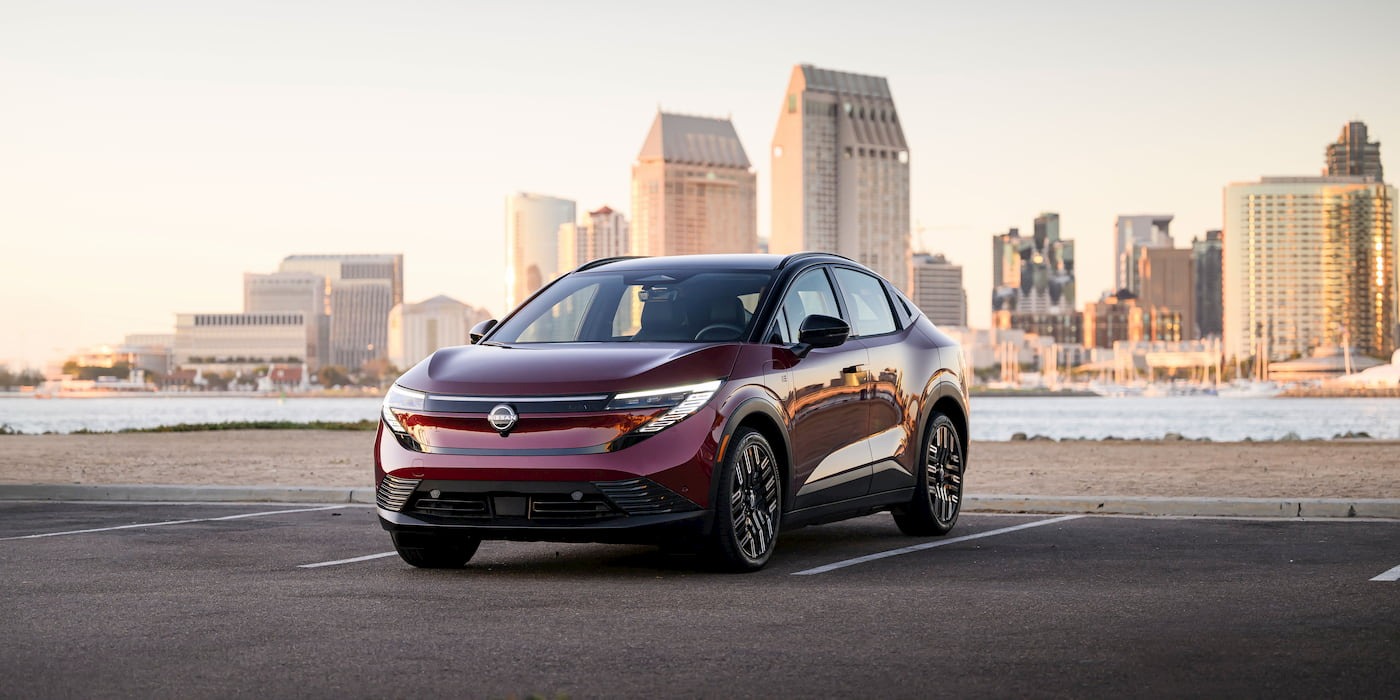
Budget-conscious EV buyers shopping just got harder. Nissan has indefinitely delayed the entry-level 2026 LEAF S trim in the US, eliminating what would have been the automaker’s most affordable electric option. Your search for a sub-$30,000 EV with decent range now has one fewer contender in an already thin market.
The Price Jump Hits Different
The most affordable 2026 LEAF now starts at $29,990 for the S+ trim—but add the mandatory $1,495 destination fee, and you’re looking at $31,485 out the door. That 75 kWh battery delivers an impressive 303 miles of EPA range, making it competitive against the $28,995 Chevy Bolt. Still, losing that lower-priced option stings when every dollar counts for budget buyers transitioning from gas engines.
The missing S trim would have packed a smaller 52 kWh battery with 174 horsepower, likely offering 200-220 miles of range. Think of it as the EV equivalent of ordering a small coffee when you really need the caffeine but can’t justify the grande price—sometimes good enough is exactly what your wallet needs.
Range Anxiety Meets Sticker Shock
Picture this scenario: your daily commute runs 40 miles round trip, and weekend errands rarely exceed 100 miles total. That hypothetical 220-mile LEAF S would have covered your needs with charging to spare, but now you’re forced to pay for 300+ miles you’ll rarely use. It’s like buying a gaming laptop when a Chromebook would suffice, except the price difference affects your car payment for years.
Market Forces Squeeze Out Budget Options
Nissan cites the “evolving EV landscape” for the delay, but industry realities tell a clearer story. Potential tariffs on Japan-built vehicles create uncertainty, while reduced profitability on sub-$30,000 EVs makes these trims less attractive to manufacturers. A Nissan spokesperson mentioned they’ll “continue to assess future battery configurations,” leaving a possible 2027 launch hanging in corporate-speak limbo.
Your move? The 2027 Chevy Bolt remains your best bet for genuine affordability, while upcoming Ford and Volkswagen entries promise more options. Just don’t expect that mythical $25,000 EV promise to materialize anytime soon—automakers seem more interested in chasing premium margins than democratizing electric driving.