Drivers recognize the moment instantly. An oncoming SUV rounds the curve, and suddenly the windshield becomes a wall of white light. Eyes water. Hands tighten. Words are muttered that polite company doesn’t repeat. Here’s the part most drivers don’t know: some of those headlights are literally breaking federal law — and the automakers responsible would rather argue about it than fix them.
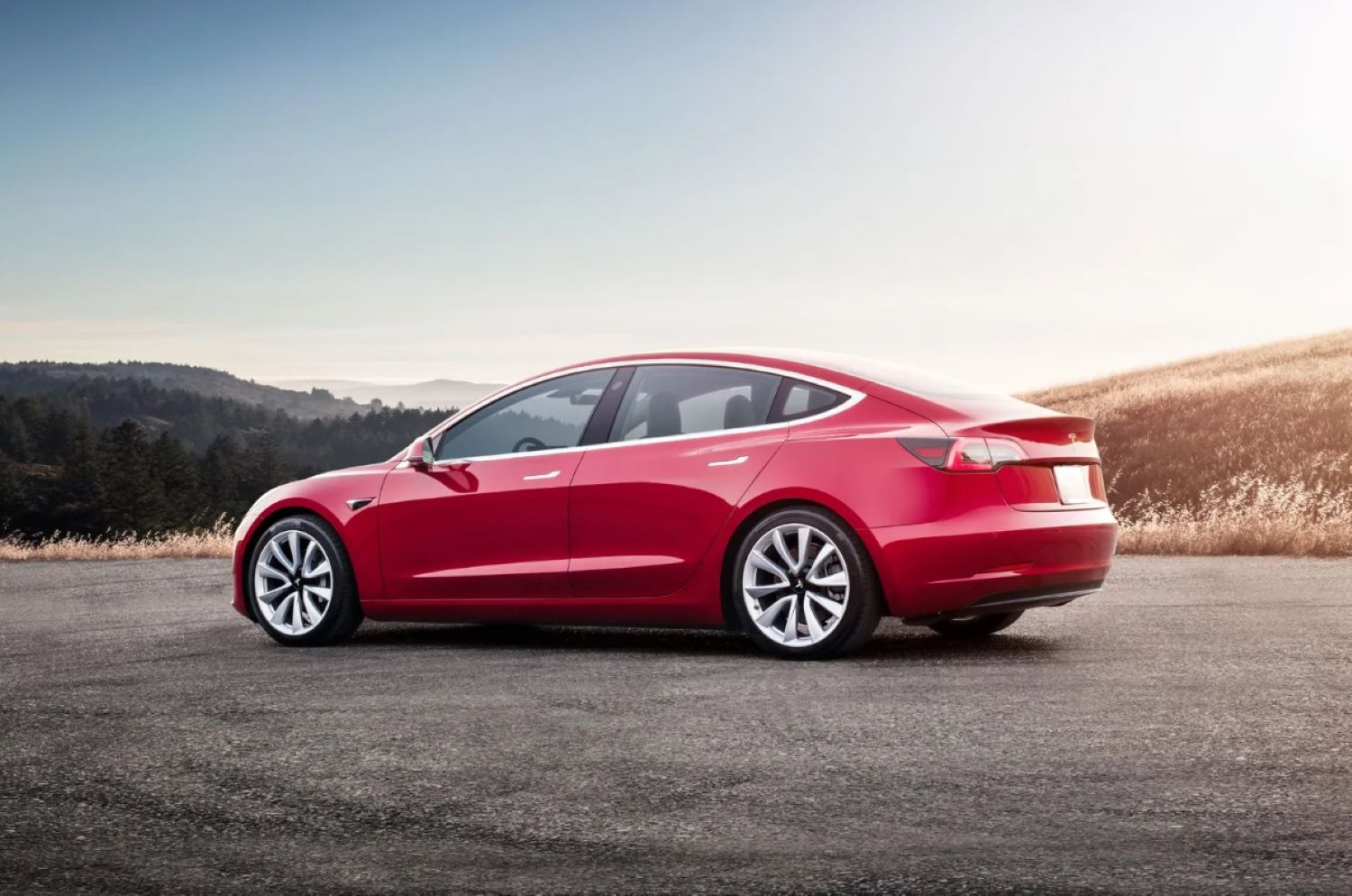
NHTSA denied Tesla’s petition to avoid remedying roughly 19,900 Model 3 (2017–2023) and Model Y (2020–2023) vehicles whose low beams exceed brightness limits under FMVSS No. 108, the federal standard governing vehicle lighting. Tesla must now notify owners and provide a free fix. Six in ten U.S. drivers say headlight glare is a problem after dark — and that number makes the stakes hard to ignore.
The “Trust Us, It’s Fine” Defense
Tesla’s inconsequentiality argument collapsed the moment NHTSA looked beyond ideal driving conditions.
Tesla filed a noncompliance report in July 2024 and followed up a month later with a petition asking NHTSA to declare the issue inconsequential. The argument:
- those overly bright zones sat outside drivers’ normal sight lines
- internal testing showed no glare risk
- nobody had complained
Zero crashes. Zero injuries. Nothing to see here — except, apparently, too much light.
NHTSA said it “disagreed with Tesla’s conclusion that there was no increased glare risk to surrounding traffic or the vehicle’s driver under any driving conditions.” Rain, snow, and fog worsen veiling glare from noncompliant lamps — conditions Tesla’s testing didn’t replicate. The agency was equally unimpressed by the silence on the complaint line: no reported problems doesn’t mean no problem exists, and it doesn’t guarantee one won’t surface.
Tesla Isn’t Alone in This Fight
General Motors tried the same defense over 725,000 GMC Terrain SUVs — and lost.
Before Tesla tried this maneuver, GM ran the identical play. The company told NHTSA it had received exactly one customer inquiry and zero accident reports tied to headlamp housing reflections that created glare. NHTSA required the recall anyway.
Three-quarters of U.S. drivers say headlight glare has worsened over the last decade, according to a Reuters-cited survey. That frustration now has a regulatory echo.
The pattern is unmistakable. Automakers treat lighting violations like parking tickets — annoying paperwork, not hardware defects. NHTSA’s back-to-back rejections of GM and Tesla signal otherwise. Exceed federal brightness standards under FMVSS No. 108, and the agency puts you on the hook for a physical remedy and owner notification. Full stop.
For Tesla, the obligation is now concrete: notify affected owners, provide a free fix, no debate. For everyone else white-knuckling through nighttime traffic — squinting at oncoming high-beams that feel like a security floodlight aimed at eye level — the regulatory message is grimly reassuring. Illegal brightness is finally being treated as the safety problem most drivers already know it is.