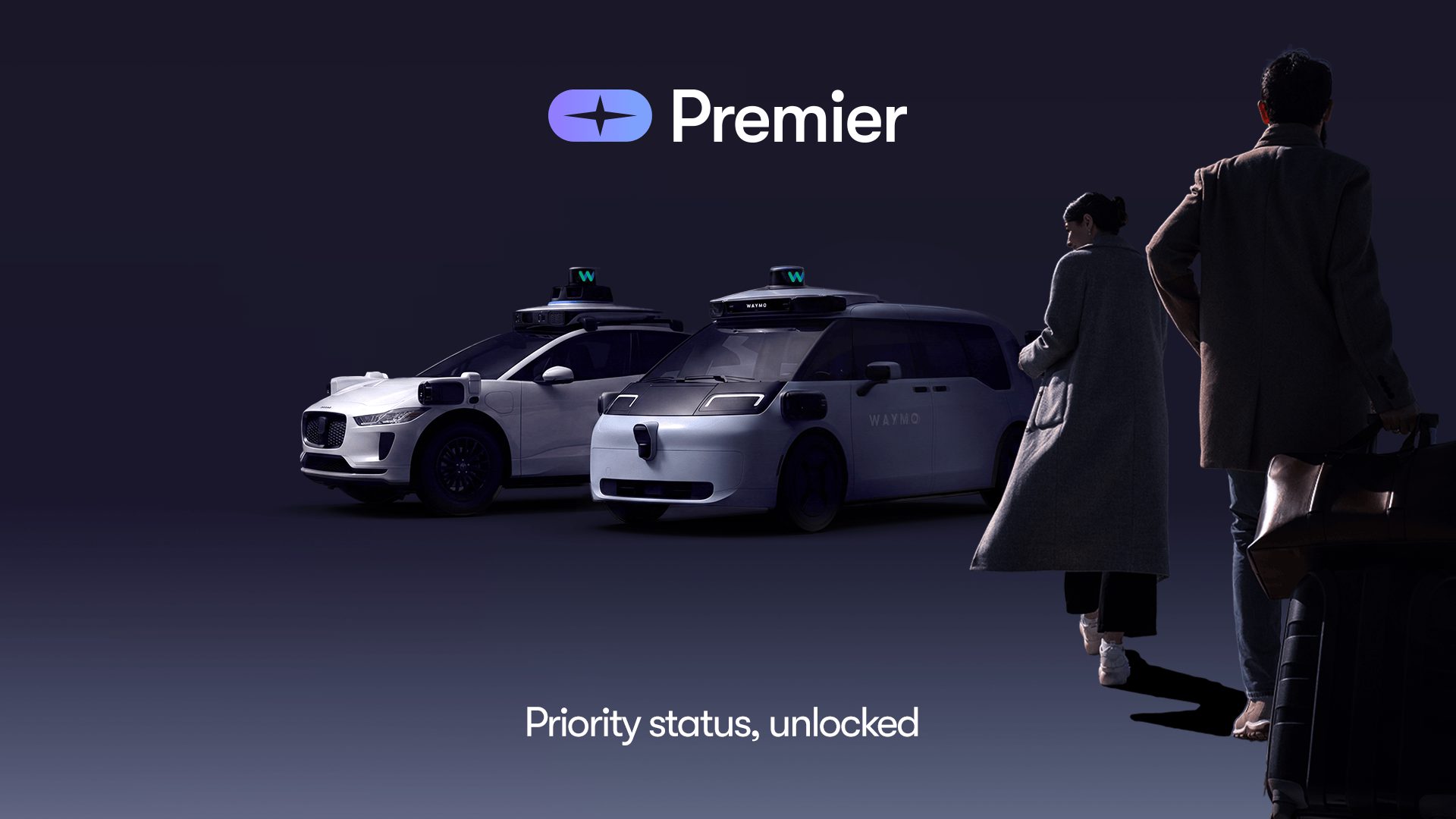
Three times more expensive than Uber One, Waymo’s new Premier membership costs $29.99 monthly but targets a different beast entirely: frequent robotaxi riders willing to pay premium prices for guaranteed autonomous access. The math only works if you’re spending roughly $300 monthly on Waymo rides—making this less about casual users and more about capturing the small but lucrative cohort of AV enthusiasts who’ve ditched human drivers entirely.
Priority Access and Credits Bundle Premium Perks
The membership delivers more than just 10% cash back in ride credits. Members skip virtual lines during high-demand periods, essentially buying their way to the front of the robotaxi queue when everyone else is waiting. Five free cancellations monthly eliminate the sting of last-minute plan changes, while “enhanced rewards during busy times” suggests surge-period bonuses that could push effective cash back above the baseline 10%.
Most intriguingly, Premier unlocks access to robotaxis in cities still operating waitlists, transforming membership into early-access privilege. This positions Waymo’s subscription like concert pre-sales or limited drops—scarcity becomes part of the value proposition.
Geographic Gaps Reveal Uber Partnership Tensions
Premier won’t launch in Austin or Atlanta, where Waymo operates exclusively through Uber’s app rather than its own Waymo One platform. This geographic limitation exposes a strategic vulnerability: Waymo can’t layer subscription products over rides booked through partner platforms, limiting revenue diversification in key expansion markets.
The restriction highlights how Uber partnerships, while providing rapid market access, constrain Waymo’s ability to build direct customer relationships and recurring revenue streams that bypass traditional per-ride economics.
Airlines Provide the Subscription Revenue Blueprint
Waymo’s Premier mirrors airline loyalty strategy more than typical ride-hailing discounts. The four largest U.S. airlines disclosed their loyalty programs were so lucrative they’d have operated at losses in 2024 without membership revenue—even using these programs as collateral for federal pandemic loans.
This suggests Waymo views Premier as an eventual profit center independent of robotaxi operations, similar to how airlines monetize miles and status benefits. With over 50 million Uber One subscribers proving demand for mobility memberships, Waymo’s betting heavy users will pay premium prices for autonomous-specific perks that traditional ride-hail can’t match.
Premier signals autonomous vehicles transitioning from novelty service to subscription-driven platform, where recurring revenue and customer lock-in matter as much as per-mile efficiency.