By 2035, U.S. data centers are projected to consume 15 billion cubic feet of natural gas per day for electricity generation, according to BloombergNEF’s revised outlook published September 14, 2026. That volume would exceed current gas consumption in every country except China, Russia, Iran, and the U.S. itself.
This is not a server-room story. It is an emissions story, an energy-policy story, and a question of whether the AI industry wants to own the consequences of its power appetite before the concrete is poured.
The Numbers Nobody in Silicon Valley Is Talking About
Four data points that reframe the AI boom as an energy crisis.
The scale of what is being built right now is staggering:
- BloombergNEF now forecasts 15 billion cubic feet per day of additional gas demand from data centers by 2035, more than double its own December 2025 estimate of 6.9 billion cubic feet per day, according to Bloomberg.
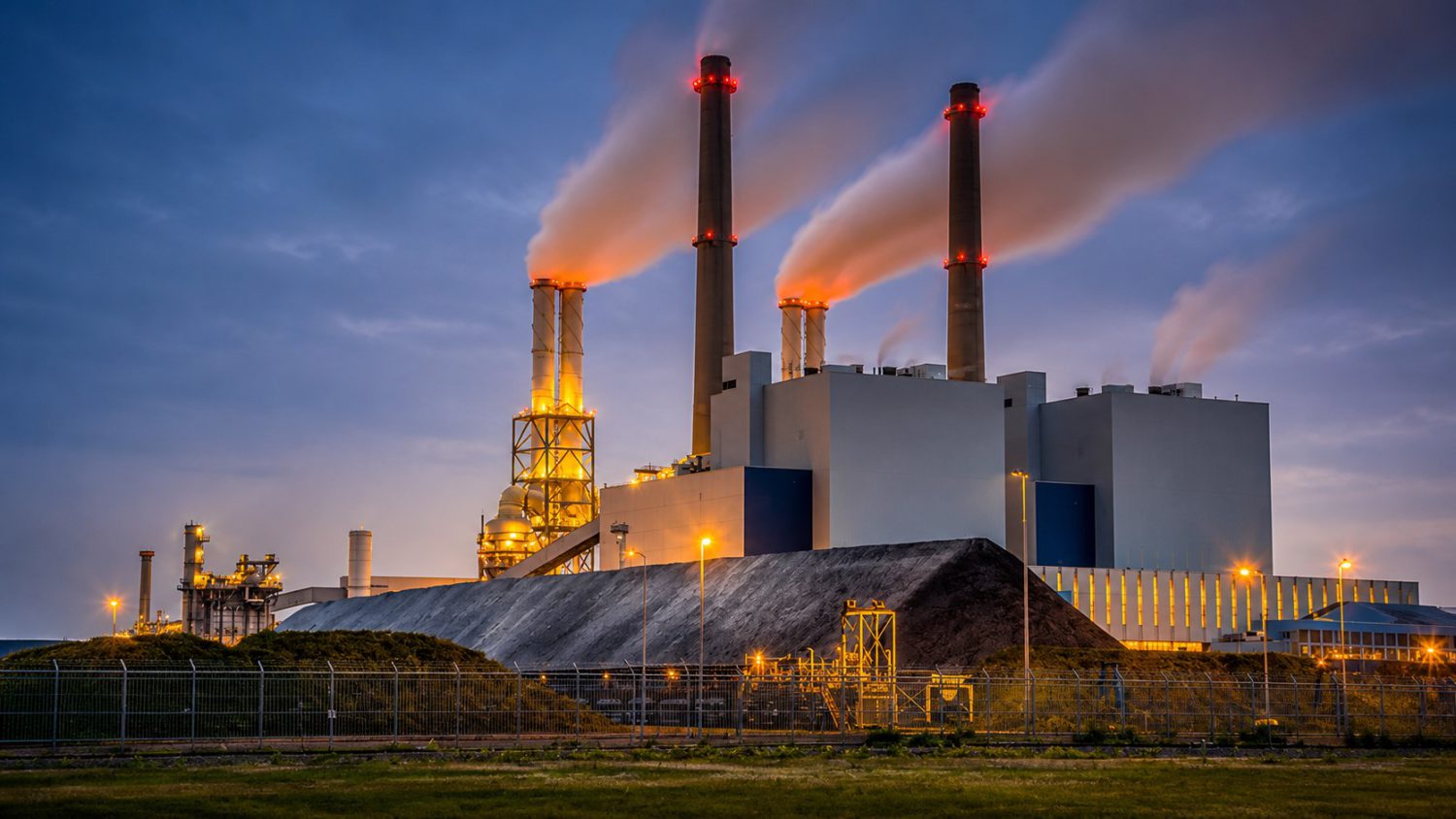
- Moody’s estimates the demand surge requires more than 30 gigawatts of new gas-fired supply, part of a broader $110 billion power-plant buildout, according to Bloomberg.
- Gas-turbine orders have hit their highest level since 2000, driven directly by data-center load growth, according to S&P Global.
- Proposed gas plants tied to data centers could raise U.S. power-sector emissions by 20%, according to Bloomberg reporting from August 2026.
To put 15 billion cubic feet per day in human terms: Germany, Europe’s largest economy, currently consumes roughly 9 billion cubic feet of gas per day across its entire economy. U.S. data centers would blow past that number by 2035, running not factories or home furnaces, but AI inference engines.
Why Gas, and Why That Answer Is Not Good Enough
The industry has a real constraint and a convenient excuse, and it is blending the two.
Gas is fast to permit, fast to build, and runs around the clock without depending on weather. Grid interconnection queues for utility-scale renewables stretch three to five years in many U.S. markets, and that is the honest context.
But fast is not the same as right. Choosing gas today risks locking in fossil infrastructure for 30 or more years, well past any credible net-zero timeline. Data-center operators know this. The trend toward behind-the-meter gas generation, where companies build their own power plant on-site and sidestep the grid entirely, makes the accountability problem even murkier, according to RBC Capital Markets analysis of the buildout.
The industry cannot keep treating its power source as someone else’s problem.
What Needs to Change
Every stakeholder in this chain has something specific to answer for.
Tech companies owe the public transparent Scope 2 emissions reporting and credible renewable procurement timelines, not vague net-zero pledges for 2040. Utilities need to share honest load forecasts with regulators rather than filing for gas capacity approvals quietly. Regulators need permitting reform that accelerates clean alternatives at the same speed currently reserved for gas projects. Data-center operators planning behind-the-meter generation need to publicly disclose their emissions profiles.
If you use AI tools daily, your prompts now have a gas meter attached to them. That is a structural fact, and the companies building these systems have spent considerable effort ensuring you never think about it.
The Window Is Narrowing
Efficiency gains are real, but they are not a plan.
AI chip efficiency is improving, and those gains could moderate demand growth somewhat. No current forecast assumes they will be enough to change the trajectory. The industry has a narrow window to choose a different path before $110 billion in gas infrastructure makes the choice for it, and calls it inevitable.