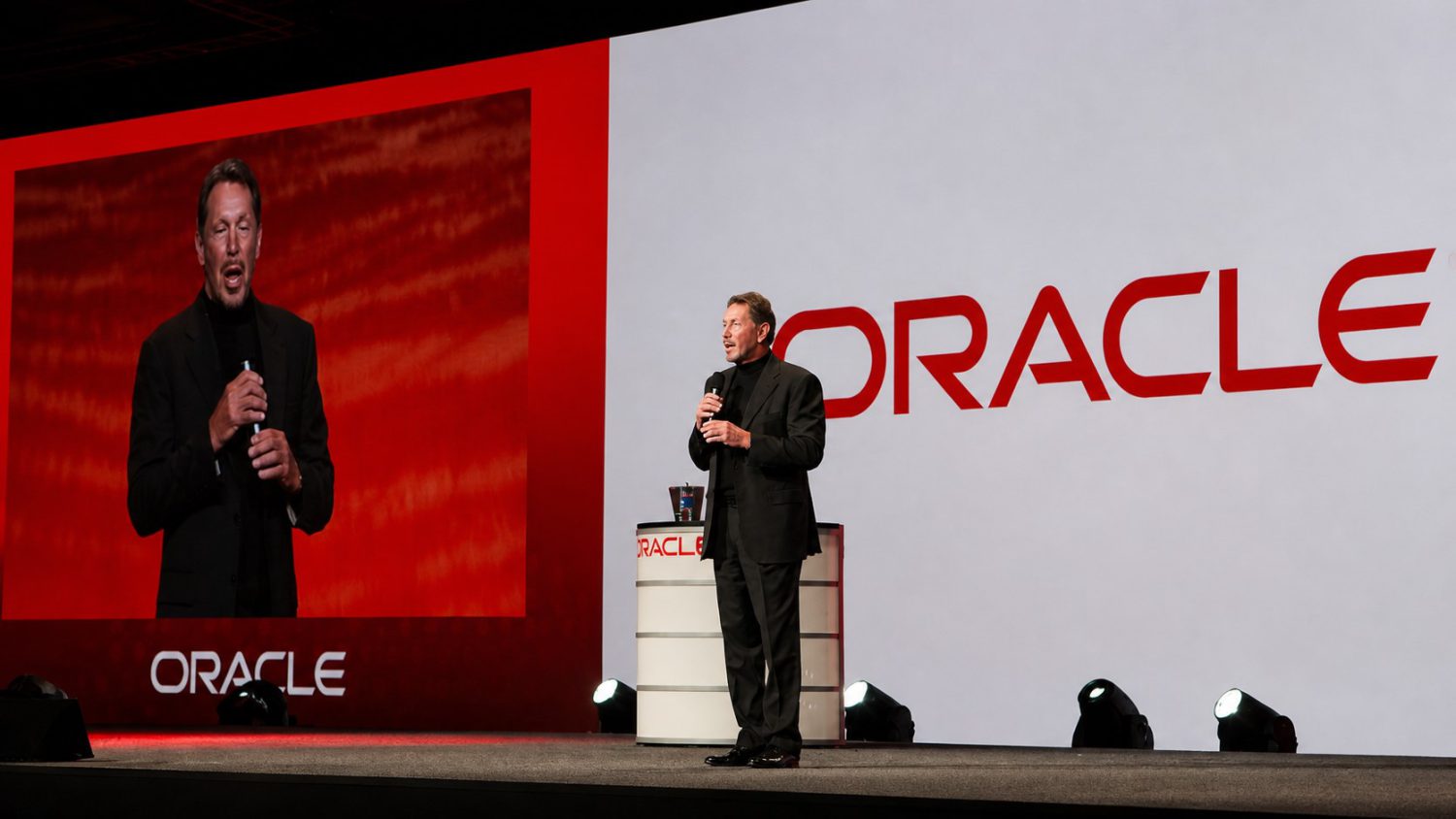
A $7.5 billion stock-sale plan came and went without a single Oracle share changing hands. Oracle announced Saturday that co-founder, executive chair, and CTO Larry Ellison had canceled the prearranged trading plan entirely, offering shareholders no explanation for why.
For investors already watching Oracle’s stock under pressure, the silence is the story.
What Actually Happened
The mechanics are straightforward, even if the reasoning is not. Ellison adopted the trading plan on June 22, 2026. The plan authorized the sale of up to 50 million Oracle shares, worth roughly $7.5 billion at Friday’s closing price, according to Reuters. The plan was scheduled to expire October 24, 2026. Oracle stated in its September 12 investor announcement that no Oracle stock was sold under that plan and that Ellison has no other plans to sell any of his Oracle stock. Oracle gave no reason for the cancellation, according to TechCrunch.
The plan itself was a standard Rule 10b5-1 arrangement, the kind executives use to schedule future sales in advance and insulate themselves from insider-trading concerns. Canceling one is permitted under SEC rules; Oracle provided no explanation for doing so.
What the Market Should Know (But Doesn’t)
Canceling the plan removes what traders call an overhang: the weight of anticipated insider selling pressing down on share price. Investors may read the cancellation as a signal that Ellison sees no reason to reduce his Oracle exposure at current prices. That reading is reasonable, but it is also inference rather than a stated rationale, and the distinction matters.
Reuters reported that Oracle shares declined after the original plan was first disclosed, a reaction consistent with how markets typically greet large insider-sale announcements. Removing the plan reverses that psychological pressure, even if the underlying fundamentals remain unchanged.
Down approximately 22% year to date, according to the research brief, Oracle’s stock has reflected persistent investor unease. That figure should be verified against current market data before publication. WSJ coverage has flagged the company’s capital spending on AI infrastructure and data centers as a recurring driver of stock volatility.
Ellison’s financial picture extends well beyond Oracle. He has backed his son David Ellison’s bid involving Warner Bros. Discovery, a deal that has faced legal challenges in court, according to iTiger reporting. Oracle is also part of the investor group involved in TikTok’s U.S. operations, which NPR and Reuters described as controlled largely by American investors including Oracle. Neither commitment has been cited as a reason for the cancellation; both are context for understanding the scope of Ellison’s financial interests.
Oracle has not stated what prompted the cancellation, and the public record does not supply an answer.
What to Watch Next
The absence of any explanation leaves one central question unanswered: what changed between June 22 and September 12? Oracle’s next earnings call is the most likely forum for leadership to address the cancellation. Until then, investors are left to interpret the silence.