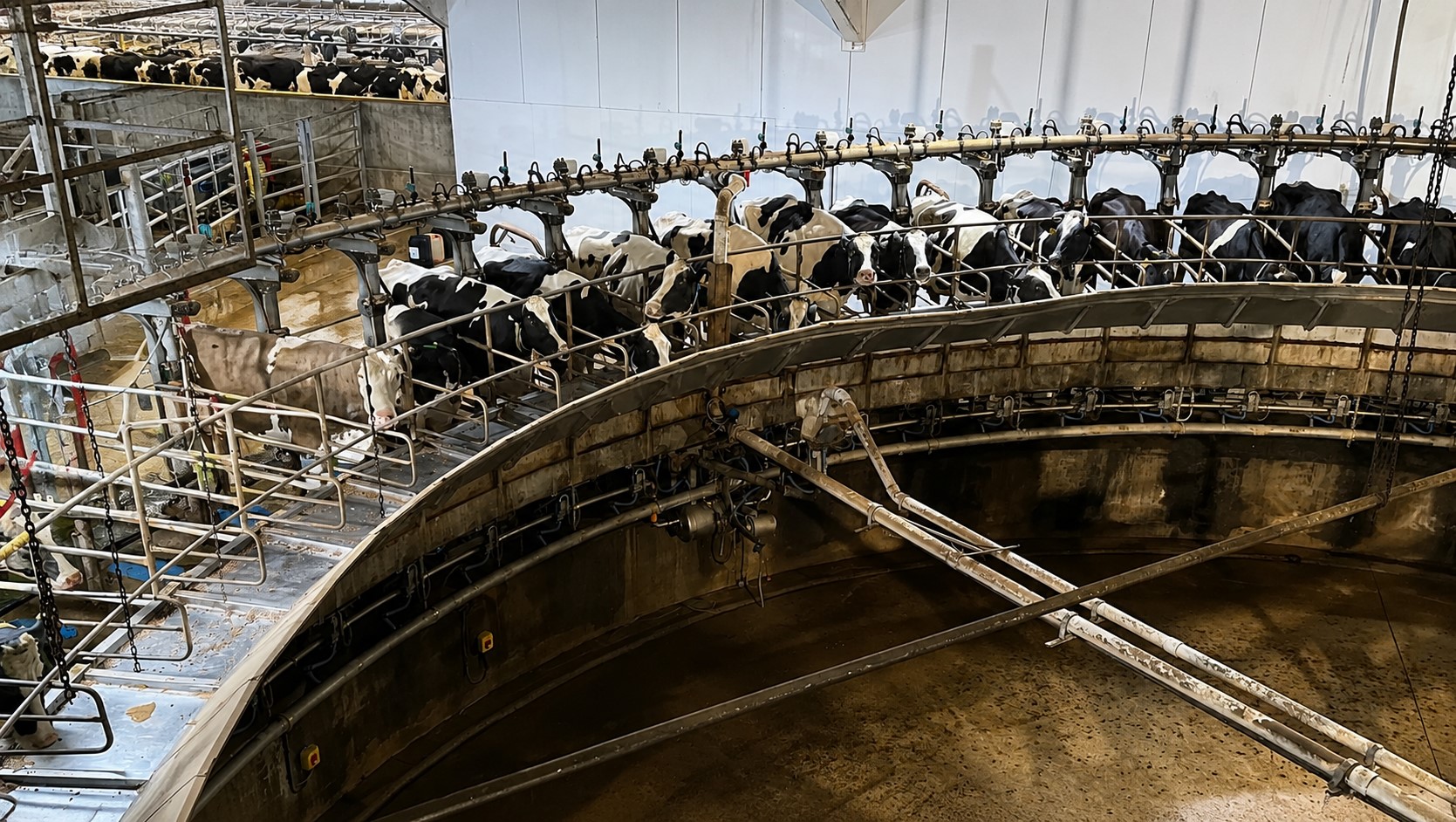
Barber’s Farmhouse Cheesemakers has been making cheddar since 1833 — a family dairy in Somerset that predates the telephone, the light bulb, and a good chunk of modern civilization. And yet, this same operation is now running energy technology that most contemporary food manufacturers haven’t bothered to install. The numbers are stark: electricity use cut by roughly half, £70,000 saved annually, and nearly 66 tons of carbon eliminated each year — across just three of seven milking parlors. That’s not greenwashing. That’s a balance sheet.
How It Works: Cold Milk, Hot Water, Zero Waste
The system does two jobs at once, which is exactly why the economics are so hard to argue with.
UK startup Arkaya Energy built what it calls a milk-source heat pump — and the name is exactly what it sounds like. Fresh warm milk enters the system and gets chilled to 35°F. The captured waste heat then drives water up to 198°F, which gets used to wash udders, suction cups, and milk tanks. No separate boiler required. The thermal energy that most dairies simply vent into the air gets recycled back into the operation in the same moment it’s created. Conventional UK dairy systems frequently still need an added electric-resistance or fossil-fuel boiler to hit those temperatures. Arkaya’s setup skips that entirely.
- Electricity consumption cut by approximately 50%; savings of roughly £70,000 per year
- Carbon emissions reduced by nearly 66 tons annually
- Three of Barber’s seven milking parlors converted; full conversion targeted by 2028
- Payback period: under two years
- Arkaya launched its product in 2024; 27 systems installed, with 34 more expected by year-end
The Math That Makes This Compelling
A sub-two-year payback is the kind of number that makes a CFO put down their coffee.
Industrial efficiency investments routinely take the better part of a decade to recoup. Under two years sits in a different category entirely. Dairy farms are, as one industry expert told Canary Media, a “slam-dunk opportunity” for electrification — because cooling and cleaning hot water are needed simultaneously on site, making heat recovery more practical here than in almost any other sector.
Arkaya is still small. Twenty-seven installations is a promising proof of concept, not a proven industrial rollout. The startup plans to expand from the UK to Ireland, then broader Europe — a sensible sequence, though scaling manufacturing and installer support is historically where early-stage energy companies hit their ceiling.
Still, the implication is hard to sidestep. If a family dairy founded nearly two centuries ago can cut its energy bill in half with a payback period shorter than most phone upgrade cycles, the argument that decarbonization moves too slowly — or costs too much — gets a lot harder to make. Barber’s full conversion is targeted for 2028. That deadline is worth watching.