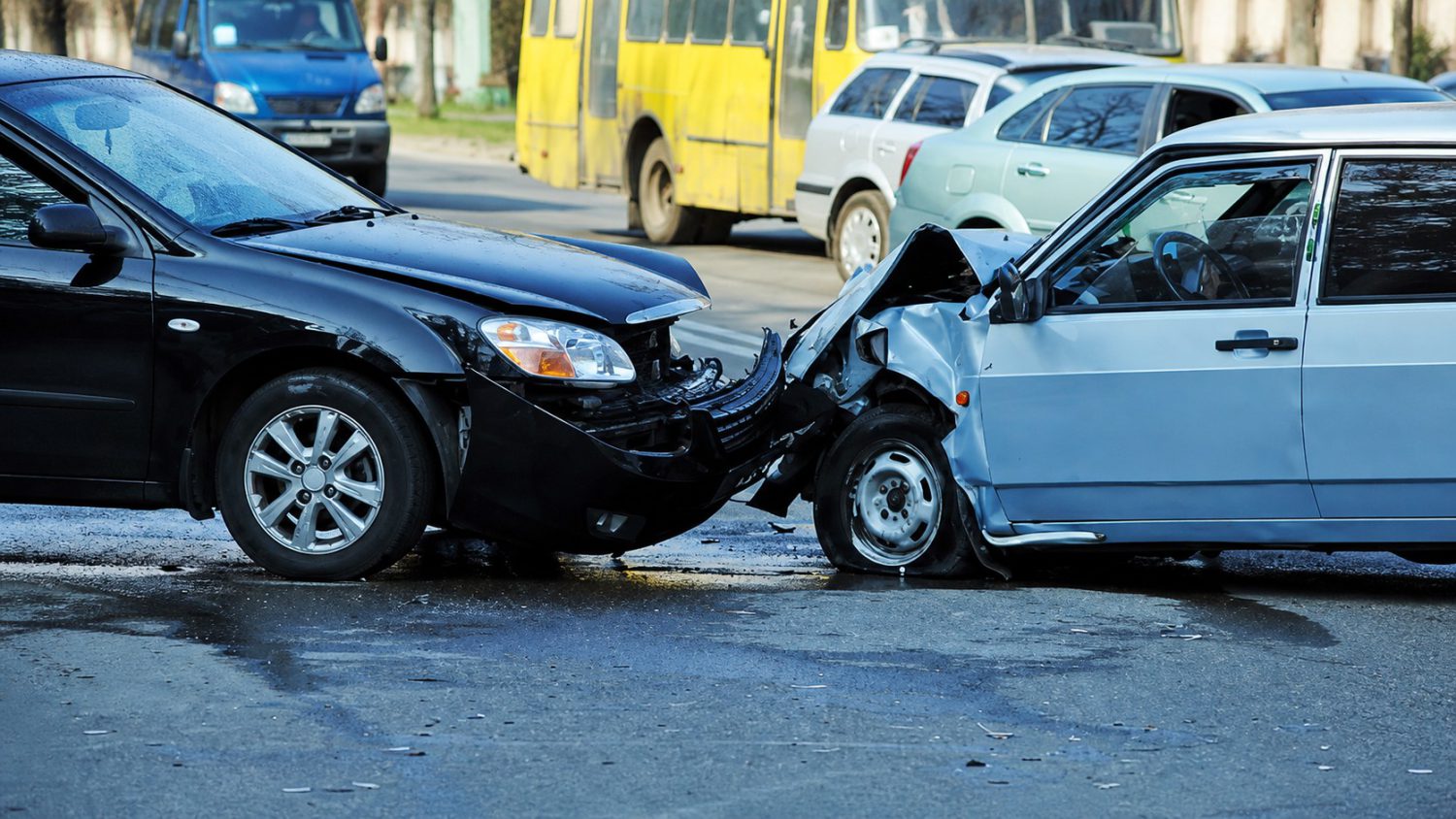
At 3 a.m. on October 31, 2025, a 2020 Tesla Model 3 sat completely still in a live eastbound lane on Loop 202 near Dobson Road in Mesa, Arizona. A Ford F-350 hit it at speed. The Tesla driver died at the scene. What local news reported as a straightforward rear-end collision turned out to be something far more disturbing — confirmed only months later through analysis of Tesla’s heavily redacted federal crash filings.
The Same Crash, One Month Apart
Two incidents sharing an identical signature suggest a pattern regulators cannot afford to dismiss.
Twenty-five days before Mesa, on October 6, 2025, another 2020 Tesla Model 3 was stopped at 0 mph in the center eastbound lane of I-4 near Lake Mary Boulevard in Seminole County, Florida. That driver was also killed in a rear-end collision. Tesla’s filings with NHTSA — the National Highway Traffic Safety Administration — tell the same story twice:
- Automation “Engagement Status: Verified Engaged”
- Pre-crash movement listed as “Stopped”
- Same model year
- Same system confirmed active
- Same outcome
Analysts tracking Tesla’s crash data are calling it a signature — not a coincidence, but a pattern.
What Tesla’s Reports Actually Say – and Don’t
The answers exist somewhere inside Tesla’s data. The company has blacked them out.
Under NHTSA’s Standing General Order, manufacturers must report crashes where a Level 2 driver-assist system — like Autopilot or FSD — was active within 30 seconds of impact. Tesla’s filings confirm both systems were “Verified Engaged” and both vehicles were fully stopped under normal road and weather conditions. Everything else? Redacted as “confidential business information.” All of the following remain sealed:
- The crash narrative explaining what the system did
- The software version running at the time
- Whether the road was even within the system’s approved operating zone
Tesla holds the crash narrative logs and is under no current legal obligation to release them.
Tesla’s systems are documented to exhibit “phantom braking” — unexpected deceleration triggered by misidentified hazards. But phantom braking typically means a hard slowdown, not a sustained full stop in a live freeway lane. That’s extraordinary. Possible explanations include a catastrophic braking event the driver couldn’t override, an incapacitated driver, or a driver who fell asleep. None are confirmed. The crash narrative that would answer the question remains classified.
A Company That Controls the Evidence
Legal exposure is mounting. The transparency isn’t keeping pace.
Tesla reportedly redacts 99.9% of its SGO crash reports — far more aggressively than industry peers. Legal? Yes. Normal? No. NHTSA has already investigated Tesla for delayed crash reporting under the Standing General Order. In 2025, a separate jury found Tesla 33% liable in a different fatal Autopilot crash, with total damages in the case reaching into the hundreds of millions. Meanwhile, Tesla’s official position holds that Autopilot and FSD “require active driver supervision and do not make the vehicle fully autonomous,” per the company’s website — a disclaimer that places responsibility squarely on drivers while the system’s actual behavior stays hidden behind redactions.
Regulators are now examining whether malfunctioning ADAS systems should be required to pull safely to the shoulder rather than stop dead in traffic. The bigger question is harder to shake: how long can a company market something called “Full Self-Driving” while redacting every document that might reveal how it actually drives?