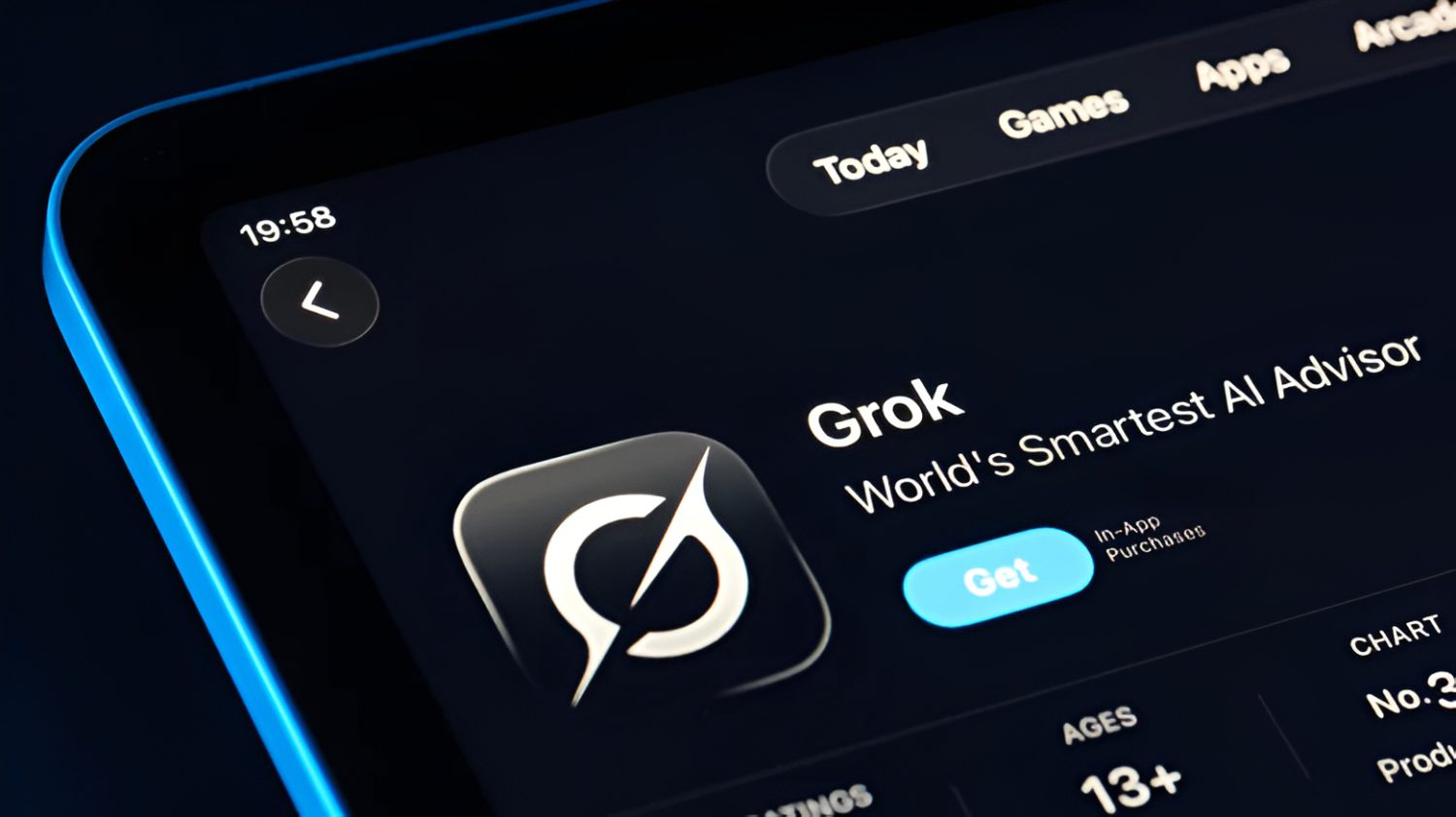
Thursday morning, September 3rd. 6:30AM Pacific. Grok goes dark across X, Android, and iOS. Claude starts throwing errors. ChatGPT users flood Downdetector with complaints. Three of the most-used AI assistants in the world stumbled within the same hour — and only one company publicly tied its outage to a specific cause.
SpaceXAI confirmed its Memphis compute center failed, knocking Grok offline for roughly three and a half hours. The company posted a rare public apology: “We are sorry for the issues you may have experienced with Grok following an outage at our Memphis compute center this morning. We’d also like to apologize to our impacted compute partners.” Elon Musk added that SpaceXAI is “taking corrective action to ensure this does not happen again.” No specifics on what actually broke.
That phrase — “compute partners” — is where it gets interesting. SpaceXAI doesn’t just run Grok. It leases GPU capacity to other AI firms, and Anthropic signed one such deal earlier this year. Think of it like a shared commercial kitchen: when the stove breaks, every chef on that floor goes hungry.
Here’s what the status pages recorded:
- 6:30AM PT — Grok goes offline across all platforms
- 6:30AM PT — Claude reports “elevated errors” across Mythos 5.1, Fable 5.1, Opus 5, Opus 4.8, and Opus 4.6
- 7:30AM PT — ChatGPT error reports surge on Downdetector
- 9:16AM PT — Anthropic marks Claude resolved
- 9:55AM PT — OpenAI declares mitigation complete
Root cause from SpaceXAI: undisclosed. From Anthropic and OpenAI: silence on any external link.
The Unanswered Question Nobody Wants to Ask
No company confirmed a shared root cause — but the identical start times and Anthropic’s compute-leasing deal with SpaceXAI make coincidence a hard sell.
Neither Anthropic nor OpenAI confirmed any connection to the Memphis failure. Neither denied it, either. Only SpaceXAI publicly linked its outage to a specific facility incident; the others acknowledged errors without pointing to Memphis or any shared infrastructure. The timing, though, is difficult to wave away.
This pattern isn’t new. A prior OpenAI outage was attributed to a “downstream infrastructure provider” — same playbook, different names. It’s the AI industry’s version of the 2021 Facebook outage that took down Instagram, WhatsApp, and Messenger simultaneously: centralized infrastructure creates shared vulnerability, and when one node fails, the effects ripple outward faster than any press statement can follow.
When one company leases compute to its competitors, a local failure may cascade across the broader AI landscape you depend on daily. That’s not confirmed here — but it’s also not ruled out.
SpaceXAI says systems are fully restored. Corrective action is reportedly coming. But “corrective action” without a disclosed root cause is a promise with no receipt — and the foundations your AI tools run on are fewer, and more interconnected, than you’d probably like to know.