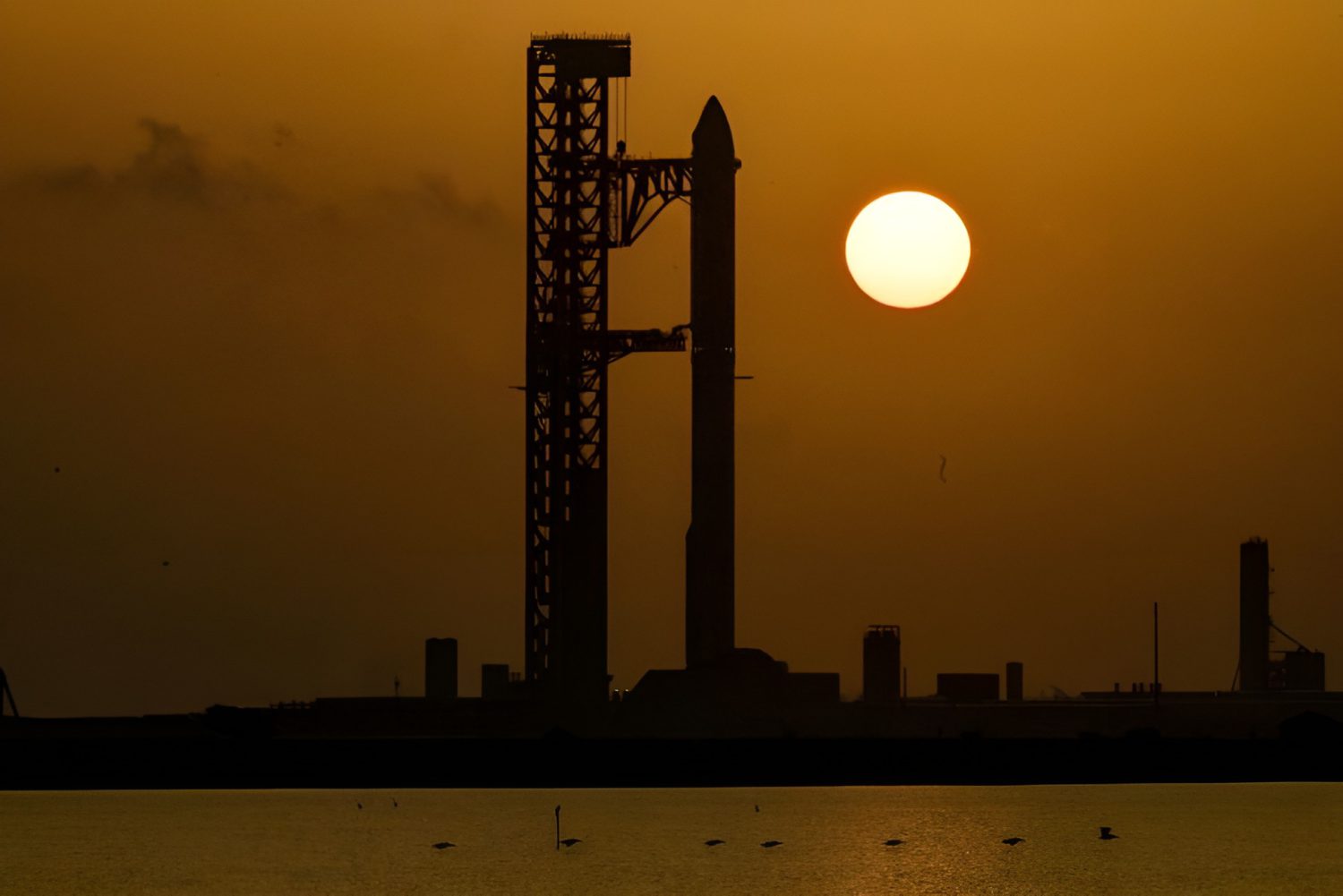
While ExxonMobil spent decades extracting value from Louisiana’s Gulf Coast marshland — and losing a lawsuit over the damage it left behind — SpaceX acquired that same battered terrain and plans to launch rockets from it. On August 25, 2026, in Abbeville, SpaceX and Governor Jeff Landry announced Starbase, Louisiana: the company’s fourth spaceport, its largest by an enormous margin, and a $100 billion investment according to Louisiana Economic Development. The site covers roughly 125,000 to 130,000 acres of coastal marshland near Pecan Island, Vermilion Parish — more than eight times the size of Manhattan, about 45 miles south of Lafayette.
From Oil Country to Orbit
The land ExxonMobil damaged in court is now SpaceX’s launchpad.
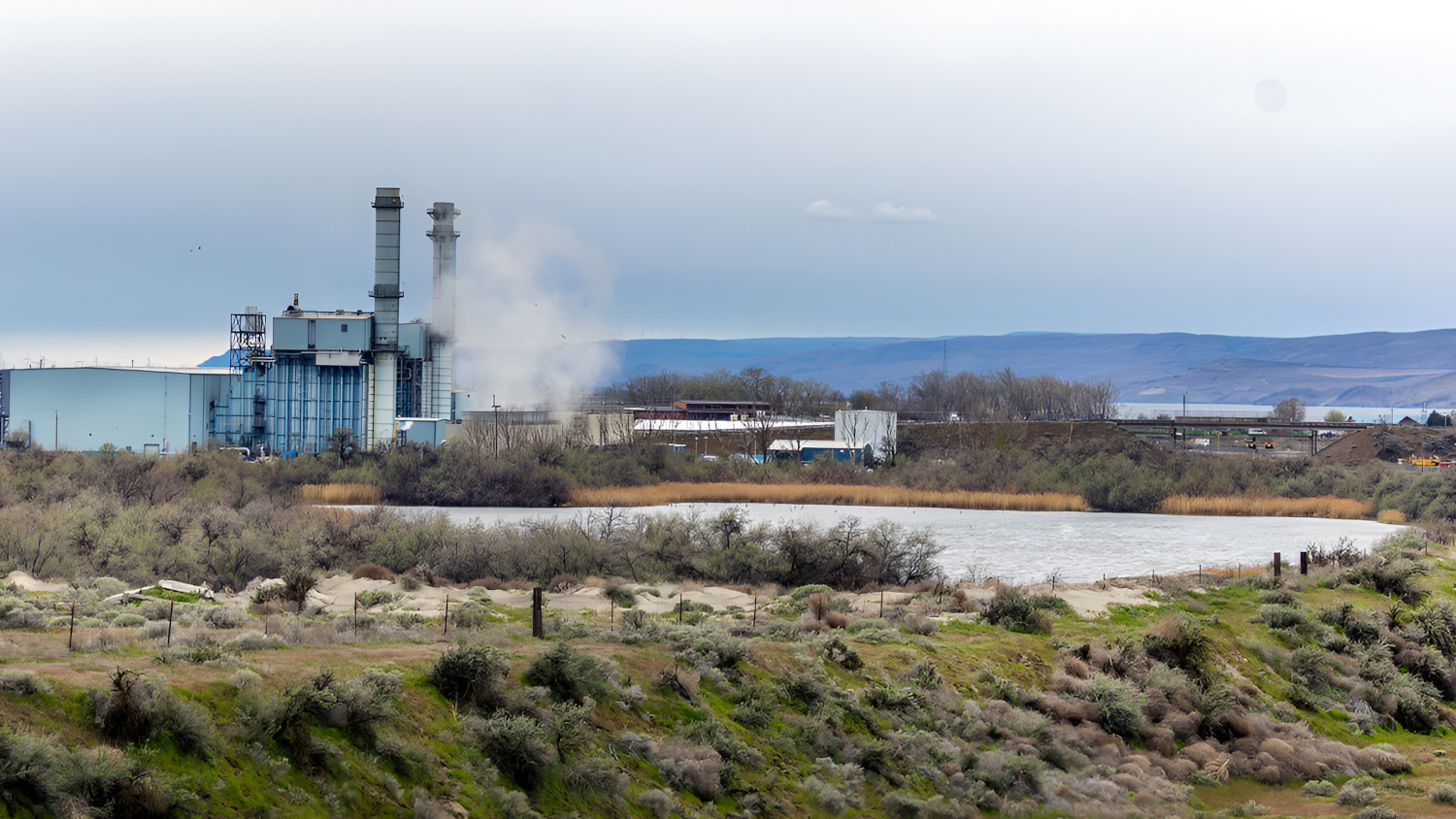
According to WBRZ reporting, Vermilion Parish’s coastal damage lawsuits against ExxonMobil ended in a settlement that cleared the legal path for this land transfer. Louisiana’s legislature also passed aerospace-specific bills beforehand, tailoring its regulatory framework for exactly this kind of project.
Louisiana Economic Development projects:
- 3,000 direct jobs over ten years at an average salary of $92,600 — 192% above the Vermilion Parish average
- 11,100 total jobs for the Acadiana region
- Five planned launch complexes, each with two pads and a propellant farm, anchoring the build-out
Construction is slated for 2027; first launches are targeted for 2029.
Why Here, Specifically
Deep water, natural gas access, and room to build something closer to a company town than a launchpad.
SpaceX’s site selection isn’t random. Deep-water access via the Gulf Intracoastal Waterway lets the company ship hardware without the logistical constraints facing Starbase Texas, which sits on roughly 1,100 acres. The south-facing geography supports varied orbital trajectories. Critically, the site sits close to Henry Hub — the country’s primary natural gas distribution center — giving SpaceX ready access to methane feedstock for Starship’s liquid-methane engines.
SpaceX describes the planned facility as a “self-sustaining spaceport” with:
- Propellant production
- Power generation
- Vehicle processing
- Its own airport
- Residential housing for employees
Think less industrial park, more company town — the Starbase Texas playbook, scaled up dramatically. Gov. Landry called it “a pivotal moment for Louisiana.” FAA launch licensing will be required, though the regulatory pathway isn’t publicly detailed yet.
Not Everyone Is Cheering
Building a mega-spaceport on fragile marshland carries real environmental risks that state promises haven’t fully addressed.
For Vermilion Parish residents, the economic pitch is hard to dismiss. But environmental groups and community advocates quoted in The Guardian characterized the site as “a low-lying slice of land” already battling coastal erosion and storm vulnerability. Layering rocket infrastructure onto fragile marshland raises legitimate questions about habitat impact and industrial risk. State officials point to coastal restoration provisions baked into the deal, though specific details remain sparse in available reporting.
The same vulnerable coastline that held an oil giant accountable in court is now scheduled to host thousands of Starship flights a year — according to SpaceX’s own projections. Whether that registers as justice, irony, or simply Louisiana trading one extraction economy for another depends entirely on what gets built, and what gets protected, between now and 2029.