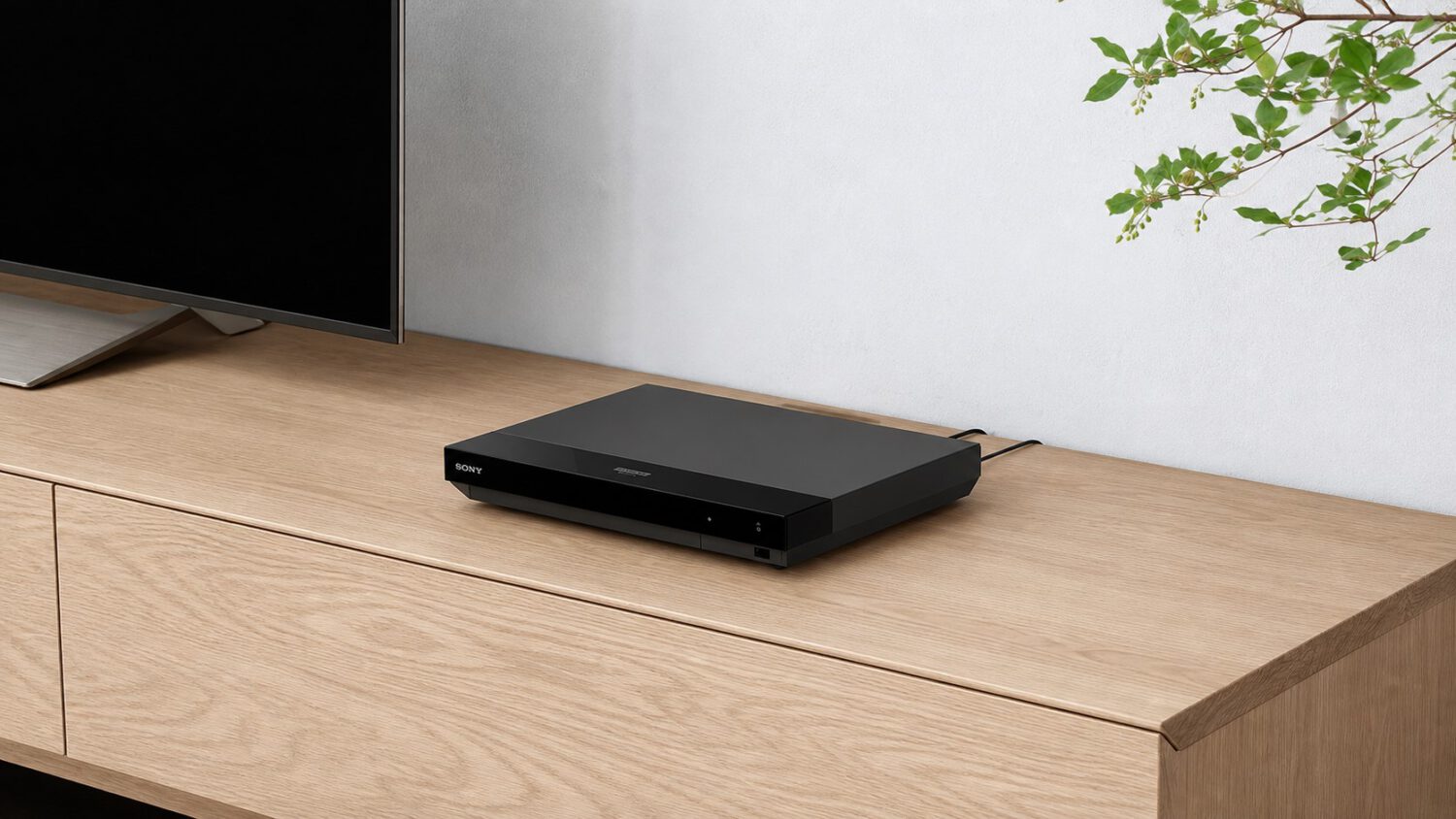
Sony Japan has reportedly ended shipments of the UBP-X700/K, its last standalone Ultra HD Blu-ray player. The unit is now listed as out of stock on Sony’s domestic store with no restock planned, according to Kunkoku, a Sony-focused Japanese blog that also operates as a Sony retailer.
This marks the end of Sony’s dedicated 4K disc player lineup in Japan specifically. A confirmed global withdrawal has not been announced.
What Happened in Japan
A series of quiet exits from Sony Japan’s physical-media lineup has now reached its 4K player.
Released in Japan on May 17, 2025, at approximately ¥58,300, the UBP-X700/K supported Ultra HD Blu-ray, HDR10, Dolby Vision, Dolby Atmos, and DTS:X. Shipments reportedly ceased on October 22, 2026, per Kunkoku’s report, and no successor model had been announced as of that date.
The discontinuation did not arrive without warning. Sony reportedly ended all domestic Blu-ray recorder shipments in February 2026, and the earlier UBP-X800M2 had already been pulled from the Japanese market before the UBP-X700/K followed, according to secondary coverage.
For home-theater buyers in Japan, the PlayStation 5 is now the only Sony product capable of UHD Blu-ray playback, and only on models equipped with an optical drive. The PS5 does not support Dolby Vision for UHD Blu-ray playback, making it an imperfect substitute for a calibrated HDR setup.
Worth noting: Sony is still selling a standard Blu-ray/DVD player, the BDP-S1700/K, in Japan. The retreat is from 4K, not from optical media entirely.
Sony helped create the Blu-ray standard and served as one of its most prominent backers. Stepping back from the format’s highest-resolution hardware tier carries real industry significance, even if the confirmed scope remains Japan-specific.
What This Means for You
Whether this affects your market depends on where you are buying and how quickly remaining stock moves.
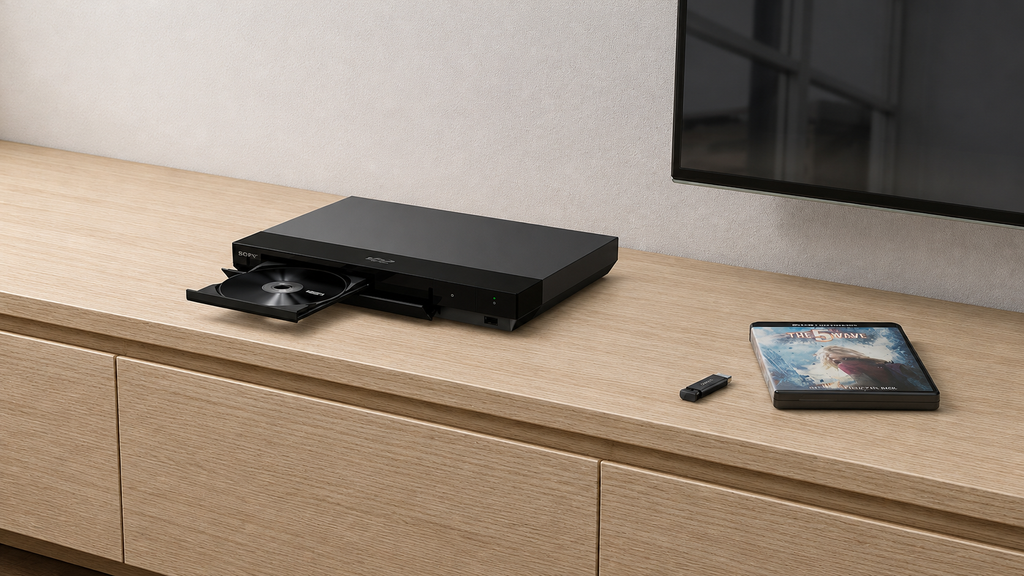
Outside Japan, the situation is less definitive. According to TechRadar, the UBP-X700/K remains listed through some overseas Sony channels and retailers, and a global discontinuation has not been confirmed. Check your local Sony store and retailer inventory before drawing conclusions about your own market.
If you are in Japan and want a new Sony standalone UHD Blu-ray player, remaining retail stock is your only practical option. Sony’s domestic store does not expect another shipment, according to Kunkoku.
Panasonic is currently the principal major Japanese brand still offering dedicated UHD Blu-ray players. Coverage identifies the DP-UB450, DP-UB820, and DP-UB9000 as available models; verify regional specifications and availability independently before purchasing.
According to FlatpanelsHD, other manufacturers are entering the standalone UHD Blu-ray space as well, so buyer options outside Sony are shifting rather than disappearing.
Sony has issued no international statement confirming this goes beyond Japan. Even so, the trajectory of its domestic physical-media hardware portfolio has moved in one direction across multiple product categories over the past year. If you have been considering a dedicated Sony 4K disc player, the window for that option appears to be narrowing, even if the final word has not yet been written.