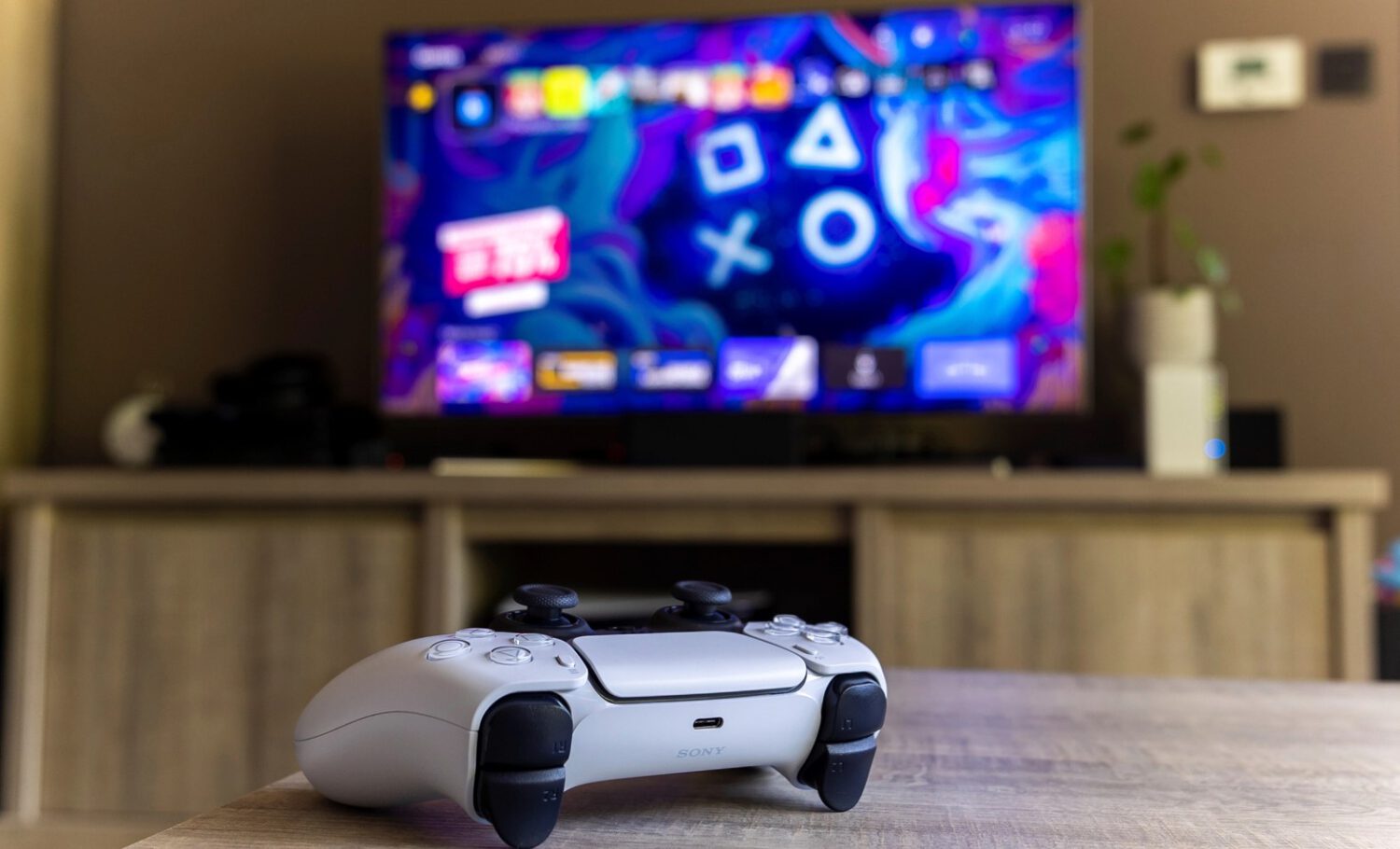
Anyone who has watched a streamer loop through the same boss fight for forty minutes knows the problem. Chat is screaming the answer, but a wall of emotes and donations buries it instantly. A newly published Sony patent proposes a more direct fix. It would place viewer guidance inside the video games view itself, not in a scrolling text box nobody has time to read.
Published in 2025 after being filed in October 2023, the patent titled “Adaptive Screen Share Pointer and Reactions During Gameplay” describes a system letting livestream viewers participate in a session without taking over the controller. Sony has not announced the concept as a confirmed product or confirmed it for any platform.
Guidance From the Chat, Inside the Game
Sony’s filing describes an adaptive on-screen pointer that viewers could control during a stream, appearing directly within the streamer’s gameplay view.
The cursor could change its appearance based on the current game context, according to the patent. Practically, that might mean pointing at a boss’s weak spot, highlighting a hidden item, or marking where an enemy is about to appear, all surfaced in the streamer’s actual view rather than in a chat column they may never glance at.
Reactions, Haptics, and Crowd Triggers
Viewer reactions could produce distinct haptic sensations for the streamer and, under certain conditions, influence the game itself.
The filing describes viewers sending predefined reactions, including emojis, stickers, and sounds. Each reaction type could trigger a different haptic sensation through a controller, VR headset, or connected smartphone.
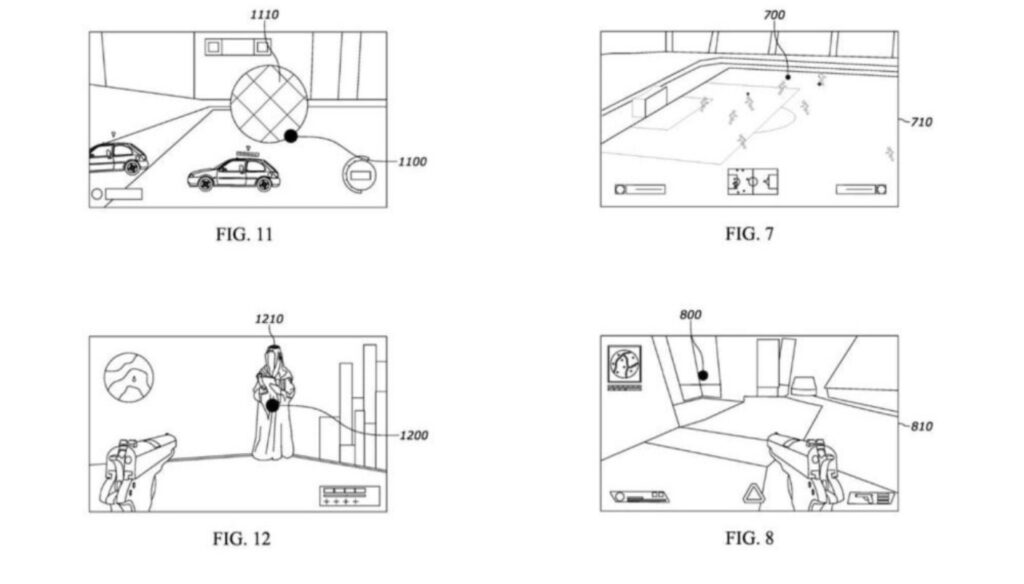
More striking is the crowd mechanic described in the filing. If enough viewers select the same reaction, the system could activate an in-game event or shift the game state, converting audience consensus into a direct gameplay input.
Going Further: Changes to the Game World
The patent’s more ambitious examples include viewers temporarily creating bridges or manipulating objects to help streamers find hidden paths.
That detail moves the concept well past backseat gaming into something closer to limited collaborative play. Sony has not confirmed that any specific game or title would implement these mechanics, and the patent does not commit to a particular release.
Access Controls and Moderation
The system includes permission layers that could restrict or rotate viewer control based on context and participation.
Cursor commands could be disabled during cutscenes, limited to specific gameplay situations, or assigned to a single viewer at a time, according to the filing. The patent also describes a viewer rotation or prioritization mechanism, potentially creating a queue for active participants.
Those controls would carry real weight in practice. Without them, coordinated audience actions, spoilers, or deliberate harassment could undermine a streamer’s session entirely.
Industry Context
Sony’s viewer concept fits a broader patent trend toward keeping gameplay assistance inside the game rather than routing players to external guides.
Sony has separately patented an AI-generated ghost player designed to guide users through difficult sections, customized to a player’s current session and mode. Microsoft, as reported by Video Games Chronicle, has filed its own patent for cloud-based help sessions that would allow a human or AI helper to send inputs directly during a challenging segment.
Sony’s viewer patent differs on one key point. The streamer generally remains the active character controller, with the audience offering guidance and limited environmental assistance rather than direct input.
If Sony moves the concept into production, the practical boundary between watching a stream and participating in one could narrow in ways neither streamers nor their audiences have encountered before. Patents describe possibilities, not promises, and no release timeline or platform commitment has been confirmed.