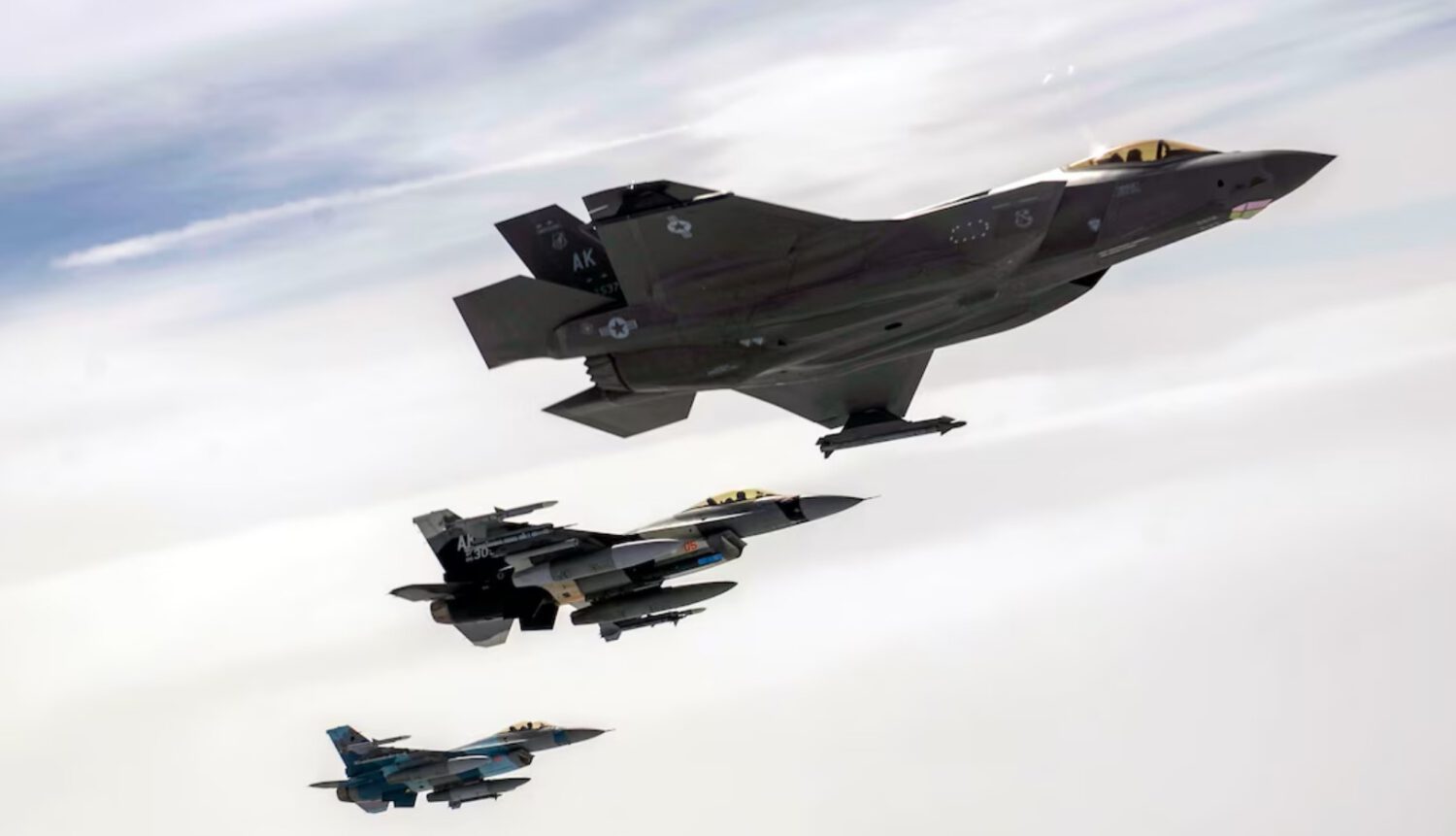
A scheduling fix meant to recover lost transit time may have delivered physical components from one of the most advanced stealth fighters ever built directly into Chinese custody. That is the core of a Bloomberg report published October 7, 2026, based on a person briefed on the incident who was not authorized to speak publicly.
The available reporting describes the case as a logistics and export-control failure, not a confirmed espionage operation. That framing is precisely what makes it matter: a routine commercial shipping decision, compounded by a missed warning, reportedly produced a serious national-security consequence.
One Missed Email, One Rerouted Flight
A single unread warning email and one rerouting decision are at the center of how sensitive F-35 components allegedly ended up in Chinese custody.
The shipment originated with the Royal Australian Air Force and contained a cockpit canopy and a weapons-bay door from an F-35A Lightning II, both coated with radar-absorbing material. The parts were headed from Australia to San Francisco for inspection, possible repair, or disposal, routed through South Korea and Taiwan.
The shipment left Australia late. A UPS employee reportedly rerouted it through Hong Kong to accelerate delivery.
That employee reportedly never saw a warning email from freight forwarder DSV, acting on behalf of Lockheed Martin. The message flagged the parts as subject to U.S. International Traffic in Arms Regulations (ITAR).
According to Bloomberg’s source, that warning appears to have arrived in a different UPS information system from the one the employee was actively monitoring. The supply chains protecting allied military hardware are only as strong as the compliance processes inside the commercial firms handling the shipments, and this case illustrates exactly where that chain broke. These infrastructure vulnerabilities in commercial logistics networks mirror those exploited in other high-profile national-security incidents.
Chinese authorities reportedly took possession of the components after they transited Hong Kong, according to Bloomberg’s reporting and follow-up coverage through October 9, 2026.
What China Actually Got, and What Remains Unknown
The reported components are physical aircraft parts, and available reporting does not establish that classified software or complete stealth design files were included in the shipment.
The reported items are a canopy and a weapons-bay door treated with radar-absorbing material. Available reporting does not establish that the shipment contained F-35 source code, mission systems, classified software, or a complete stealth design specification. Physical components may themselves contain sensitive technical information, making them potentially as valuable as advanced military hardware schematics, so characterizing them as containing nothing of intelligence value goes further than the evidence supports.
What technical insight, if any, could be extracted from physical possession of those parts remains unclear and has not been addressed publicly.
Chinese officials said publicly they were unaware of the missing components. That reported position conflicts with accounts that Chinese authorities took custody of the shipment in Hong Kong. These remain conflicting claims, not a resolved public record.
Investigations Open, Parts Unaccounted For
As of early October 2026, U.S. government investigations were ongoing and no confirmed official findings had been released publicly.
The Pentagon and State Department are investigating, according to reporting. The F-35 Joint Program Office said it is working with U.S. authorities and industry partners to recover the components and introduce safeguards against recurrence. A trade-publication report said UPS reported the matter to the State Department’s Directorate of Defense Trade Controls, though that detail has not been independently confirmed by a primary source in the available reporting.
Several central questions remain open as of October 2026: whether the parts are recovered, whether the State Department formally cites an ITAR violation, and whether investigators can determine what, if anything, was learned from physical access to the components. Sensitive stealth aircraft hardware reportedly moved through a transit point restricted under ITAR, according to the reported warning, because that warning never reached the person who needed to see it.