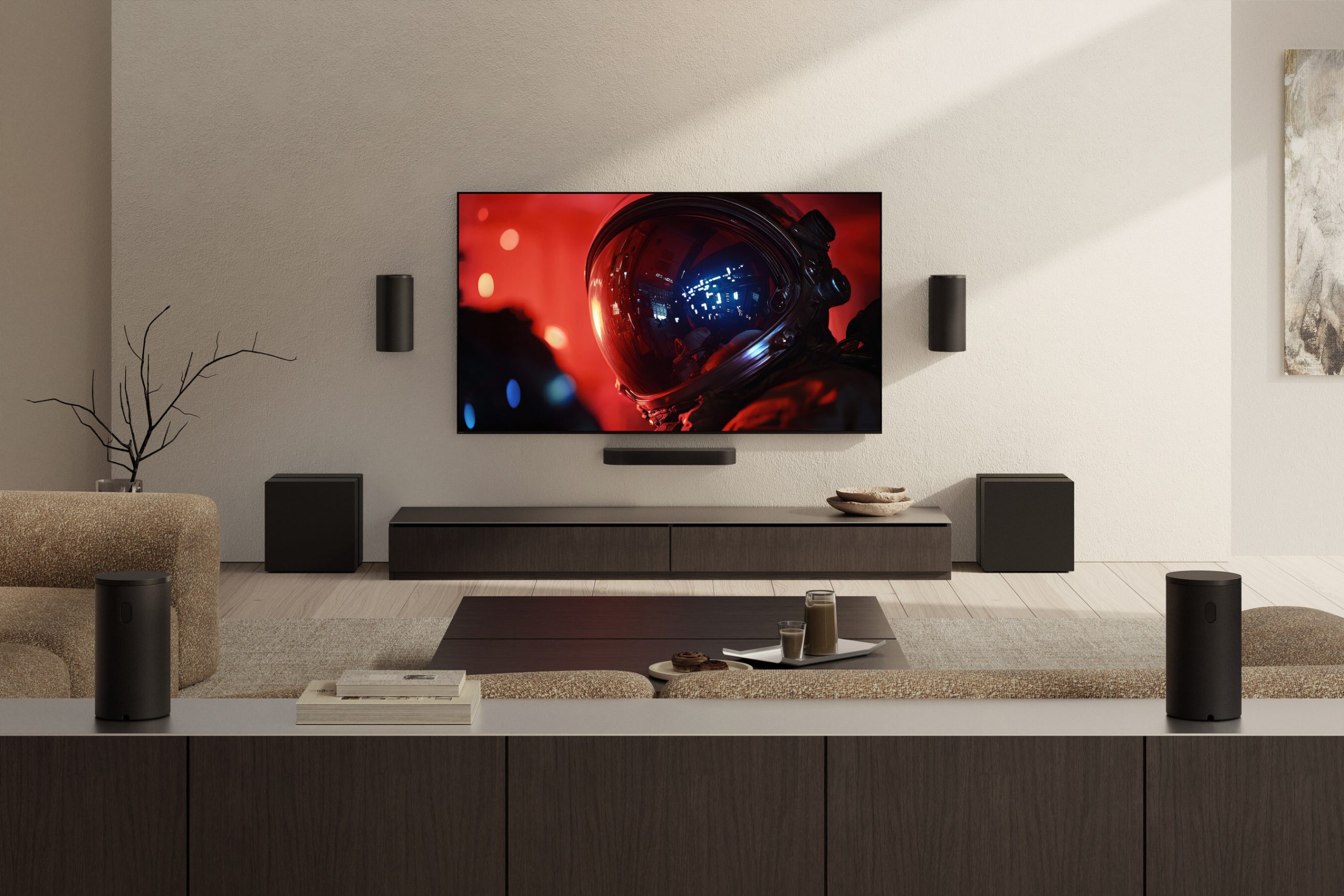
While traditional Mini LED TVs struggle with color accuracy at peak brightness, Sony’s new True RGB Bravia lineup delivers independently controlled red, green, and blue LEDs in each backlight zone. This isn’t just another incremental upgrade—it’s positioned as a premium alternative that promises OLED-level viewing angles with Mini LED’s superior brightness capabilities.
True RGB: The Tech That Changes Everything
Sony replaces conventional white LED backlights with separate RGB diodes for purer color reproduction.
Instead of filtering white or blue LEDs through color layers, True RGB generates primary colors directly at the backlight level. Sony’s RGB Backlight Master Drive Pro manages thousands of individual diodes, creating what early demo reports describe as dramatically wider viewing angles and reduced blooming around bright objects.
Think of it like upgrading from compressed streaming to 4K Blu-ray—the same content, but with significantly more color information reaching your eyes.
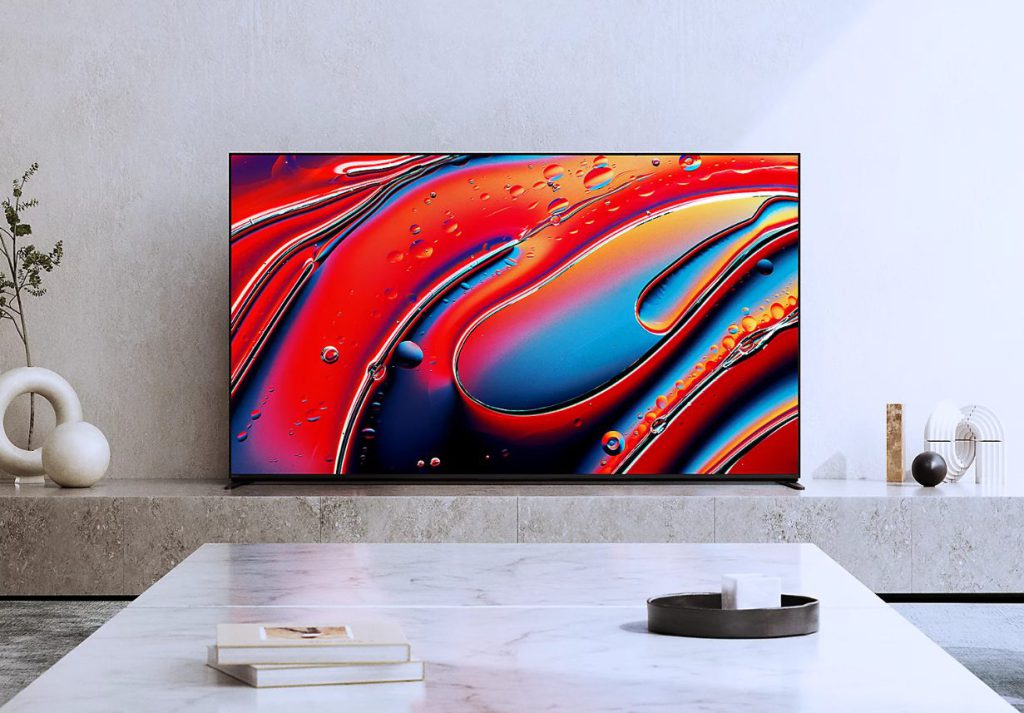
Two Models, Different Budgets
The Bravia 9 II targets flagship performance while the 7 II brings RGB tech to more buyers.
Sony’s spring 2026 lineup splits into distinct tiers. The Bravia 9 II commands flagship pricing from $3,600 (65-inch) to an eye-watering $31,000 (115-inch), targeting peak brightness exceeding 4,000 nits with premium features like Immersive Black Screen Pro coating.
The Bravia 7 II democratizes True RGB starting at $1,600 (50-inch) up to $9,000 (98-inch), offering the same core backlight technology with fewer zones and slightly lower brightness targets. Pre-orders are live now, though detailed specifications remain under wraps.
Real-World Impact Beyond The Specs
Enhanced HDR performance and viewing flexibility could reshape your living room setup.
Early hands-on reports highlight practical advantages you’ll actually notice:
- Bright room performance improves dramatically—no more closing curtains for HDR movie nights
- Off-axis viewing reportedly maintains color accuracy even from sharp angles, solving the perennial LCD weakness that forces everyone to crowd the center seat
- Voice Zoom 3 AI processing tackles dialogue clarity in action sequences
- Calibrated modes for Netflix, Prime Video, and Sony Pictures Core eliminate the guesswork in picture settings
Sony’s betting True RGB can deliver OLED-quality viewing experiences at sizes OLED can’t match affordably. Whether that ambitious claim holds up to independent testing will determine if 2026 becomes the year LCD technology finally catches up to its organic competition.