Premium Japanese TV manufacturing just surrendered to Chinese efficiency, and future Bravia purchases will reflect this seismic change.
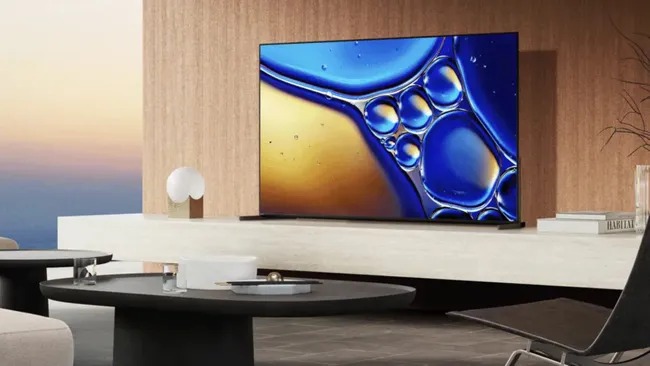
Sony signed over majority control of its legendary TV business to TCL in a joint venture that officially launches April 2027. While Sony keeps the Bravia name and maintains 49% ownership, TCL’s 51% stake means the Chinese display giant now calls the shots on everything from manufacturing to global distribution.
The Math That Explains Everything
TCL’s majority control transforms how future Bravia TVs get built and priced.
The January 20th memorandum spells out the new reality: TCL gains operational control while Sony contributes its brand equity and processing expertise. “This partnership will create new customer value in the home entertainment field,” Sony CEO Kimio Maki stated, but the subtext screams louder—razor-thin TV margins forced Japan’s premium brand to partner with a cost-efficient Chinese manufacturer.
TCL Chairperson DU Juan framed it as combining strengths to “achieve greater scale and optimize the supply chain.” Translation: cheaper production costs meet premium branding, potentially delivering more affordable Bravia models starting in 2027.
What Changes Under TCL Leadership
Future Bravia models might prioritize Mini-LED over OLED as TCL’s tech philosophy takes charge.
Sony’s OLED obsession could shift toward TCL’s Mini-LED expertise, where the Chinese company dominates manufacturing efficiency. The Bravia name survives, but expect hybrid technology reflecting TCL’s cost-conscious approach rather than Sony’s premium-at-any-price mentality.
This mirrors what happened to Toshiba and Hitachi—both Japanese giants that completely exited TV manufacturing rather than compete with vertically-integrated Chinese rivals. Sony chose partnership over surrender, but the result feels similar.
Industry Reckoning Arrives
Japanese TV manufacturing joins industries where China’s scale advantages proved insurmountable.
Final agreements target March 2026 completion, pending regulatory approval. For consumers, this creates an interesting timing dilemma: current Bravia models represent the last purely Sony-engineered TVs, while 2027+ models promise TCL efficiency at Sony prices.
The partnership signals that even premium brands can’t ignore manufacturing economics forever. The next big-screen upgrade sits at the intersection of Japanese design heritage and Chinese production reality—a combination that could deliver better value or dilute what made Bravia special in the first place.