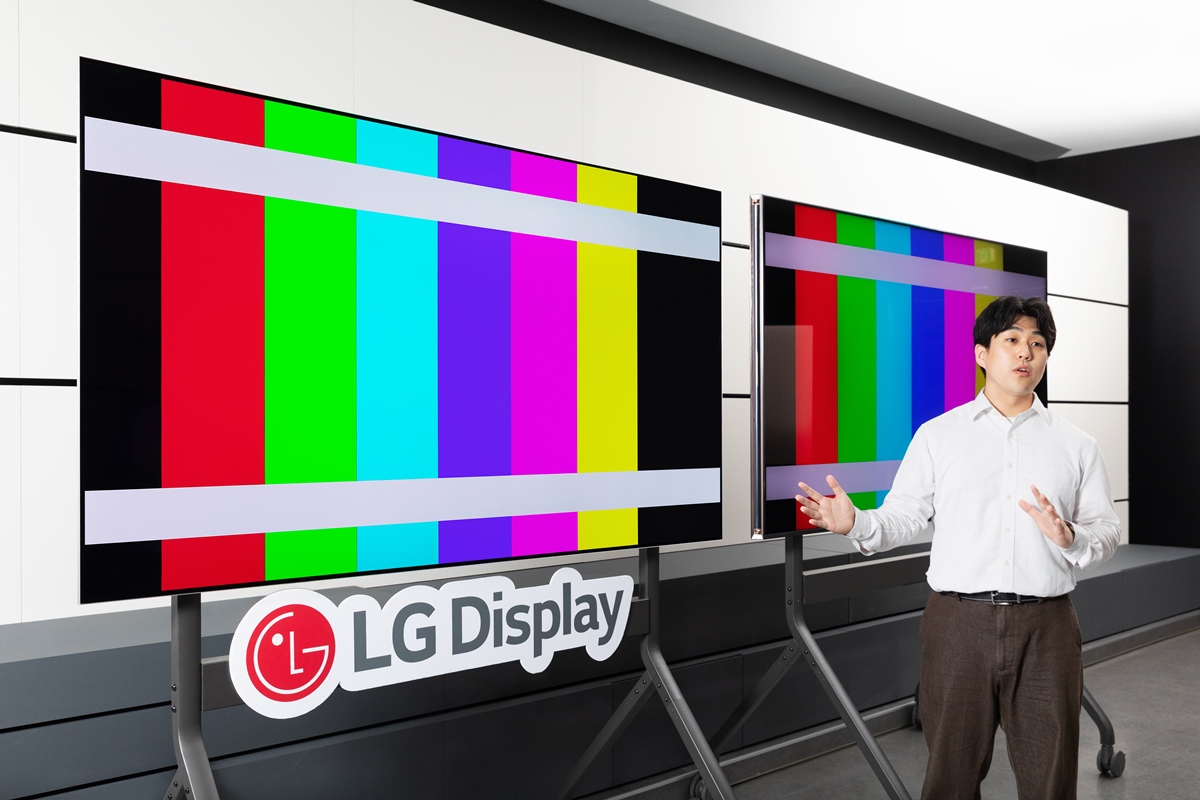
“100% color accuracy” and “100% brightness accuracy” sound like marketing fever dreams. But UK-based testing and certification firm Intertek just handed those scores to LG Display’s entire large OLED panel lineup — TVs and monitors — under a brand-new program that measures something spec sheets never bothered with: how accurately your screen reproduces what creators intended while your living room lights are actually on. Traditional metrics like peak nits and color gamut percentages tell you what a panel can do in a dark lab. This cert asks what it does on a Tuesday evening with a lamp running at 500 lux, a question also explored through breakthroughs in OLED display technology.
What “Perfect” Actually Means in Practice
Three metrics tested under real-world lighting reveal where LCD backlighting falls apart.
You know that faint halo around a bright subtitle on a dark background? That’s exactly the kind of artifact this certification is designed to catch. Intertek measured three things:
- Color accuracy across varying pattern sizes
- Brightness consistency as bright areas expand and contract
- Freedom from color crosstalk — pixel-level bleed where adjacent bright and dark regions distort each other
Think of it like a Dolby Atmos badge for picture fidelity: a third-party stamp verifying specific, repeatable performance rather than vibes.
OLED passes because each pixel generates its own light. No backlight, no zones, no compromise. LCD panels rely on zone-based dimming — like trying to spotlight one actor using a handful of floodlights. Intertek’s testing reportedly showed LCDs failed to reach “perfect” thresholds, though detailed LCD scores weren’t publicly disclosed. That gap in transparency is worth flagging.

A Certification Built to Win – But Worth Watching
LG is the first and only brand certified so far, which raises fair questions about the framework’s independence.
Here’s the thing: Intertek created this certification program, and LG is currently its sole graduate. That’s not inherently suspicious — someone has to go first, and the cert is voluntary and market-driven. “LG Display’s OLED has now been objectively proven to deliver the most accurate color and brightness even in everyday viewing environments,” said Hyeon-woo Lee, head of LG Display’s large display business unit, according to the company’s press release. Independent analyst commentary was not available at time of publication. If competing panel makers pursue similar testing, it validates the framework. If they don’t, that silence speaks volumes.
For anyone weighing a high-end OLED against mini-LED or QLED, this offers a concrete, third-party data point beyond manufacturer claims. LG has signaled plans to feature the Intertek mark prominently in consumer materials, so expect it on retail packaging soon.
If display competition shifts from peak brightness arms races toward verified real-world fidelity, that’s genuinely better for everyone holding a remote. Your screen should show you what the director saw. Now there’s at least one test making that claim harder to fake.