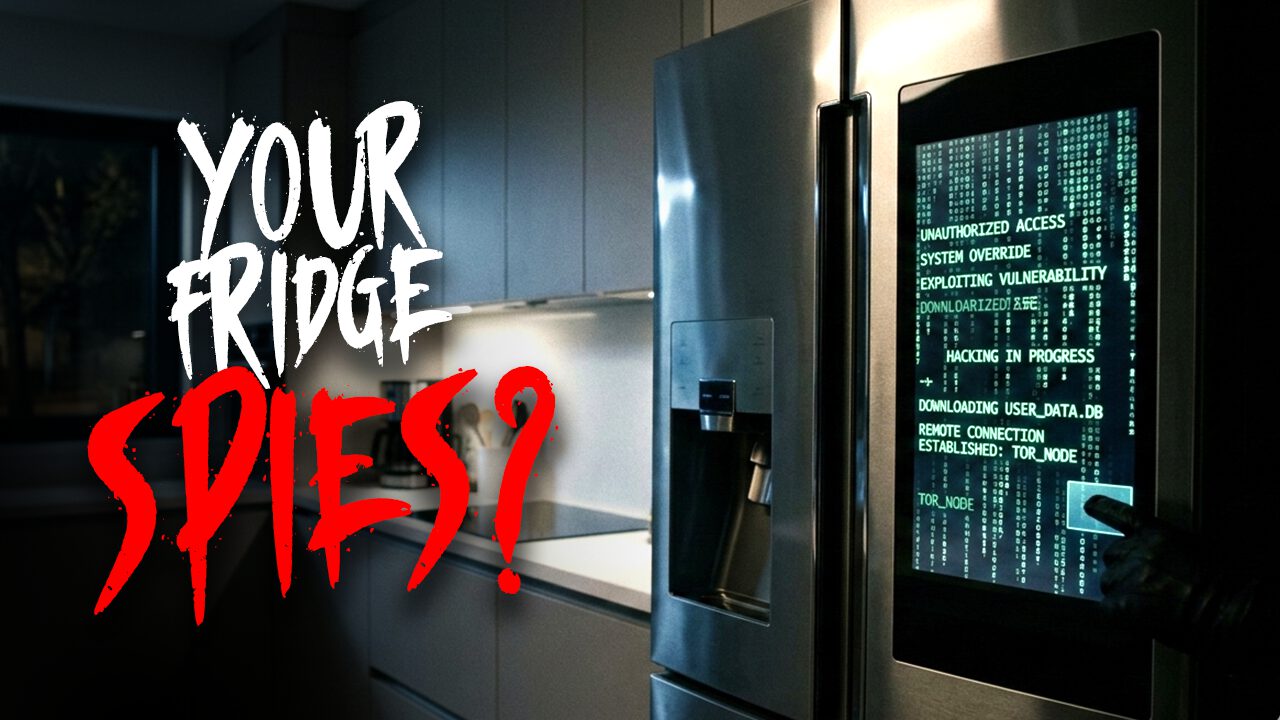
The average smart home faces 29 cyber attacks per day, and if that doesn’t make you question your connected lifestyle, what will? By 2026, securing your digital domain isn’t just about protecting data—it’s about safeguarding everything from smart fridges to mood lighting. This guide cuts through tech nonsense to spotlight security essentials that deliver real protection. These solutions laugh in the face of hackers instead of just looking sleek on shelves.
6. IoT Device Security

Your connected appliances need digital bodyguards, not just Wi-Fi passwords.
Ever wonder why your fridge suddenly sends spam? Streaming devices and TVs account for nearly half of all entry points, making your entertainment center a hacker’s favorite playground. That binge-watching habit might be funding cybercriminals in twisted ways.
The solution involves treating IoT devices like suspicious dating app matches: verify, update, and don’t hand over access easily. Because the biggest threat to your diet in 2026 might be a compromised smart fridge ordering $500 worth of pizza without permission.
5. Firmware Updates

Think of these as kale smoothies for your gadgets—nobody gets excited, but they’re essential.
Over 30,000 vulnerabilities were exposed last year alone, creating a buffet for hackers targeting smart appliances. Firmware updates patch security holes that prevent digital disasters like your smart oven joining a cryptocurrency mining botnet during dinner prep.
Ignoring update notifications essentially leaves your data’s front door unlocked. Security experts recommend enabling automatic updates unless digital Russian roulette sounds appealing.
4. Network Segmentation

Give your smart plant pot VIP treatment, away from sensitive business data.
High port scanning attacks probe for weaknesses across connected devices. Segmenting networks isolates IoT gadgets on guest connections, preventing hackers from using smart fridges to access corporate systems.
This approach stops cybercriminals from pivoting between devices. Anyone who’s experienced thermostat ransomware understands why isolation matters more than convenience.
3. Multi-Factor Authentication (MFA)

Digital protection that works even when your password is embarrassingly predictable.
MFA adds crucial security layers beyond passwords. Even if credentials are “password123,” hackers need secondary verification like phone codes or fingerprint scans. This challenge-response system makes targeting your devices significantly harder.
Weak passwords become less catastrophic when paired with something you have or something you are. It’s not bulletproof, but creates better defense than relying solely on birthday-based passwords.
2. AI-Driven Malware Detection

Teaching digital hawks to spot cyber threats before they spread.
AI systems learn malware behavior patterns, catching zero-day exploits that traditional antivirus misses completely. These solutions monitor IoT networks for suspicious deviations, quarantining threats before they spread like digital rumors.
Picture hospitals depending on connected medical devices—AI prevents coffee makers from compromising MRI machines. Since attacks are inevitable, intelligent detection represents the only viable defense strategy.
1. Smart Kitchen Appliance Security

Protecting your digital diet from more than just frozen pizza disasters.
Kitchen IoT devices expose health habits and create attack vectors for broader network breaches. Unpatched gadgets act as digital welcome mats, with smart fridges potentially broadcasting dietary secrets to anyone listening.
Combat these kitchen nightmares by segmenting IoT devices onto guest networks and replacing default passwords. Multi-factor authentication isn’t just for banking—your blender deserves protection too.