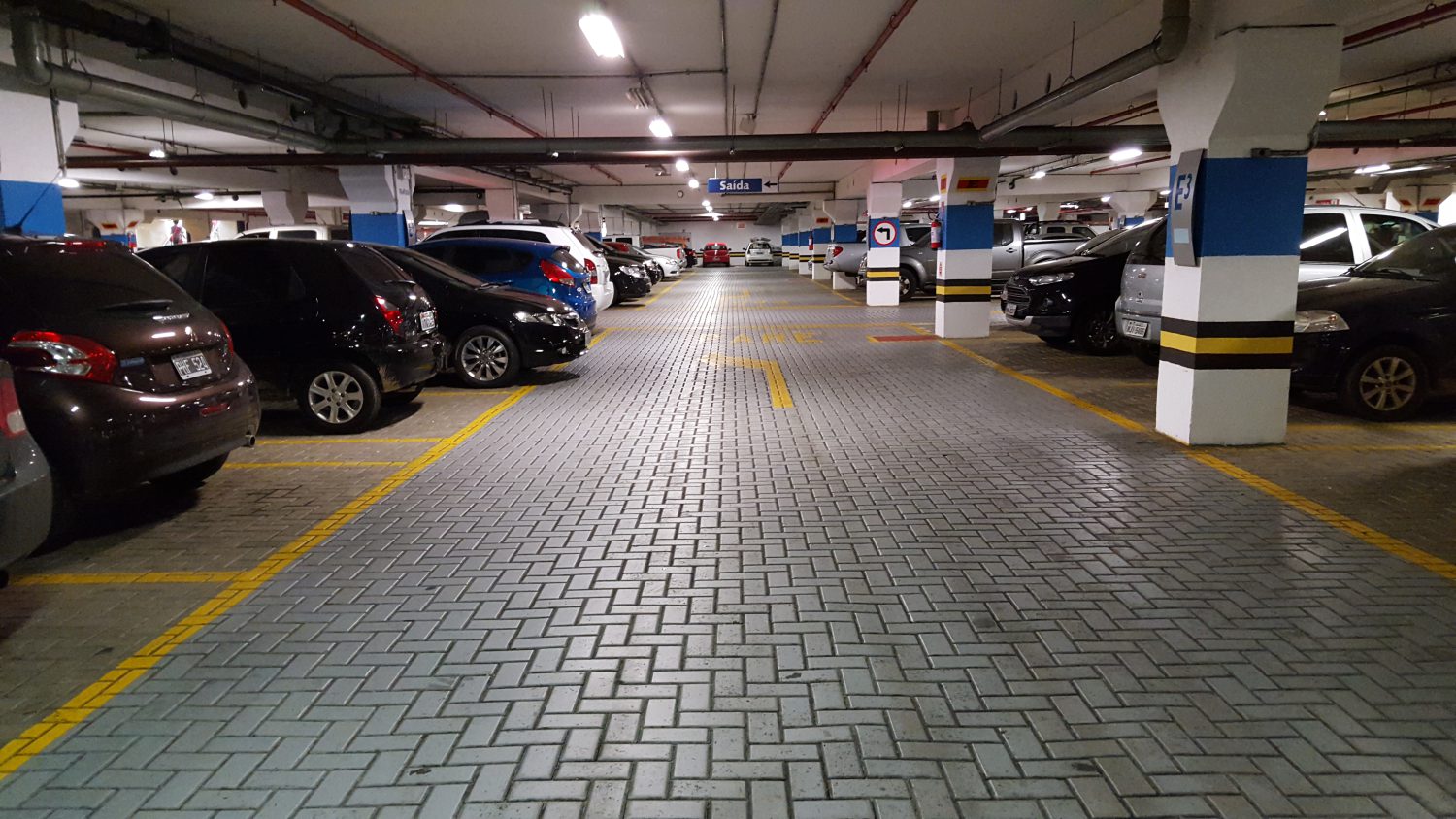
Your friend is coming over for dinner. Before they walk through your door, they scan a QR code on a sign, enter their plate number, pick a time window, and pay. That’s not a paying too much for a parking garage downtown issue. That’s your apartment complex.
Paid guest parking isn’t a universal policy — there is no single national rule driving this — but digital payment infrastructure is making what was once informal enforcement into something visible, transactional, and expanding. Parking-management vendors and multifamily housing operators are driving adoption. The logic behind it is older than you think.
The Unbundling of Everything
Parking was once quietly folded into rent; now it’s a line item, and your guests are the newest entry.
Where rent once implicitly covered parking, property managers now separate costs that used to be invisible. Industry vendors describe unbundled parking and digital guest-registration systems as both revenue tools and demand-management strategies. The hybrid model showing up across multifamily housing guides: short visits stay free, extended or overnight stays get charged. It’s the same logic that turned your cable bill into six streaming subscriptions — except now it affects whoever shows up to watch them with you.
The mechanics are straightforward:
- A guest scans a sign, enters a plate number, selects a duration, and pays hourly or daily before parking.
- Some complexes require intercoms and remote gate openers for gated access, per Los Angeles city ordinance.
- The friction is real: your visitor handles a payment transaction before they’ve knocked on your door.
What It Actually Costs You
In Los Angeles, guest parking permits already sell for $1.00 to $2.50 — the QR-code version simply removes the city as middleman.
Los Angeles city programs sell guest preferential permits for $2.50 and overnight guest permits for $1.00. LA County separately requires one guest space per four units for buildings with 10 or more units. A revised county planning proposal lowers that minimum to one per ten units for developments with 11 or more units — suggesting even the baseline access rules remain unsettled.
Renters navigating dense urban markets know parking scarcity is real. That scarcity is exactly what these systems are built to manage — or exploit, depending on who you ask. Property managers argue, not without basis, that digital registration stops residents from quietly claiming guest spots for personal extra vehicles. Wayleadr and CommunityBoss both frame it as keeping guest spaces available for actual visitors.
The burden still lands on your visitor, though. Not on the resident gaming the system.
The Bill Keeps Growing
What was once included is now itemized, and guest parking fees are just the latest line.
Anecdotal reports in renter communities describe growing frustration with hourly charges appearing at properties where guest parking was previously free. Treat those as signals, not statistics.
The broader trend is unbundling: amenities that were once absorbed into rent are now priced separately. Guest parking fees are just the latest entry on that list. The question worth asking is where the itemization stops.