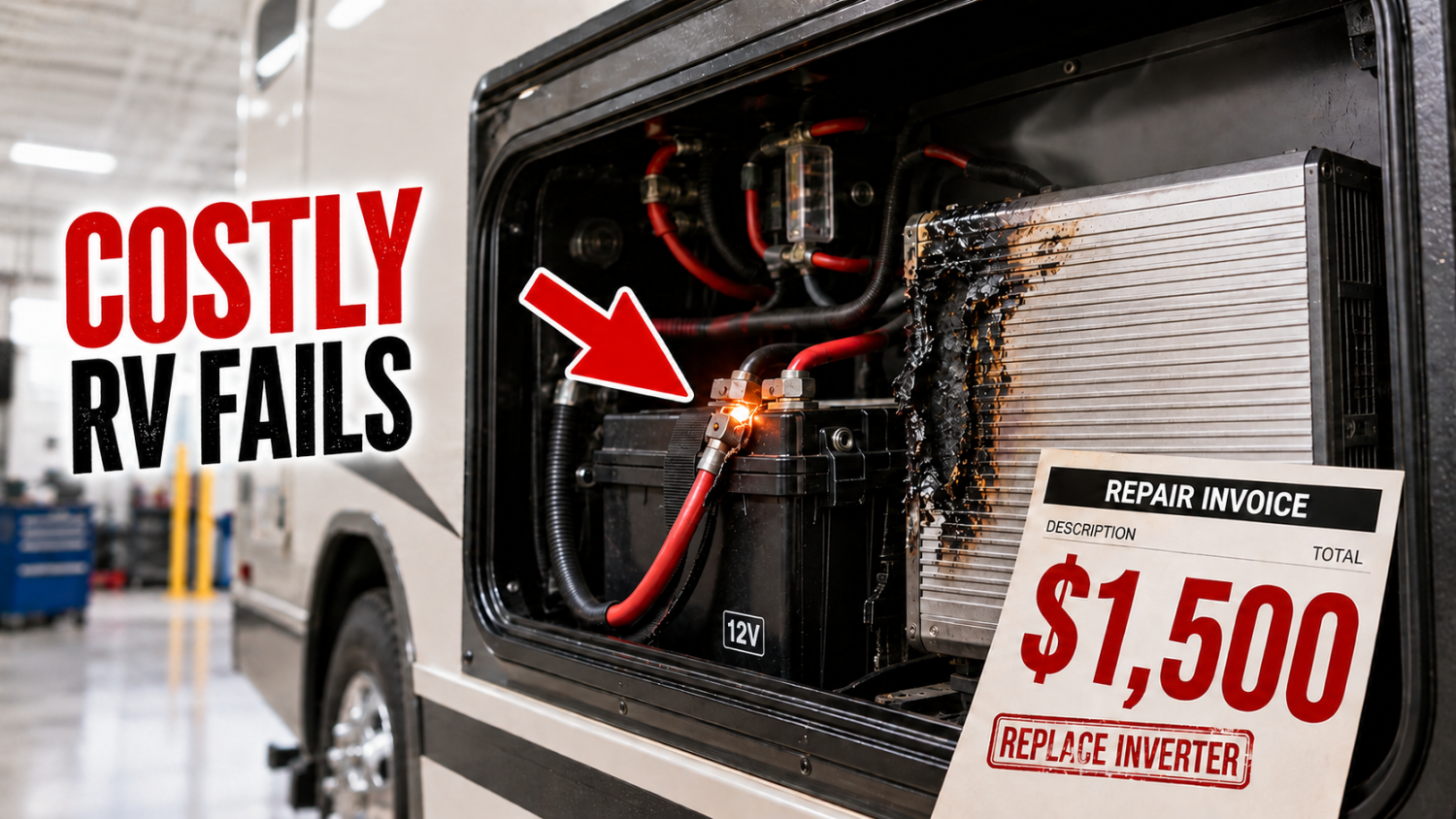
Full-timers report unexpected financial drains, with some overlooking seemingly minor details that escalate into major costs. Small oversights compound fast when hundreds of pounds of gear and thousands of dollars in systems are constantly on the move. From loose electrical connections to rushed departures, these hidden pitfalls turn dream road trips into expensive lessons. This guide reveals the silent mistakes quietly draining wallets and offers practical prevention strategies that protect both rigs and budgets.
10. Loose electrical connections
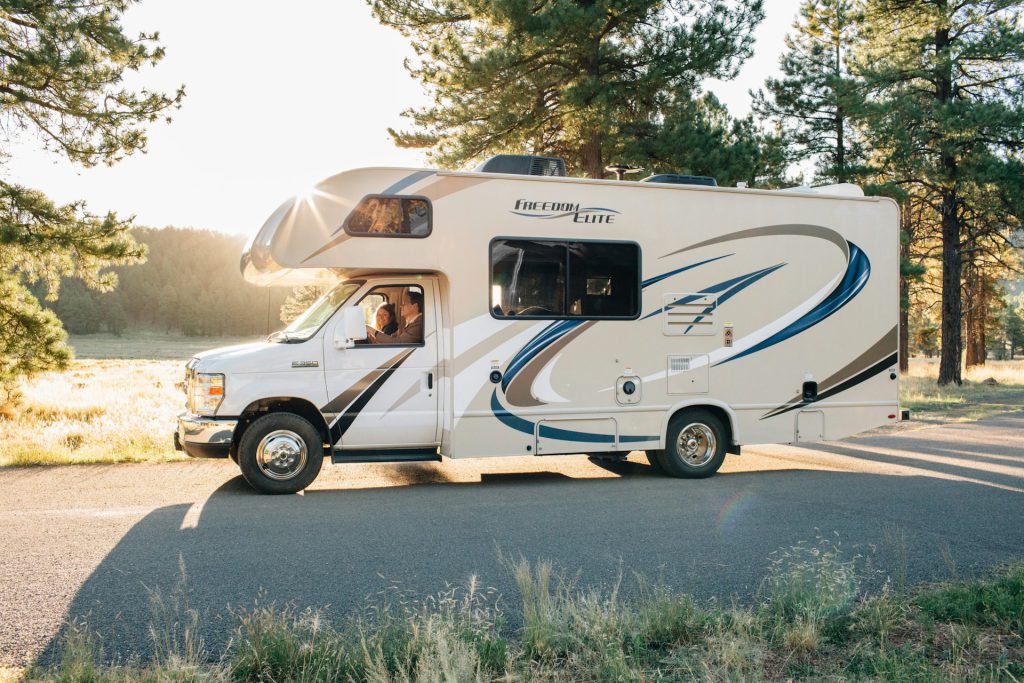
An uninspected terminal can escalate into catastrophic system failure.
A loose connection acts as a tiny, invisible saboteur, quietly building heat until critical components collapse. This oversight recently fried the DC side of an inverter and damaged a 12V refrigerator’s control boards and compressor board. The outcome: two weeks without refrigeration and an estimated $1,500 replacement cost for the inverter.
This unexpected tech meltdown is entirely avoidable. A routine inspection — tightening every electrical connection in the rig — prevents such issues. Full-timers especially should make regular checks a non-negotiable part of maintenance. Inverters, converters, batteries, and appliances all depend on secure terminals; catching a loose bolt early beats replacing an entire system.
9. Not understanding your RV tanks
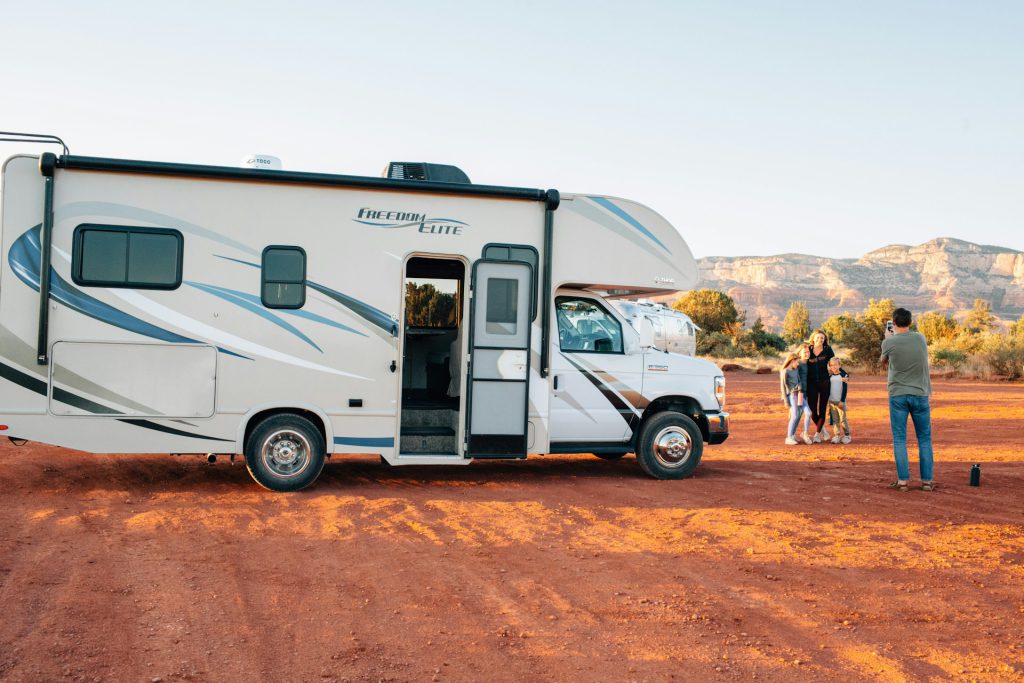
Manual pull/push tank valves are surprisingly delicate instruments.
Treating them carelessly teaches their sensitivities quickly. A single misaligned tug can bend the rod, rendering the valve useless. These mishaps often necessitate two mobile tech repairs, a costly lesson in finesse. Understanding black and gray water systems before problems arise prevents expensive breakdowns.
Misusing the black tank flush can escalate into an RV nightmare. Attempting to clean a tank without knowing its layout can lead to water cascading from the toilet, flooding the back of the rig. Consulting forums or campground staff before first use saves time, money, and sanitation headaches. Tank management is not a system to learn by disaster.
8. Using tank treatment products like Liquified
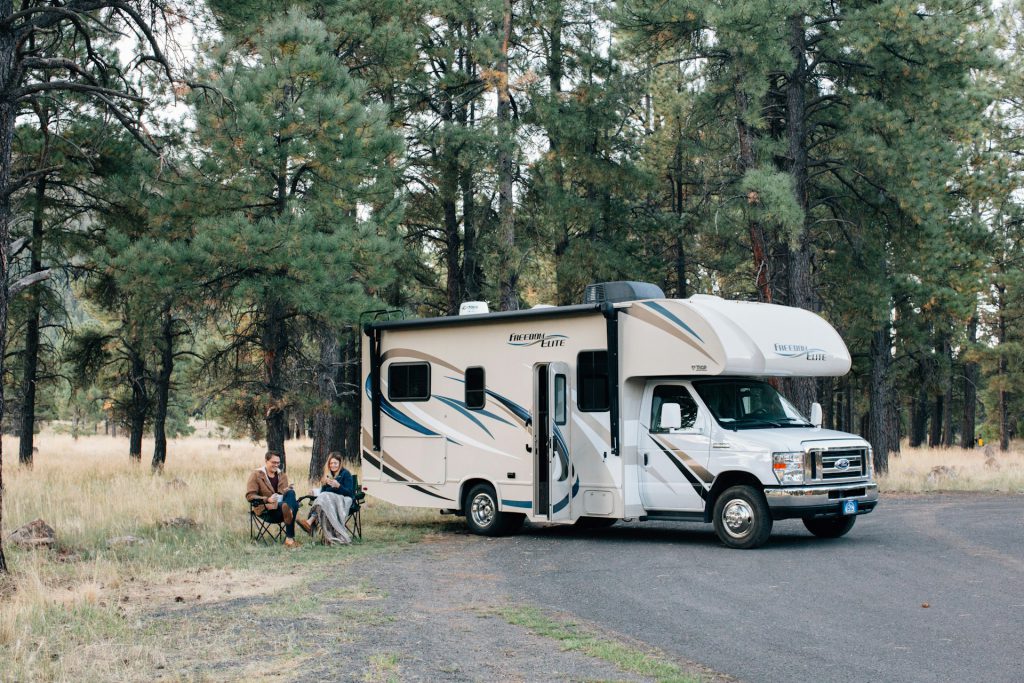
Effective tank treatments do more than mask odors; they actively break down waste.
This enzyme-based approach, like services such as Liquified, prevents stubborn buildup on tank walls and those dreaded “poo pyramids” that plague many RVers. A squeeze dispenser ensures correct dosage every time, eliminating DIY guesswork. This precise application makes treatments last longer.
These products are readily available at major retailers such as Walmart, Meijer, and Camping World, plus some KOA campgrounds and online. New customers can often receive 20% off initial purchases. Beyond black tank solutions, the brand offers a broader line, including specialized gray tank treatments and exterior cleaners, making comprehensive RV care surprisingly straightforward.
7. Rushing travel day and skipping the checklist
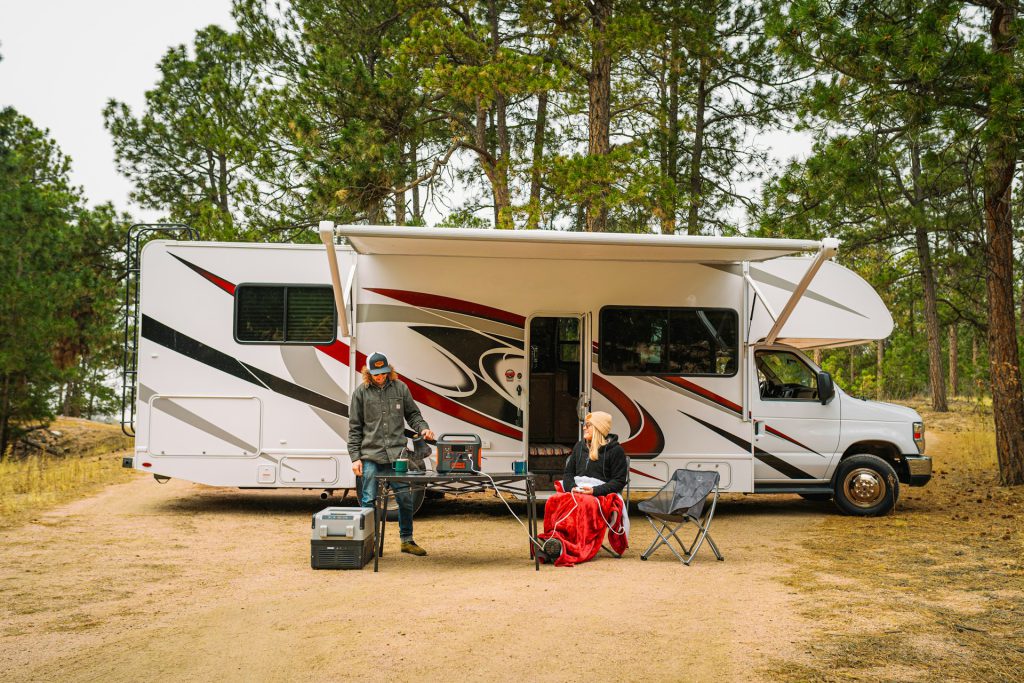
Skipping a pre-travel checklist can turn departure into chaos.
Forgetting to secure refrigerator rods leads to shattered spaghetti sauce across the fridge. An ajar interior door might meet an extending slide-out, resulting in a split door frame. These minor oversights quickly accumulate into significant, expensive repairs.
Skipping the pre-departure sweep also costs valuable gear. One full-timer learned this by leaving a 50-amp power cable worth hundreds of dollars at a campground. That mistake forced a 20–25 minute detour and a full re-hitch, turning a smooth departure into a frustrating time drain. A consistent routine ensures all expensive items are accounted for before wheels roll.
6. Taking your RV places it does not belong
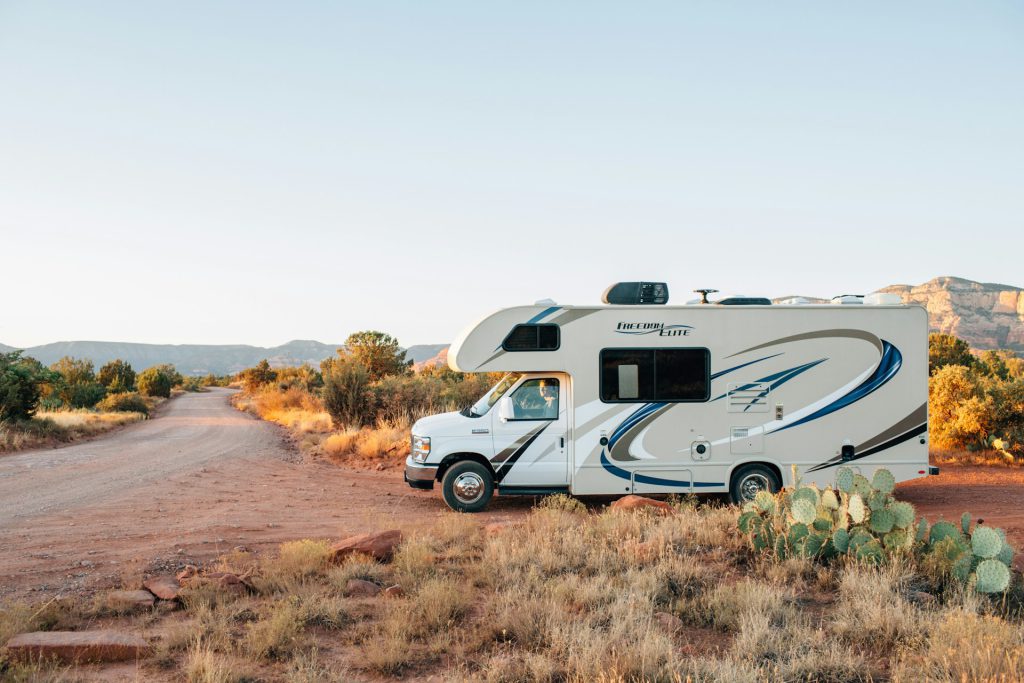
Some sites are a masterclass in spatial disorientation, especially when boulder-lined roads offer zero swing room.
A 44-foot toy hauler, with its 20-foot truck, faced a brutal parking challenge at a Nashville campground. During a tricky reverse, the truck’s wheel cover collided with a rock. This incident led to a $275 repair bill, an unwelcome surprise not covered by insurance; a simple arrival became an expensive headache.
To avoid becoming a cautionary tale, always verify site access before rolling in. Confirm road width, turning radius, and any potential obstacles. Satellite imagery can be invaluable for scoping out tight spots and ensuring massive rigs won’t end up wedged between trees. If conditions feel unsafe upon arrival, confidently request an alternative spot. Peace of mind and pristine exterior panels are worth the extra minute of negotiation.
5. Ignoring safety during setup and everyday RV life

A 10-foot fall can change a life in an instant.
One RV owner discovered this when a simple oversight turned their toy hauler patio into a hazard. Skipping basic safety steps, such as flipping on lights or clearing stray items, creates risks. The incident, caused by navigating in the dark after leaving a table and ignoring a pre-use check, resulted in immediate numbness in the hands.
The fallout was brutal. The individual spent nine weeks in a cervical collar, facing nearly two years recovering full function. Doctors called them “extremely lucky” to avoid severe spinal injury, yet hefty ER bills piled up. A basic safety checklist and simply turning on the lights are not suggestions; they are the bare minimum to avoid turning an adventure into a medical catastrophe.
4. Not preparing for the relationship stress of RV living
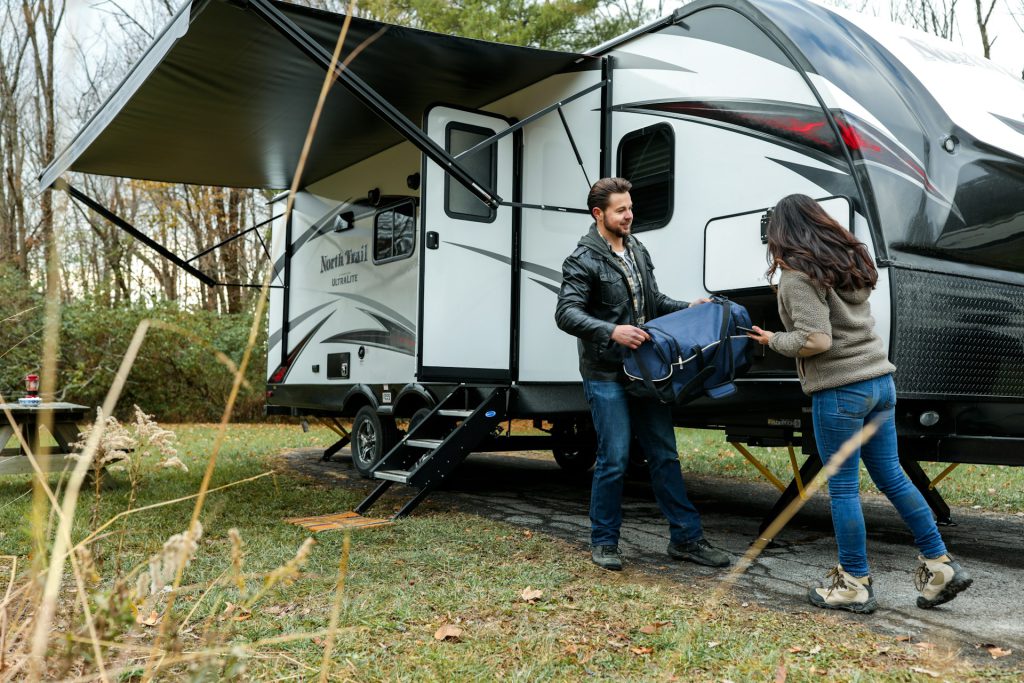
Image: Unsplash
Living in a space as compact as 300 square feet can feel less like an adventure and more like a never-ending escape room for two.
Every minor annoyance, from a misplaced car key to navigating new logistics, gets amplified when there’s no room to retreat. New full-timers, like those who jumped into a 44-foot toy hauler with a 20-foot truck without prior experience, often find themselves “popping off at each other” far more than they anticipated.
Constant travel and shared problem-solving turn even trivial decisions into high-stakes arguments. Before committing to this mobile lifestyle, testing the waters with shorter trips or rentals helps gauge compatibility and emotional resilience. This approach reveals a significant, often hidden, cost beyond the fuel and campsite fees.
3. Not having a way to boondock or camp off-grid
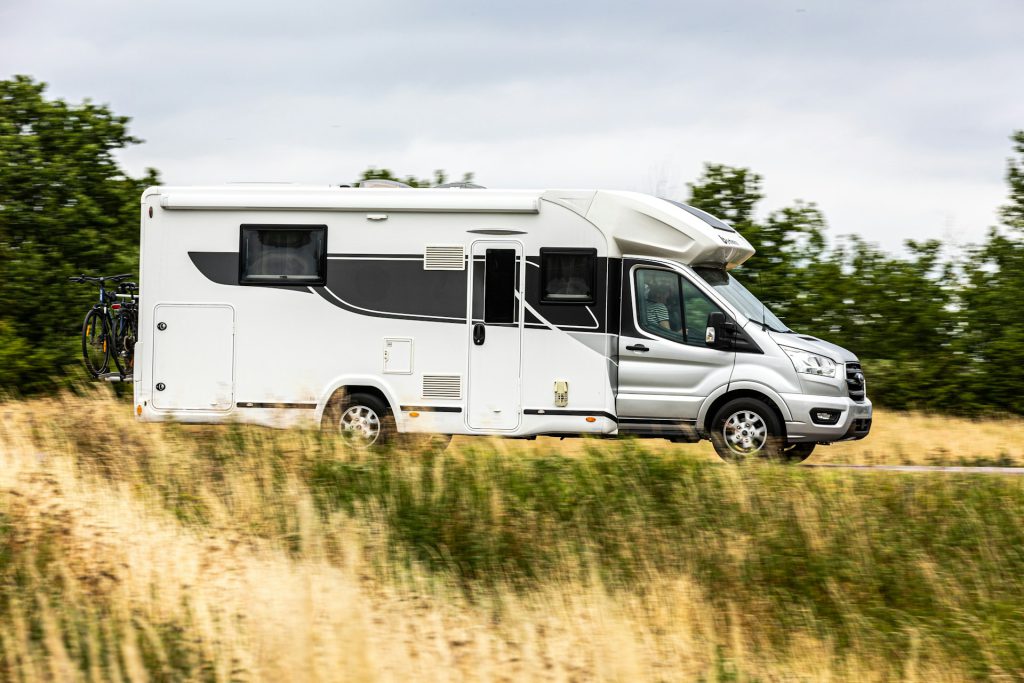
RVers in their first year often face significant campground fees, averaging around $60–65 per night.
This cash drain can feel relentless. For many, reliance on paid sites eats into savings, making extended travel a financial tightrope. An initial $14,000 investment in a solar setup enabled indefinite boondocking, turning an RV into a true mobile sanctuary, free from the grid and its associated costs.
That upfront investment proved to be a crucial financial buffer when one partner was unexpectedly laid off, allowing them to dodge weeks of bills. Modern power systems, like the Apex 300, now offer similar off-grid capabilities for a fraction of that original price. Investing in boondocking while gainfully employed can avert significant financial crises during unexpected income shifts.
2. Not figuring out RV financing and warranties ahead of time
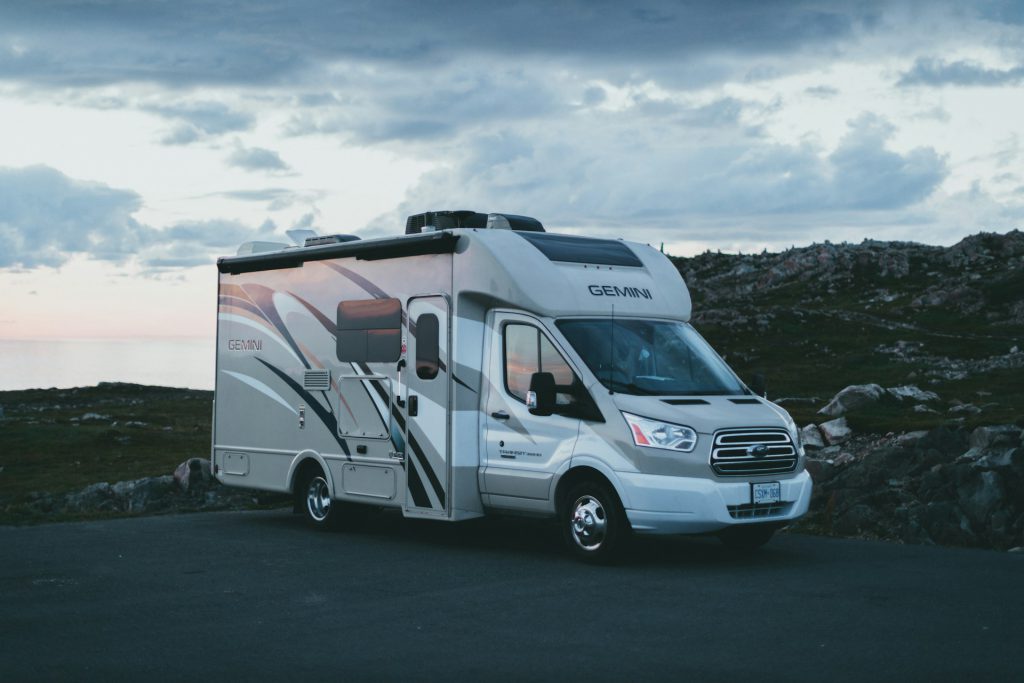
Pre-approval for RV financing secures terms before sales pressure begins, preventing rushed decisions at chaotic RV shows.
Many buyers, eager for the open road, accept immediate financing without comparing rates. Instead, gathering quotes from multiple lenders from home allows several weeks to understand options.
This informed approach allows scrutiny of loan agreements, avoiding unnecessary add-ons that bloat costs. Services like My Financing USA specialize in full-timer RV financing, even for those without traditional addresses. Wholesale Warranties provides extended coverage. This preparation puts buyers in control, enabling them to secure better deals and potentially save thousands of dollars.
1. Buying too much stuff before hitting the road

Many RVers discover they’ve overspent before their tires hit the pavement.
A $1,500 Peplink router, meant for boosted internet, became useless once Starlink offered a simpler, direct connection. That router eventually found a new home, given away to someone else.
Endless “essential” RV accessory lists online exist, but real-world experience quickly sorts useful from redundant. Starting with actual necessities, especially safety gear, before investing heavily prevents regret. Acquiring items only as travels reveal genuine needs prevents unnecessary spending on tech that simply collects dust.