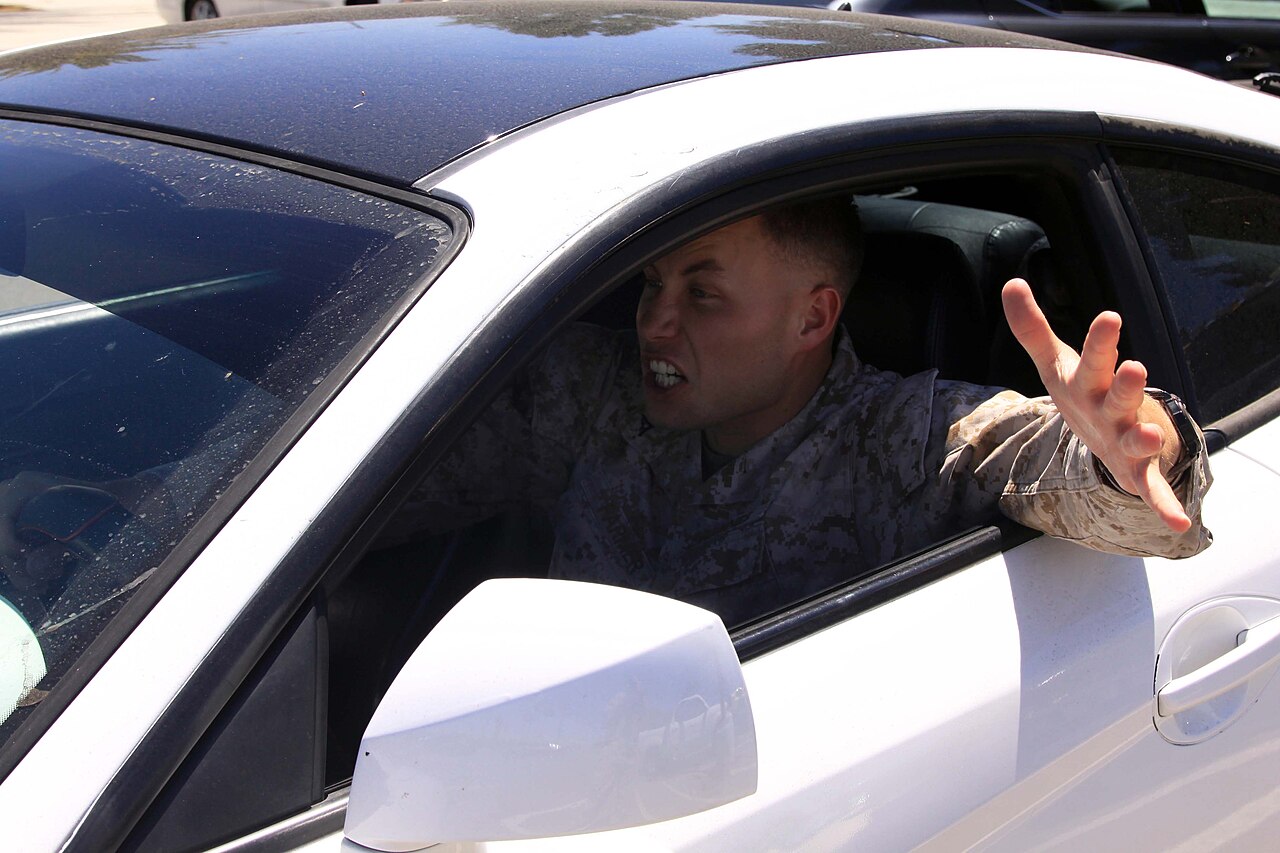
Road rage isn’t some abstract highway horror story—it’s your Tuesday morning reality. One in four drivers witness aggressive incidents regularly, from the classic honking symphony (74% of drivers see this) to the genuinely terrifying vehicle ramming that 3% of drivers admit to attempting. Your daily commute now carries the same liability risks as a demolition derby, with insurance companies ready to spike your premiums by 51% if you’re tagged as the aggressor. Enter dash cams: the automotive equivalent of a Ring doorbell, turning your windshield into a 24/7 evidence collector.
The Numbers Paint a Grim Picture
NHTSA data reveals road rage contributes to over 1,000 deaths annually, with aggressive driving involved in two-thirds of all accidents.
The statistics read like a fever dream of American driving culture. NHTSA reports average 1,035 driver and passenger fatalities yearly from road rage incidents since 2019. Millennials lead the charge at 52% participation rates, while Gen X takes things nuclear—they’re most likely to actually exit their vehicles during confrontations at 7%.
Your seemingly rational coworker who discusses quarterly reports calmly? There’s a 50% chance they’ve honked aggressively, 43% they’ve screamed obscenities at traffic, and 32% they’ve deployed the international gesture of automotive displeasure. Meanwhile, witnesses regularly spot:
- Tailgating (55%)
- Lane blocking (52%)
The math isn’t comforting when you’re surrounded by potentially volatile drivers every morning.
When Insurance Becomes Your Biggest Enemy
Road rage claims average $24,000 for injuries, making dash cam evidence your financial lifeline.
Here’s where dash cams transform from gadget to guardian angel. When road rage incidents escalate—and property damage claims average $5,000 while injury claims hit $24,000—having video proof determines whether you’re victim or villain in insurance company eyes.
Reckless driving charges can jack your full coverage premiums from $2,424 to $3,492 annually. Modern dash cams capture license plates at highway speeds, log GPS coordinates, and use G-sensors to automatically save footage when things get violent. Think of it as having an impartial witness who never forgets details or gets intimidated during depositions.
Your Digital Bodyguard
Smart dash cams now feature AI incident detection and cloud uploads, creating real-time protection against road rage liability.
The latest dash cam tech reads aggressive driving patterns like a behavioral psychologist. AI-powered models flag sudden lane changes, tailgating, and erratic acceleration—exactly the behaviors that precede road rage explosions.
Cloud connectivity means footage uploads automatically during incidents, protecting evidence even if your car gets vandalized later (because 7% of Gen X drivers do exit their vehicles, remember?). It’s basically having a Netflix documentary crew following your commute, except they’re working for your legal defense instead of entertainment value. Your morning drive just got a lot more defensible.