Norway registered 13,451 new passenger cars in August 2026, and 98.7% of them were battery-electric, the highest monthly share the country has ever recorded. That figure covers new registrations only, not the total national vehicle fleet, and it climbed from 96.9% in the same month a year earlier.
Norway holds the most advanced mass-market EV position in the world, shaped by years of tax policy and ownership incentives that made battery-electric cars the default choice for buyers. August pushed that record further, even as total registrations fell 3.4% year over year.
Who Actually Won the Month
Volkswagen topped the brand rankings, but the model-level results tell a more complicated story.
Volkswagen led all brands with 1,457 registrations and a 10.8% market share, followed by Toyota with 1,328 registrations and 9.9%. BMW and Volvo followed in the brand ranking, with Xpeng placing fifth.
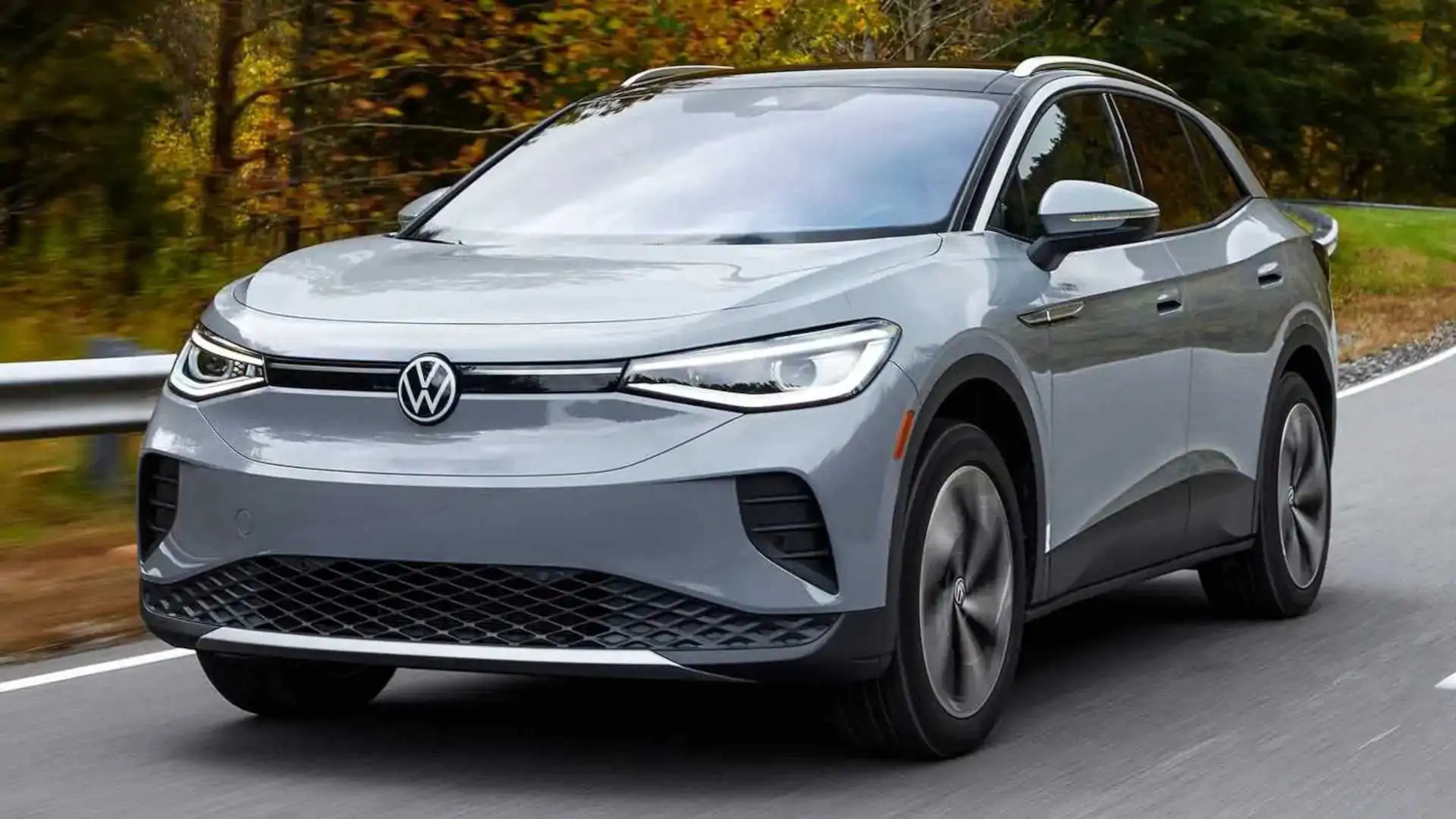
At the model level, the Toyota bZ4X ranked second with 630 registrations, while the Volkswagen ID.4 placed fourth with 710 registrations. Worth noting for North American readers: Volkswagen discontinued local ID.4 production in the United States, yet the model remains one of Norway’s top sellers in a market that is almost entirely electric.
Tesla registered 627 cars in August, placing seventh among brands with a 4.7% share. Despite that monthly result, Tesla held the top spot in Norway’s year-to-date brand ranking. Monthly swings can look dramatic against a stronger cumulative position, and Tesla’s year-to-date leadership reflects exactly that dynamic.
Chinese Brands and the New Competitive Reality
Xpeng and BYD more than doubled their combined market share, signaling how competition in Norway has fundamentally shifted.
Xpeng placed fifth among brands for the month, and the combined share held by Xpeng and BYD more than doubled year over year, rising from 4.9% to 11.4%. In a market where 98.7% of new passenger cars are battery-electric, the powertrain debate is settled.
Price, range, software quality, charging speed, winter performance, and after-sales support have become the real battleground. Chinese manufacturers are competing on all of those dimensions directly.
What 98.7% Still Can’t Fix
A record new-car sales share and a fully decarbonized national fleet are two very different things.
The petrol and diesel vehicles already on Norwegian roads will continue to generate emissions until they are retired. That fleet turns over slowly, regardless of what happens at the dealership.
Battery-electric vehicles reached 53.1% of new work-van registrations in August, up 12.1 percentage points year over year, showing electrification expanding beyond private passenger cars. The entire non-EV passenger-car market in August amounted to just 170 registrations across gasoline, diesel, conventional hybrid, and plug-in hybrid vehicles combined.
For automakers watching Norway, the strategic read is clear: the question is no longer whether to go electric. It is which electric vehicle earns the sale.