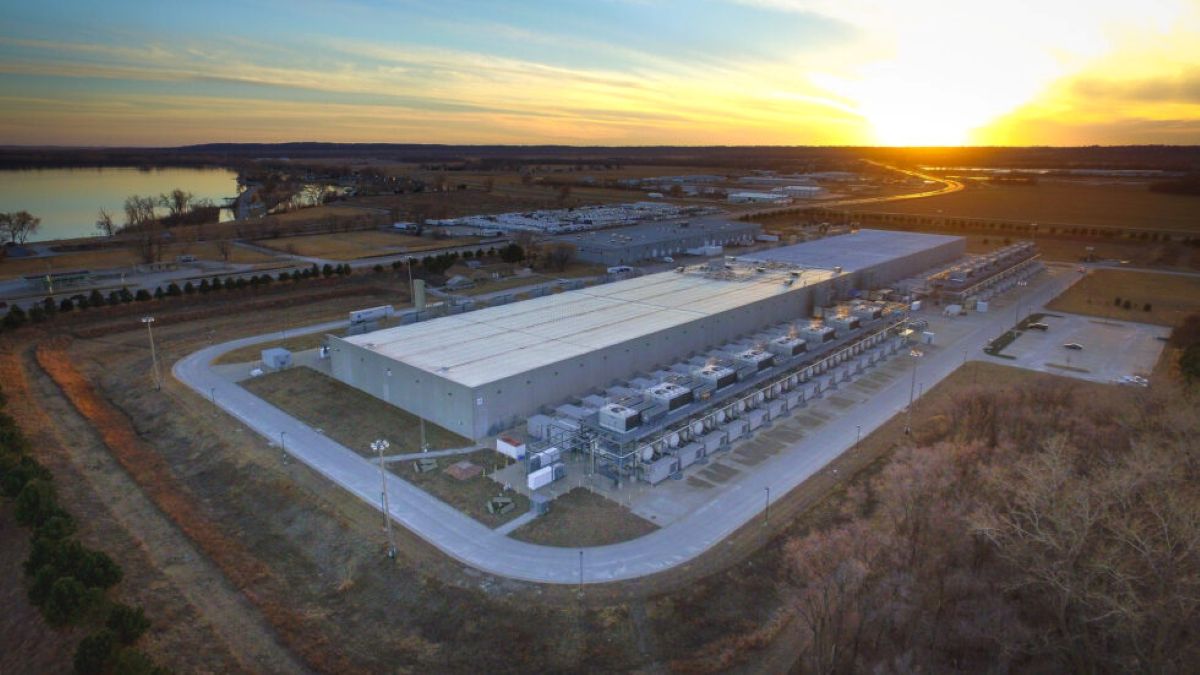
Six fossil gas turbines powering AI servers on 350 acres of Manitoba farmland would have created one of the province’s largest single polluters. Premier Wab Kinew just said no to that vision, rejecting Las Vegas-based Jet.AI and Vancouver’s Consensus Core’s hyperscale data centre proposal near Ile des Chênes. The facility would have demanded 500 megawatts of continuous power—roughly 300 times more than Manitoba’s entire government computing needs of 1.5 MW.
Environmental Math Doesn’t Add Up
Manitoba’s hydro-based grid identity clashes with gas-turbine data centre reality.
The numbers tell the story environmental groups have been warning about. A 100-megawatt data centre consumes as much electricity as 80,000 households, according to the Electric Power Research Institute. This proposal would have burned natural gas around the clock to feed AI training algorithms, undermining Manitoba’s clean electricity reputation just as other provinces scramble to electrify transport and heating. Kinew called out the “volume of natural gas” required as incompatible with provincial climate goals—a rare moment of political honesty about AI’s fossil fuel appetite.
Rural Pushback Goes Viral
Local petition gathers 13,500 signatures against noise, pollution, and farmland loss.
Christie Little lives across from the proposed site and launched an online petition that captured widespread opposition to transforming agricultural land into a 24/7 industrial operation. Residents raised specific concerns about:
- Turbine noise
- Light pollution from data centre operations
- Air quality impacts
- Permanent loss of productive farmland
After Kinew’s announcement, Little called the decision “a huge win,” saying she was “over the moon” that government listened to community concerns.
Economic Bubble Warning
Limited local benefits and sustainability concerns challenge industry promises.
University of Manitoba economist Fletcher Baragar expressed caution about the AI data centre boom, noting strong current demand but questioning “whether it’s sustainable or whether it is, perhaps, a bubble.” Consensus Core promised well-paying construction jobs and tax revenue, but Kinew argued operational benefits would largely leave the province once built. The premier also highlighted emerging local AI capabilities—powerful models running on consumer devices—as reason to doubt whether $30-billion hyperscale facilities might become “albatrosses” if AI computing shifts toward smaller, distributed systems.
Manitoba’s choice to invest in local GPU infrastructure through MERLIN rather than hosting hyperscale cloud facilities signals a more cautious approach to AI’s physical footprint. While other provinces court mega-data centres, Kinew’s decision prioritizes community input and climate consistency over chasing the latest tech investment trend.