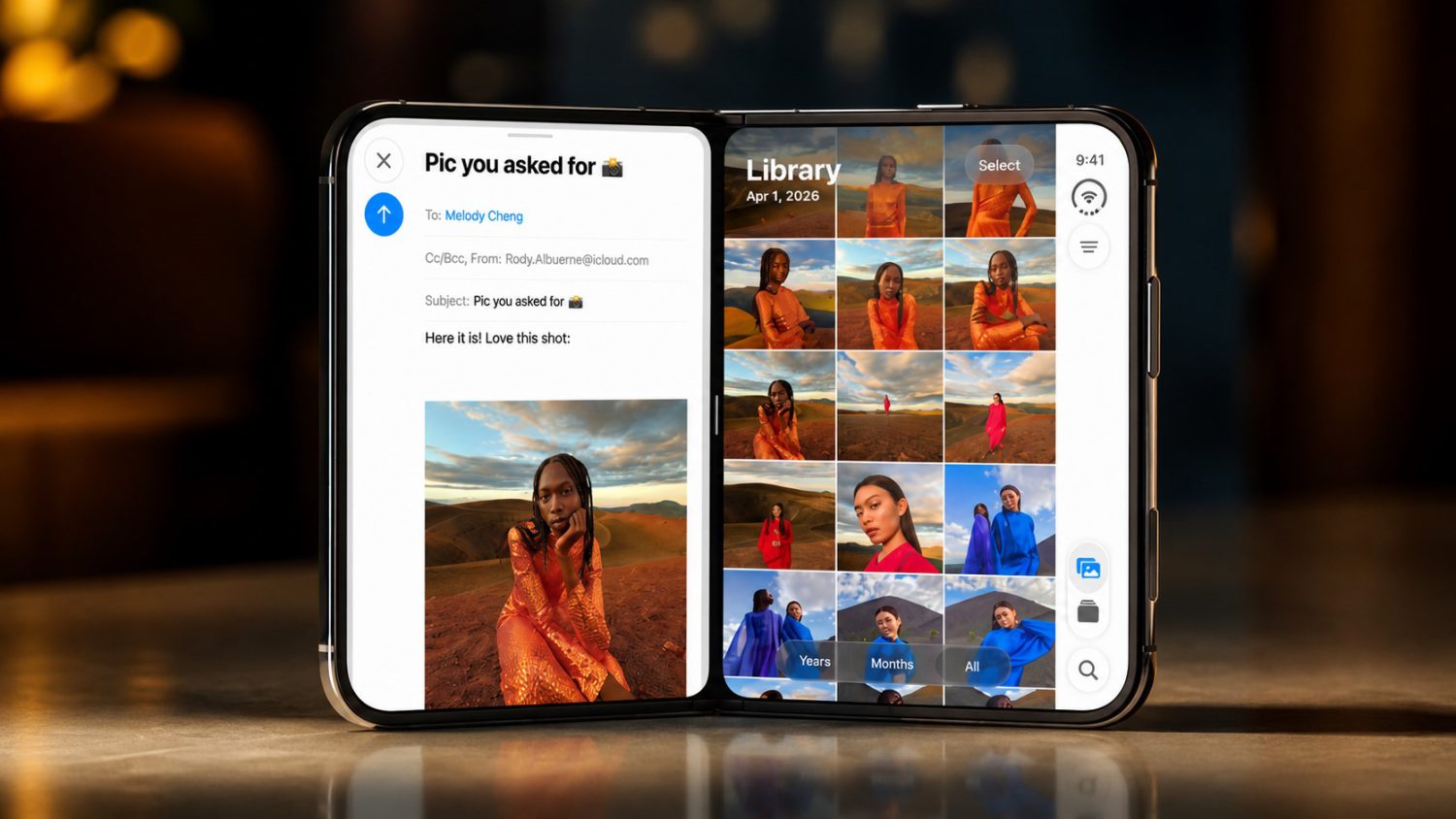
Apple reportedly priced its first foldable iPhone Duo at $1,999 — and quietly dropped the biometric it has spent a decade refining. No Face ID on iPhone Duo. Just a fingerprint sensor tucked into a side button. Before you call that a downgrade, consider what happens when your phone folds in half. If you’re shopping around for imaging hardware at this price point, our guide to the best cameras offers useful context for comparison.
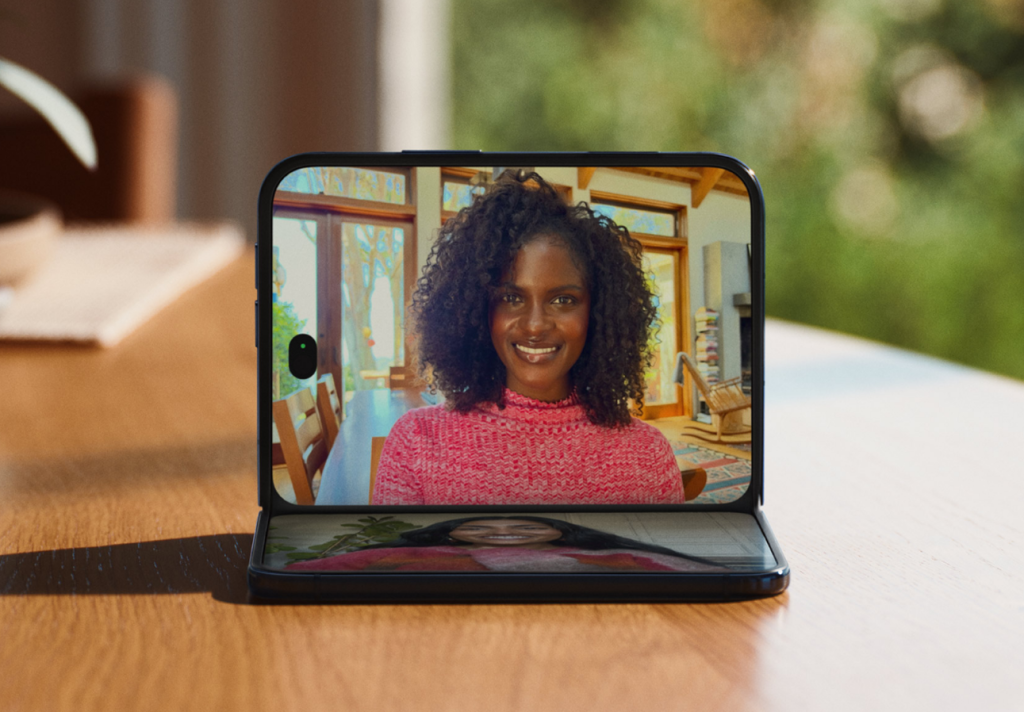
A book-style foldable has two screens. One is 5.4 inches on the outside, the other 7.6 inches on the inside. Duplicating Face ID’s depth-sensor array across both displays isn’t just complicated — it’s the kind of engineering compromise that shows up as a crease in your wallet, not just your screen. One fingerprint sensor, fixed in the titanium frame, solves the problem cleanly.
One Button to Rule Both Screens
Side-button Touch ID delivers the same muscle memory whether Duo is folded shut or opened flat.
The side button doesn’t move — whether Duo is folded shut against your palm or opened flat on a desk, your thumb finds Touch ID in exactly the same spot. According to Apple’s newsroom, the sensor delivers “easy, secure, and consistent authentication whether iPhone Duo is open or closed,” and MacObserver notes this approach avoids duplicating hardware across two displays entirely. Multiple finger enrollment is supported, mirroring the implementation Apple already uses on iPad Air and iPad mini.
- Touch ID integrated into the titanium side button; consistent position in open and closed states
- No Face ID; both display cameras serve FaceTime and photography only
- Multiple finger enrollment supported
- Apple Watch unlock available as a hands-free secondary authentication option; see how Sign in with Apple is evolving alongside these biometric changes
- Pre-orders reportedly open October 16; ships October 23, starting at $1,999
The Button That Does More Than Unlock
Camera Control and Siri Camera mode turn a hardware button into Apple’s most visible AI statement yet.
The same titanium frame houses a second dedicated button: Camera Control. Press it from a locked screen and the camera opens instantly. Press it again and Siri Camera mode activates — think Google Lens baked directly into your assistant, no app-switching required. Siri “sees what the user sees,” according to Apple’s announcement, answering questions and taking action based on whatever the viewfinder captures in real time. This is part of the broader Siri AI and Apple Intelligence rollout shipping with the latest iOS release, which also reportedly brings Split View multitasking to iPhone for the first time.
This isn’t a camera gimmick. It’s Apple’s opening move in multimodal AI.
If you’re already carrying an Apple Watch and eyeing the foldable market, Duo’s authentication story is surprisingly coherent. The real question for $1,999 is whether a fingerprint in a button plus a Siri that can see justifies leaving Face ID behind. Independent biometric reliability testing isn’t available yet — that verdict arrives after October 23.