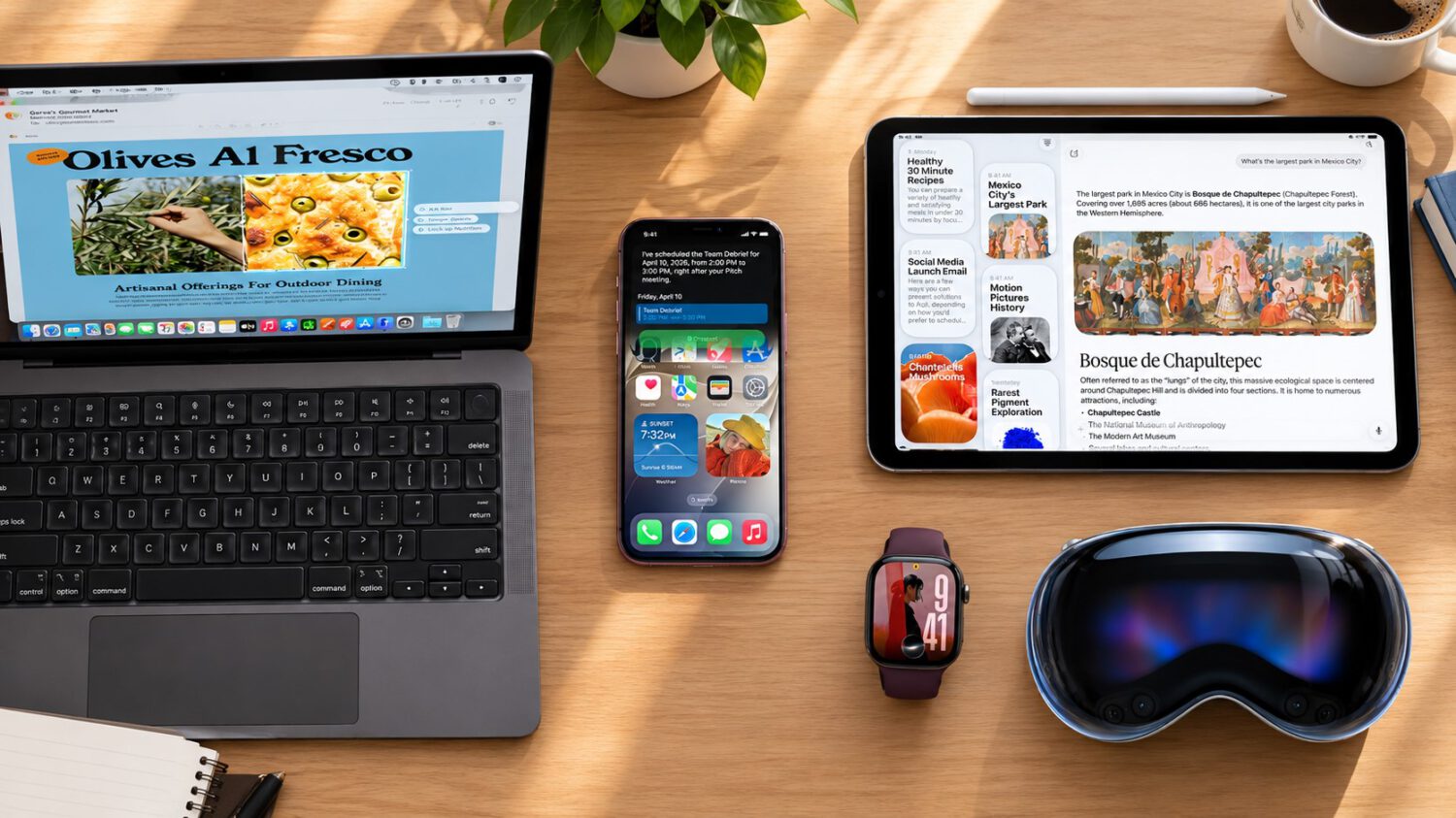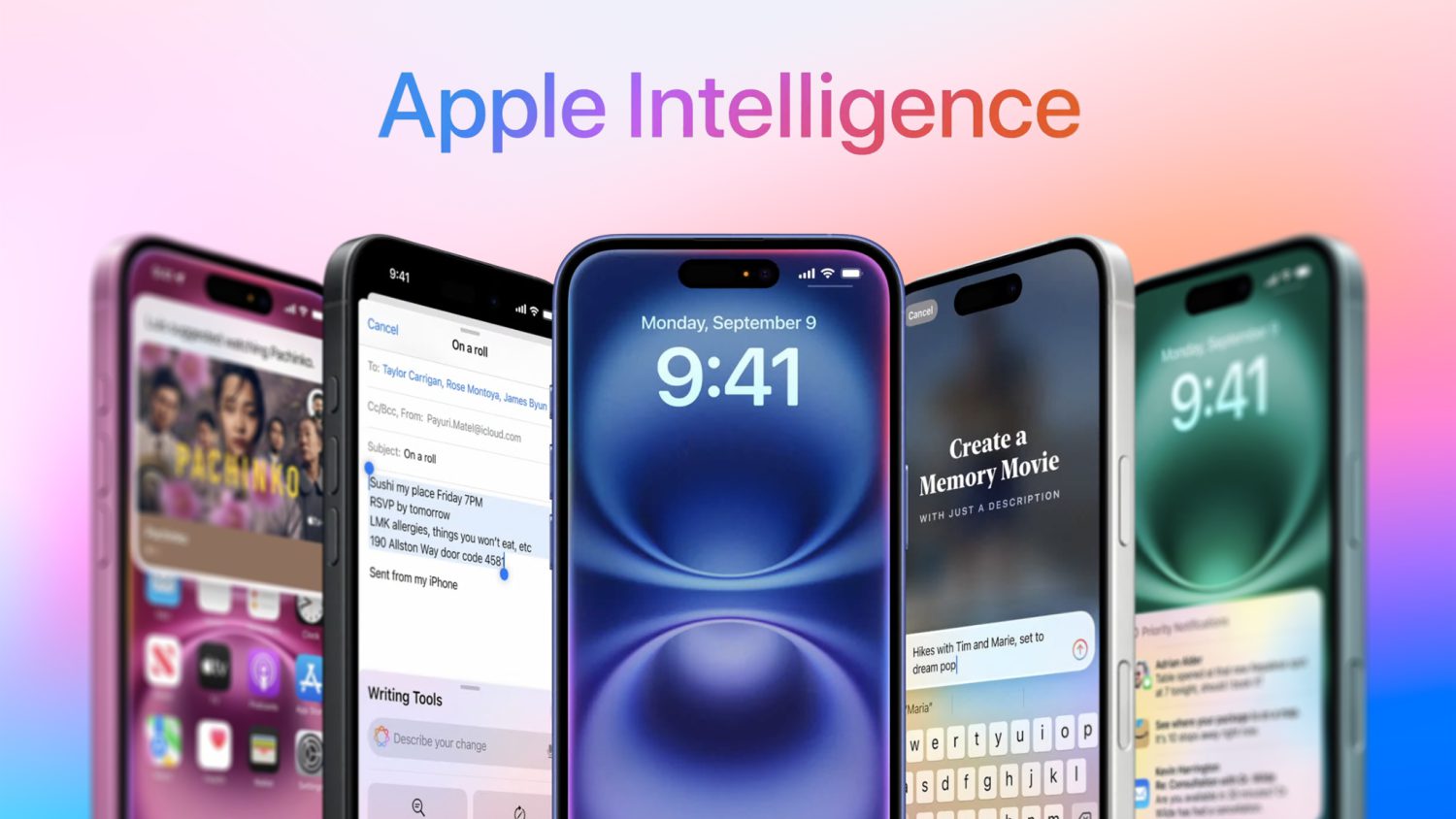
When Apple promised Siri was about to get genuinely smart, the ads were confident, the keynotes were polished, and the features — Genmoji, Live Translation, Clean Up, expanded on-device AI — were supposedly right around the corner. For millions of buyers, that corner never arrived. Now Apple is paying $250 million to settle a U.S. class-action lawsuit over exactly that gap, and payments are expected to land earlier than originally scheduled.
Do You Qualify? Here’s the Short Version
Seven iPhone models fall within the settlement class — check your purchase date before anything else.
- Eligible models: iPhone 15 Pro, iPhone 15 Pro Max, iPhone 16, iPhone 16e, iPhone 16 Plus, iPhone 16 Pro, and iPhone 16 Pro Max
- Purchase window: June 10, 2024 through March 29, 2025, U.S. purchases only
- Estimated class size: roughly 36–37 million devices
- Expected payout: approximately $25 per device presumptively; up to ~$95 if relatively few people file claims
- How you’ll hear about it: settlement administrator Verita Global will contact eligible owners by email and postal mail — there is no legitimate way to file before that notice arrives
- Claim deadline: 90 days from the date of your individual notice
The $250 million fund is non-reversionary, meaning any money left over after legal fees and administrative costs still flows to class members rather than back to Apple. With roughly 36–37 million eligible devices in the class, most claimants should realistically expect something closer to the $25 floor than the $95 ceiling.
“Apple has reached a settlement to resolve claims related to the availability of two additional features,” an Apple spokesperson said, as reported by CNET. The company has not admitted wrongdoing.
Why “Sooner” Actually Means Something Here
The final approval hearing moved seven months earlier, which shifts the entire payment timeline into spring 2027.
The original schedule placed the final approval hearing on September 29, 2027. U.S. District Judge Noël Wise set the operative date to February 24, 2027 — roughly seven months earlier. Under standard class-action distribution practice, payments can begin approximately 60 days after final approval, assuming no appeals delay distribution.
That puts potential payouts in spring 2027 instead of late 2027.
Clarkson Law Firm, which represented the plaintiff class, characterized Apple’s Apple Intelligence campaign in legal filings as constituting false advertising — specifically, that Apple overstated both the availability and timing of flagship AI features when marketing these devices to consumers.
Think of it as the streaming-era problem applied to hardware: studios promised a full library, delivered three shows and a loading screen. Apple sold a vision of AI that existed largely in promotional materials while actual features trickled out in staged software updates months after purchase.
This case is one of the first major consumer class actions targeting AI assistant marketing in mainstream smartphones. Every Android manufacturer currently circulating its own “coming soon” AI roadmap should be paying close attention — and choosing its words considerably more carefully.