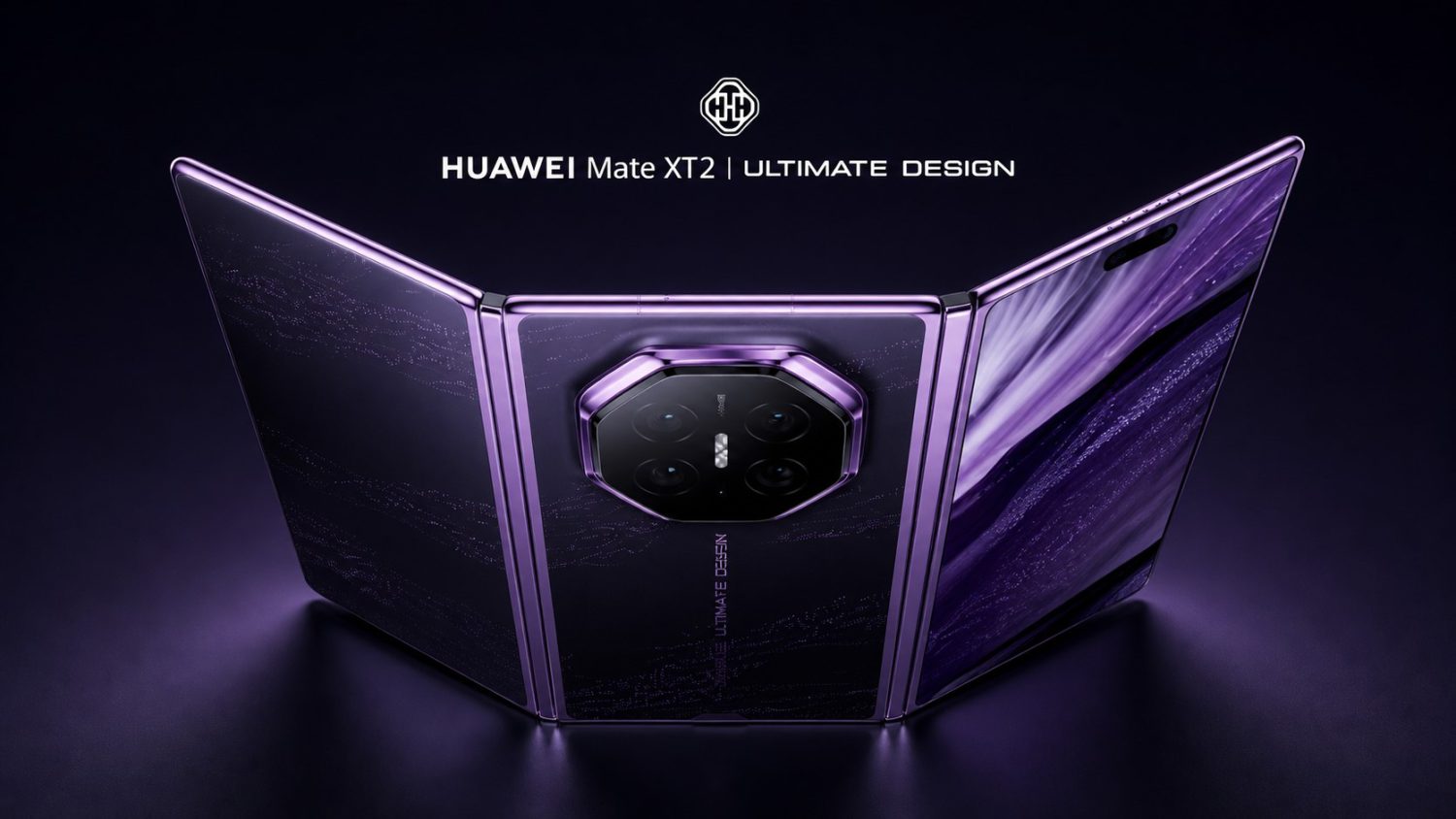
Apple spent years being the company that defined what custom silicon and premium hardware should look like. On September 7, 2026, Huawei launched its third-generation tri-fold smartphone — the Mate XT 2 Ultimate Design — and Apple hadn’t held its event yet. The foldable market’s competitive baseline is already set. Apple doesn’t get to walk in and reset it.
Three Folds, One Chip, Zero Google
Huawei’s Mate XT 2 raises the foldable benchmark on hardware, chipset independence, and price — before Apple has said a word.
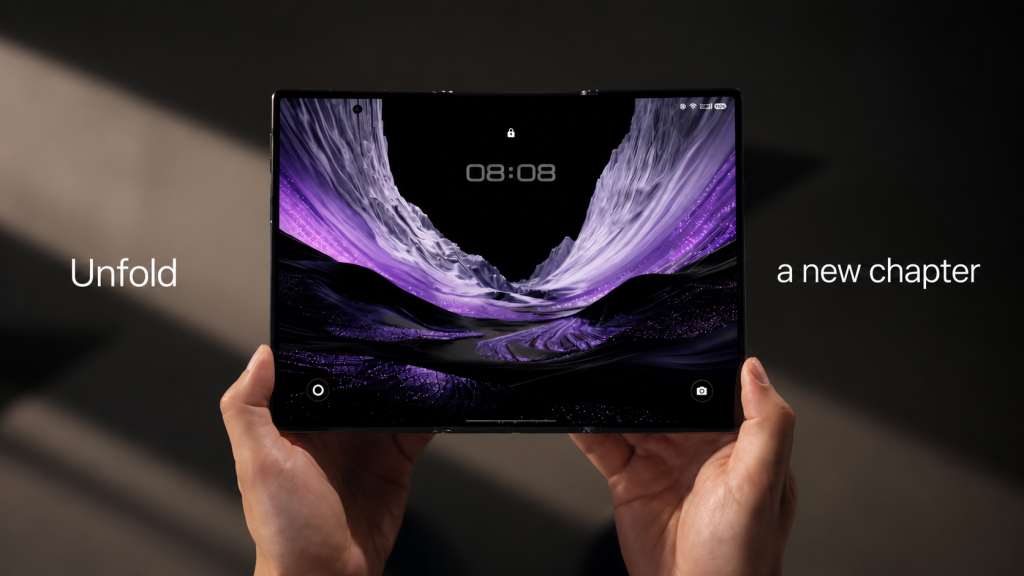
Unfold the Mate XT 2 and you’re holding a 10.2-inch display — larger than tablets most people actually use. The Kirin 9050 Pro sits inside, a domestically designed chipset built while U.S. export controls were actively working to prevent exactly this outcome. Huawei also redesigned the hinge to reduce the crease that haunts every foldable on the market. Battery capacity lands somewhere between 5,600mAh and 6,000mAh depending on configuration, according to NotebookCheck. Pricing starts at 19,999 yuan (roughly $2,750) and climbs to 24,999 yuan. It runs HarmonyOS. No Google services. China only, for now.
Standing next to it at the same moment: Xiaomi’s 18 Fold, starting at 10,999 yuan — roughly half of Apple’s rumored entry price. It ships with a 7.58-inch inner display, Xiaomi’s proprietary Xring O3 chip, LPDDR6 memory on higher trims, a 200MP main camera, and a 6,000mAh battery, per SCMP. Two Chinese companies. Two flagship foldables. Two in-house chips. One pre-Apple week.
Here’s where the three foldables stand heading into Apple’s event:
- Huawei Mate XT 2: 10.2-inch tri-fold, Kirin 9050 Pro, 5,600–6,000mAh battery, from 19,999 yuan (~$2,750), China only
- Xiaomi 18 Fold: 7.58-inch book-fold, Xring O3, 6,000mAh, 200MP camera, from 10,999 yuan (~$1,510), China only
- Apple foldable (unconfirmed): Reported 7.8-inch inner screen, Touch ID power button, expected above $2,000, global release anticipated
Apple Shows Up Late to a Party It Didn’t Plan
For anyone who has tracked Apple’s two-decade run of hardware category-setting, the timing carries a different weight this week.
The foldable iPhone reportedly features a 7.8-inch inner screen, a 5.3- to 5.5-inch cover display, and Touch ID in the power button rather than Face ID — treat those as reporting, not confirmed specs, per CNET. Expected price: above $2,000. Apple enters not as a pioneer but as a well-resourced latecomer competing against a maturing foldable ecosystem with a pre-order records-setting price war already underway.
Buried beneath the display specs is the actual geopolitical gut-punch. U.S. export controls were designed to restrict China’s access to advanced chip manufacturing — part of a broader national security strategy. Both Huawei and Xiaomi shipped flagship foldables on domestically designed silicon anyway, according to Reuters. That’s not a product launch. That’s a signal.
Whether the Kirin 9050 Pro or Xring O3 match Apple’s A-series is a separate argument. The capability exists. The momentum is real. Apple’s foldable story had better be about more than arriving fashionably late with a $2,000 price tag — because the competition stopped waiting for its permission a long time ago.