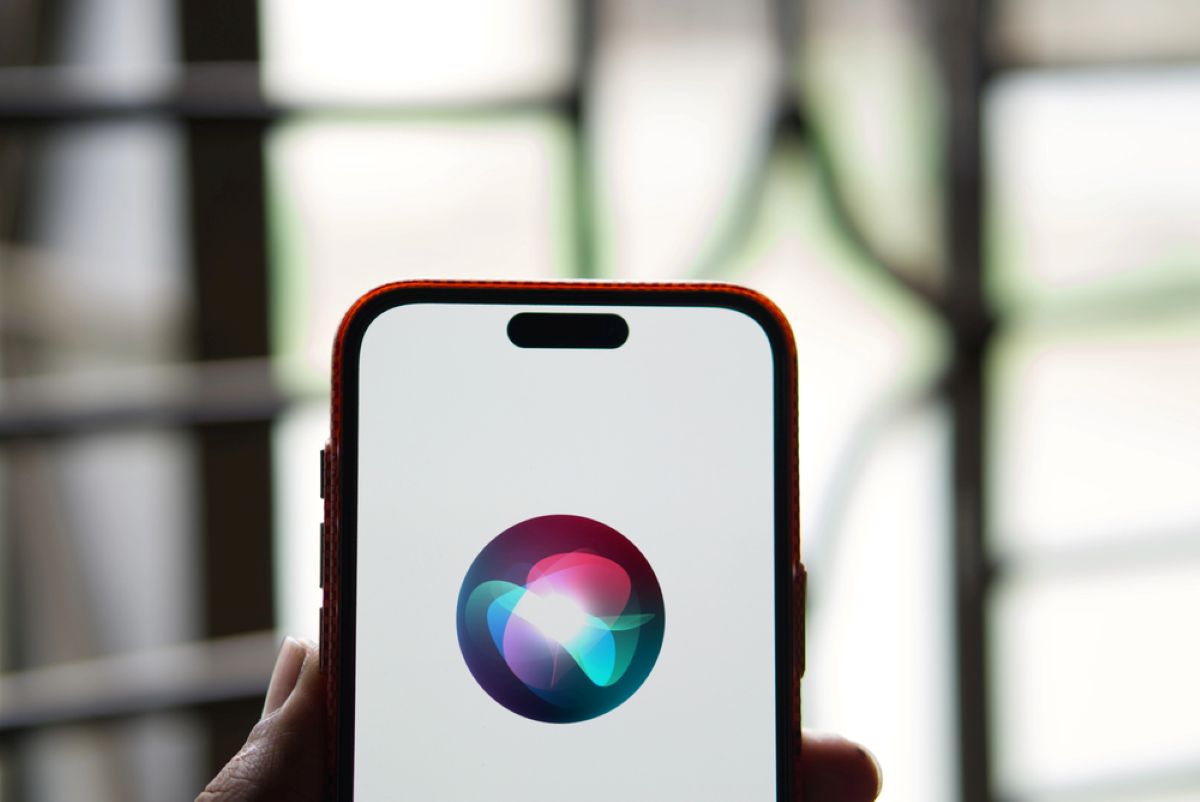
Asking Siri to read your texts used to mean sending that request to Apple’s servers. Now, your iPhone handles most of these tasks locally, keeping personal conversations from ever leaving your pocket. This on-device processing represents a fundamental shift from competitors like Google Assistant and Alexa, which typically beam your voice commands to corporate data centers for interpretation.
When you search across apps or ask Siri about calendar events, the new system queries a local index built from your data rather than uploading your query to the cloud. Your search terms never reach third-party services or even the original apps — like having a personal librarian who knows your filing system but never gossips about what you’re looking for.
Private Cloud Compute Locks Down Bigger AI Tasks
Apple’s specialized servers promise to process requests without storing your data.
For AI tasks too complex for your phone’s processor, Apple routes requests through Private Cloud Compute — essentially hardened, Apple-only servers designed to behave more like an extension of your iPhone than a traditional cloud service. According to Apple’s technical documentation, these systems process your requests but don’t retain the data afterward, with no employee access to readable information.
This contrasts sharply with conventional AI clouds, where your conversations often become training data or feed into advertising profiles. Think of it as the difference between whispering to a trusted friend versus shouting in a crowded room where everyone’s taking notes.
Your Identity Stays Separate from Your Requests
Random device identifiers replace Apple ID linkage for Siri interactions.
Apple’s privacy policy reveals that Siri transcripts connect to rotating, pseudonymous device identifiers rather than your Apple ID or personal information. These identifiers change multiple times per hour, making it harder to build comprehensive profiles of your assistant usage over time.
Additionally, Apple explicitly states that Siri data isn’t used for advertising or sold to third parties — a stark departure from ad-driven assistant ecosystems.
Privacy Promises Come with Important Caveats
Apple’s track record and current practices still raise legitimate concerns.
Don’t forget Apple’s $95 million settlement over contractors reviewing Siri recordings without user knowledge, including accidentally captured intimate conversations. While Apple has since implemented opt-in policies for human review, transcripts of your Siri interactions may still be transmitted to Apple servers and retained for up to two years for service improvement.
Independent researchers from the AppleStorm project argue that Siri and Apple Intelligence quietly transmit more metadata than users realize, including app activity and message content in certain scenarios. They note that separate privacy policies for Siri versus Apple Intelligence create confusion about which data-handling rules apply to specific actions.
The new Siri likely represents the safest mainstream AI assistant available today, but “safest option” doesn’t mean “completely private.” Understanding exactly what data flows where remains crucial for making informed choices about your digital assistant.