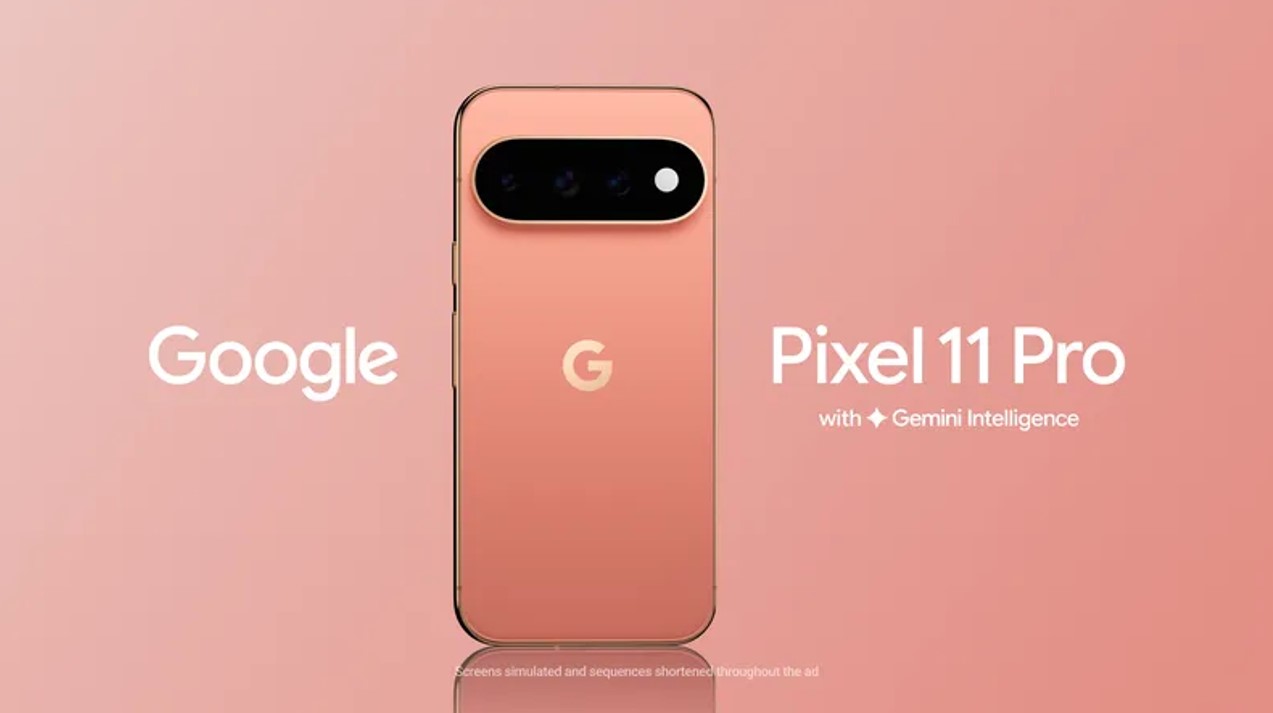
A phone buzzes. Before the screen is even unlocked, Gemini has already cross-referenced a calendar conflict, flagged a problem with a dinner reservation, and surfaced an alternate route via Maps. Nobody asked. That’s the pitch. Google isn’t launching a flagship — it’s launching an argument that the next smartphone battleground isn’t camera megapixels or display refresh rates. It’s whether AI can act before users realize they needed it to. Apple, reportedly rebuilding Siri around Gemini models, is racing toward that same finish line with AI chips at the core of its strategy.
What Gemini Actually Does on Pixel 11
According to Google, Gemini Intelligence connects Calendar, Maps, Messages, and more than 40 apps to handle multistep tasks without constant app-hopping.
Google says Gemini Intelligence works across apps as a connective layer — not a standalone chatbot users summon, but a system that understands context and moves on it. This kind of AI infrastructure investment signals a broader industry shift toward AI becoming OS-layer, not app-layer. Gemini Live can reportedly share a camera view or screen for interactive help. Google’s confirmed feature list includes:
- Rambler: voice dictation that transcribes naturally and strips filler words automatically
- On-device processing via Gemini Nano and Tensor silicon for lower latency and local data handling
- Cross-app task handling across more than 40 apps
- Creative AI tools: photo editing, image and video generation on supported Pixel models
- Gemini Live integration directly with Calendar and Maps
Google devices chief Rick Osterloh called Gemini Intelligence “a totally new way to interact with a computer,” describing a future where users increasingly interact with their phones through agentic AI — meaning the phone acts, not just answers.
Bold claim. Here’s the reality check: according to Counterpoint Research, AI currently ranks sixth or seventh among reasons consumers actually upgrade their phones. The ranking is rising — but it hasn’t cracked the top five yet.
Apple Is Coming, and It Has More People to Convince
Osterloh says Pixel and iPhone are diverging — but both are ultimately chasing the same AI-first smartphone vision.
Osterloh has said “Pixel and iPhone are going in very different directions.” Directionally, perhaps. The destination looks identical. Apple is reportedly rebuilding Siri around Gemini models with similar goals — reading on-screen context, understanding personal data, taking action across apps. The difference is scale. Counterpoint Research analyst Tarun Pathak notes that Apple already has a substantial installed base of AI-capable devices, which means its push could convert into actual upgrades faster, even if Google gets there first.
Google may have the technology lead today. Apple has the audience.
If AI can’t crack the top five reasons to upgrade, Google is staring at a product-market fit problem — not a technology problem. Osterloh also signaled that memory shortages are pushing hardware costs higher, meaning Pixel 11 may arrive at a premium price precisely when Google needs the most people to say yes.