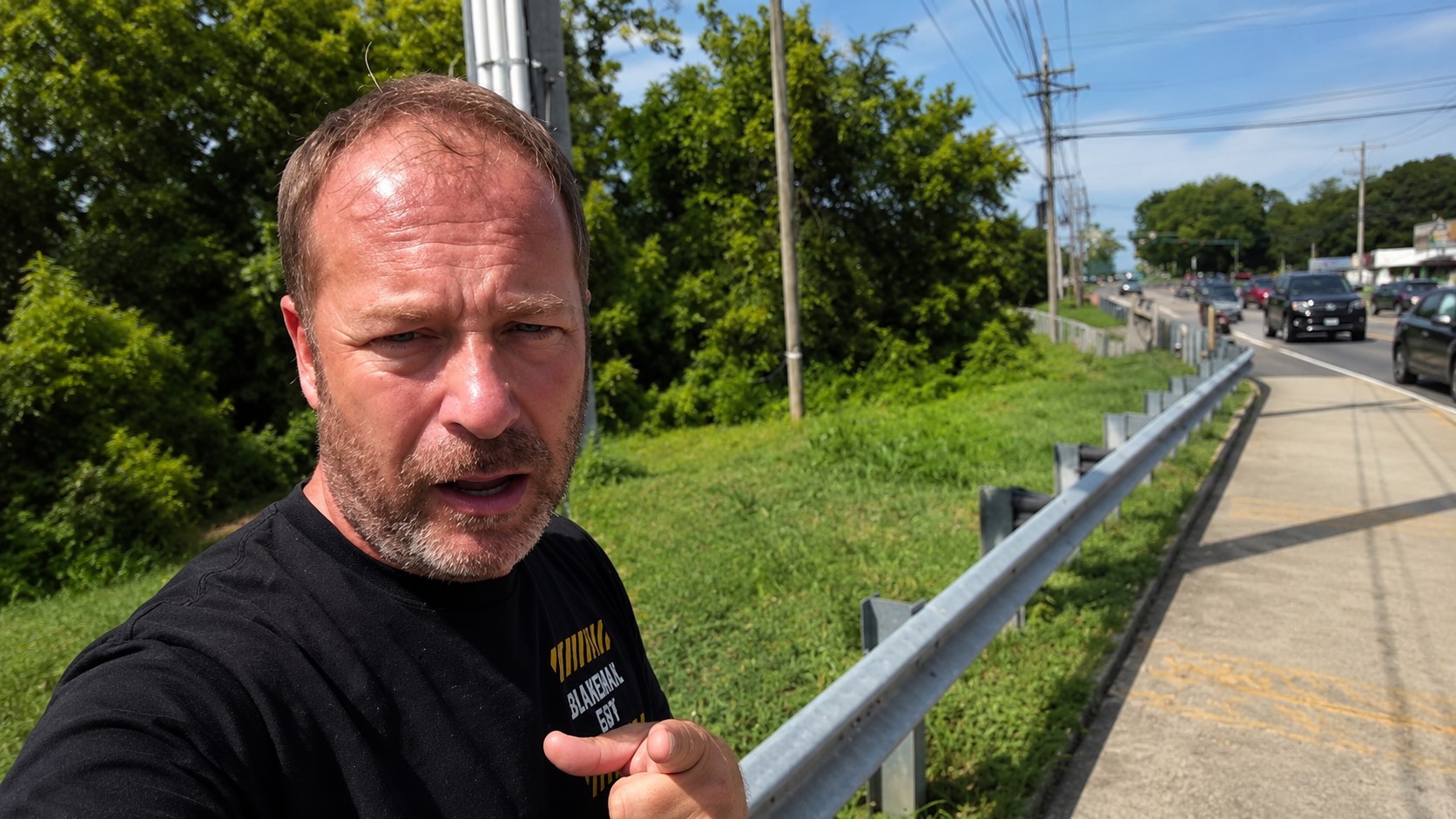
On July 25, Steve Eimers was driving with his daughter when he passed a Flock Safety camera he’d recently filmed for TikTok. It had been shot. Two miles down the road, another one — same story. The man known online as “The Guardrail Guy“ had spent months documenting how license plate reader poles violated highway safety standards. His audience heard something else entirely.
From Guardrails to License Plate Readers
A father’s grief over a deadly guardrail failure led him to a quarter-million followers — and an unexpected new target.
Eimers started this work for the worst possible reason. His 17-year-old daughter Hannah was killed in 2016 when a guardrail end terminal pierced her vehicle instead of deflecting it. He built roughly 250,000 subscribers across YouTube, TikTok, and X by filming dangerous installations with DIY intensity. In April 2024, he turned that lens on automatic license plate reader (ALPR) cameras — not over privacy concerns, but because their poles kept failing the same basic engineering test as the guardrail that killed his daughter. His concern was narrow and technical, which makes what followed all the stranger.
Two Feet Where Eight Should Be
Ohio requires ALPR cameras to sit at least eight feet from travel lanes — and some Flock cameras have been documented at roughly two.
That gap tells you everything. Eimers documented Flock cameras mounted on rigid metal rods embedded directly in concrete, painted matte black with no reflective surfaces, sitting inside the roadside “clear zone” — the buffer meant to be free of objects that can impale a car. “Every year, dozens upon dozens of people are killed in crashes with non-crash-worthy posts in the clear zone,” he told reporters.
- Flock Safety operates over 120,000 cameras across 49 states
- Many poles reportedly lack MASH TL-3 crash-tested breakaway hardware
- Eimers says he has never seen a state DOT inspection sticker on an ALPR camera post
- Flock replaced 16 Tennessee poles after his videos and committed to a nationwide audit
“In a rush to get these devices on the roadside, we’re cutting corners,” Eimers said.
When the Comment Section Writes Its Own Ending
His message was about crash compliance — but the audience was already primed for something darker.
When his posts spread, nobody debated breakaway standards. Commenters asked for GPS coordinates. One posted a photo of a pipe cutter: “Nice and quiet, cuts it like butter!!!!” Researchers who study online radicalization describe exactly this pattern: a technical message absorbed by an audience already primed for outrage, the original intent dissolving inside a comment section running its own agenda. Eimers’ concern was physical safety. His audience’s concern was surveillance — and those two things are not the same.
Between July 14 and 22, four Flock cameras near Maryville, Tennessee were shot. On July 31, the Maryville Police Department and the Blount County Sheriff’s Office arrested Adam Heimerman — reportedly a congressional candidate in Tennessee — on felony vandalism charges. Facebook comments on his arrest announcement largely read: “Buy that man a beer.”
The Bear Poked Back
Eimers has suspended all new ALPR content, fearing his advocacy could get someone killed.
“I poke the bear too often. And this time the bear poked back,” he told WIRED. Eimers is now “shell-shocked” by the outcome — and he’s done posting about ALPRs. His existing videos stay up; Flock’s audit is already underway, with 16 poles already replaced. He’s returning to guardrails and leaving surveillance debates to civil liberties organizations better equipped to hold that line. The safety problem he identified is real, documented, and apparently prompting corporate action. The audience that heard him had a different problem in mind entirely.