




A notice landed in a North Branford household claiming their Nissan owed motor-vehicle property tax to the City of New Haven. “It stated that the Nissan that we have was spotted numerous times in New Haven, and that it was subject to a property tax,” said Kathy Garasimowicz, who received the disputed notice.
The evidence was eight photographs and two parking tickets. Their child drove the car to school in New Haven. The family did not live there.
How the System Works
Automated plate readers feed a database, and a private contractor earns a commission when a vehicle lands on the tax roll.
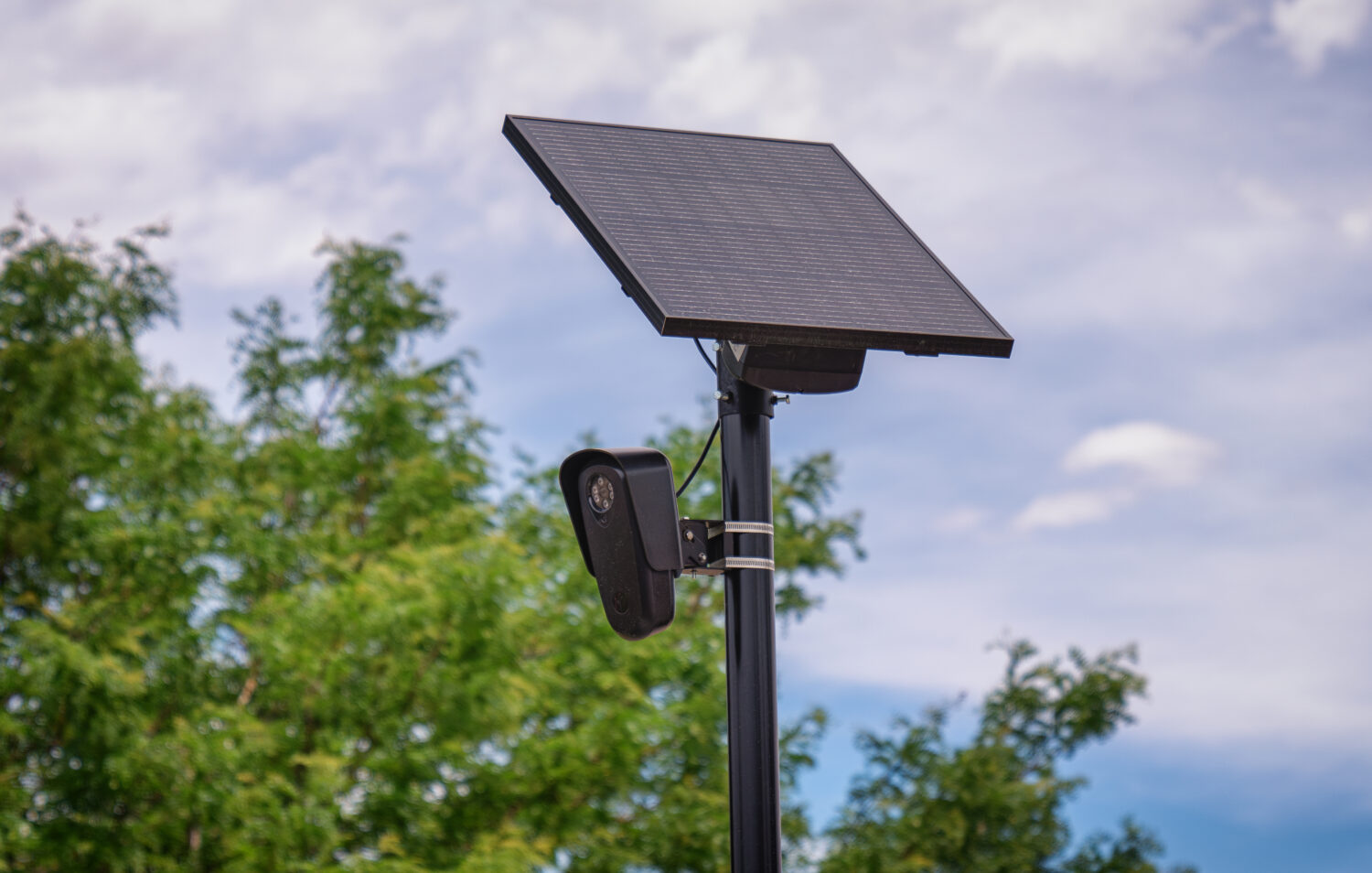
New Haven hired Municipal Tax Services (MTS) to find vehicles the city believes are taxable there but registered elsewhere. MTS vehicles carry automatic license-plate readers that record plate images, GPS coordinates, dates, and times, then cross-reference that data against ownership and tax records, according to NBC Connecticut.
The City of New Haven stated that “Municipal Tax Services was retained by the city to ensure that individuals residing in New Haven pay their car tax to New Haven,” according to NBC Connecticut.
The compensation structure warrants close attention. MTS earns a 38% commission for each vehicle successfully added to the city’s tax roll. Owners also face a separate $50 per-vehicle fee.
New Haven says MTS recovered nearly $24 million between 2024 and 2025. That would place the contractor’s estimated share at approximately $9.1 million, a figure that has not been independently audited.
What the Law Actually Requires
Presence in a city and being principally garaged there are not the same thing under Connecticut law.
Connecticut taxes motor vehicles based on where they are principally garaged: where a vehicle most frequently departs from, returns to, or remains. Repeated sightings in a city can prompt an investigation, but they do not automatically satisfy that legal standard.
A car driven to school, work, a hospital, or a family member’s home will appear in a plate reader’s log. That alone does not establish residency or primary garaging.
MTS flagged nearly 1,350 vehicles in New Haven in 2025, producing approximately $10 million in additional assessed value. Assessed value and taxes collected are not the same figure.
The Accountability Gap
The contractor detects vehicles, communicates with owners, and earns a commission; the taxpayer navigates the space between a private company and a public office.
A contractor paid on recovered revenue has a direct financial interest in adding vehicles to the tax roll. The municipality retains formal taxing authority, but MTS conducted the detection and communicated with the Garasimowicz family.
When the family submitted documentation, MTS rejected it as insufficient. The couple ultimately appeared before New Haven’s Board of Assessment Appeals, which dropped the case after they explained that their son had never lived in New Haven.
Similar programs operate across Connecticut, according to StateScoop, making the policy questions broader than one family’s case. Connecticut municipal car taxes generate an estimated $900 million annually for local services statewide, giving municipalities a strong interest in accurate collection.
Questions the System Has Not Answered
Unresolved policy questions about evidence, data retention, and appeals affect any Connecticut resident whose vehicle is flagged by an automated system.
The program raises accountability questions that remain publicly unanswered. What evidentiary threshold triggers a notice, and how many assessments have been reversed on appeal? How long does MTS retain plate-reader data, and can that data be used for purposes beyond tax enforcement? These are the basic transparency questions that accompany any automated government enforcement program operated by a contractor paid to find revenue.