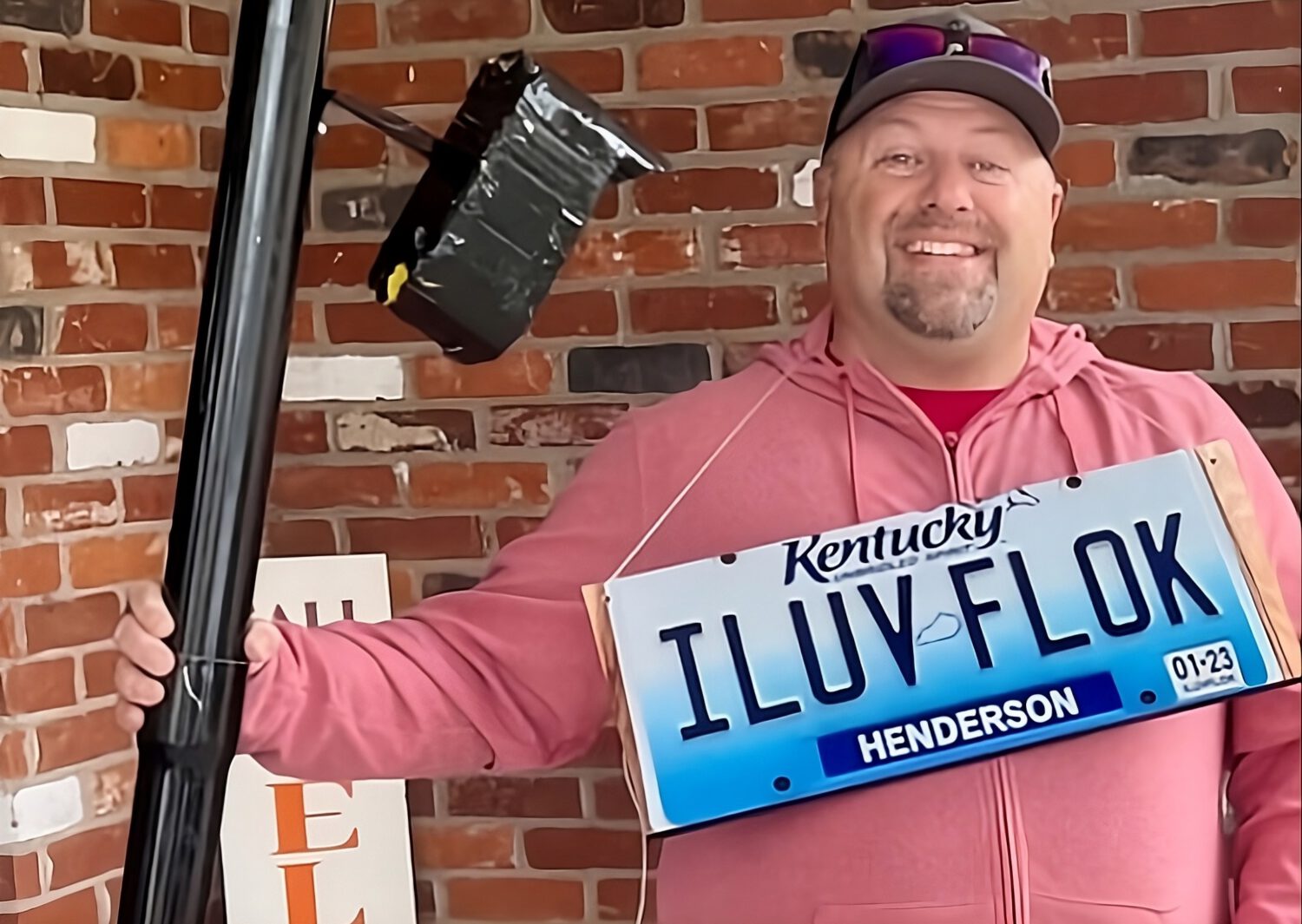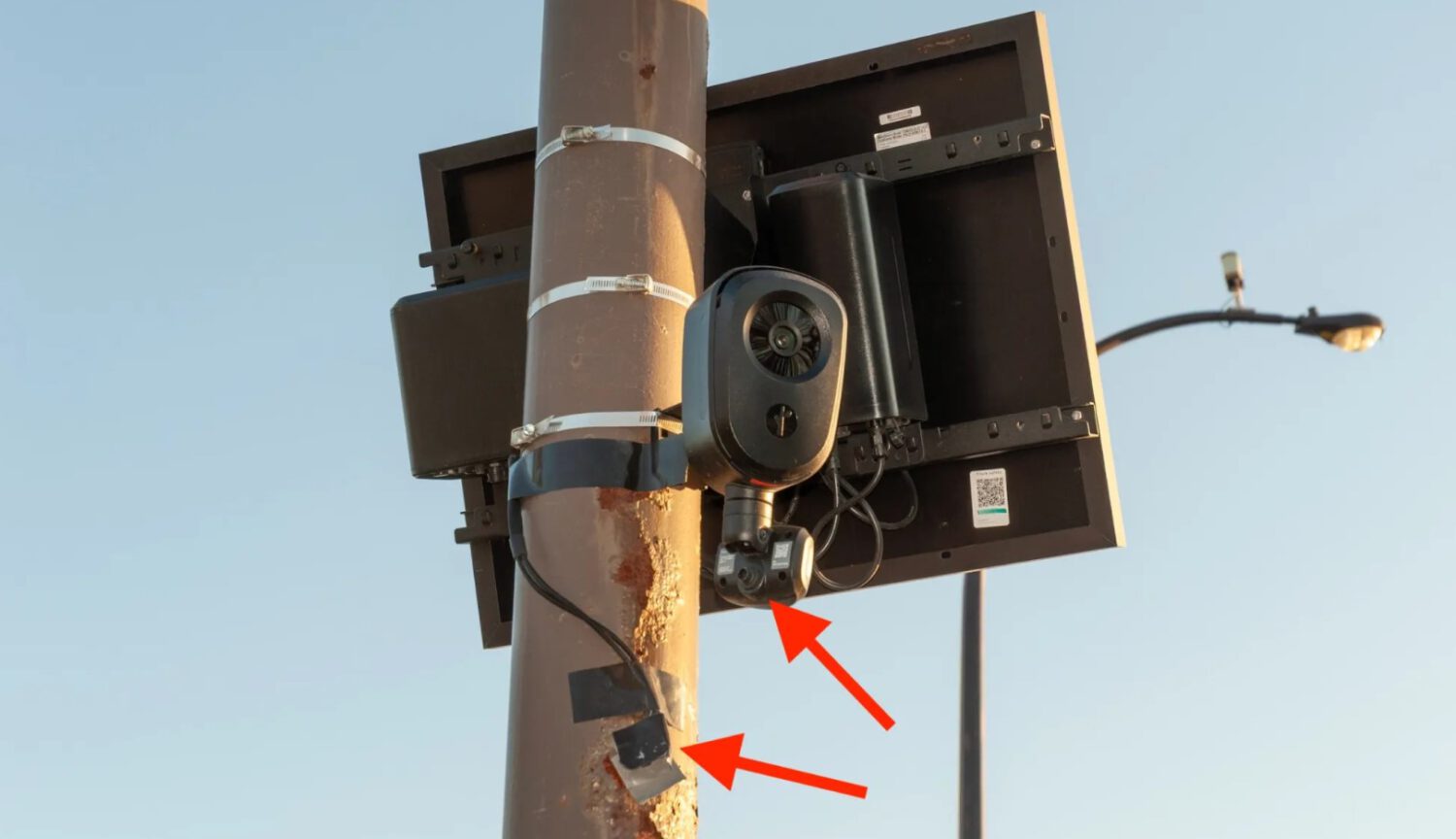
When Flock Safety did not respond to Plymouth’s formal contract cancellation for more than a week, Police Chief Eric Fadden directed staff to disconnect the cameras’ power cords. The cameras stayed mounted, because Flock owns the hardware.
Plymouth City Council voted on September 22, 2026, to end the city’s contract with Flock Safety, which operates a network of automated license plate reader (ALPR) cameras. Those cameras identify vehicles not only by plate number but also by make, model, color, and visible markings. The exact vote count was reported as unanimous in one account and 6–1 in another; official council minutes should be consulted to confirm the figure.
A Wrongful Stop and Data-Sharing Concerns Drove the Decision
Compounding privacy concerns, including a wrongful vehicle stop and worries about shared data, pushed the council toward cancellation.
The cancellation followed a wrongful vehicle stop involving a car reviewer and his wife, according to reporting by The Drive. An administrative error in California caused their vehicle to be incorrectly flagged as a suspect vehicle, and Plymouth officers pulled them over.
The incident illustrated concerns about how errors in interconnected databases can move quickly through a shared surveillance network. Before the council’s vote, Plymouth had been sharing Flock data with roughly 36 west-metro police departments. The city had already stopped sharing that data by the time council acted, a change The Drive connected to concerns about searches in northern counties for immigration-related purposes, according to the reporting and Chief Fadden’s account.
The Sequence: Accounts Suspended, Letters Sent, No Reply
Plymouth followed a careful paper trail, but Flock’s corporate and legal offices went quiet.
Plymouth suspended all local Flock user accounts on September 23 and notified the company of the council’s decision. The city then sent a formal cancellation letter by both email and mail after consulting its city attorney’s office.
Fadden told The Drive that the city received no response from Flock’s corporate or legal departments during that period, only contact from a local representative. He directed staff to disconnect the cameras’ power cords to ensure the devices were not functioning or capturing plate data.
A reporter subsequently checked two cameras and confirmed their power cords were unplugged. Fadden said Plymouth was still seeking a firm timeline for equipment removal, and Flock had not provided one at that point.
Dayton Faced a Similar Problem
A neighboring Minnesota city told Flock not to reinstall its cameras; the company reportedly did so anyway.
Plymouth is not alone. Dayton, Minnesota, paused its own Flock program and instructed the company not to proceed with a replacement or maintenance work order, according to Tom’s Hardware reporting. Dayton said Flock put the cameras back into service without authorization.
Dayton officials said the police department was informed and directed that the cameras be removed. Flock subsequently acknowledged Dayton’s cancellation and gave a reported 60-day estimate for equipment removal, but it is not established from available reporting whether either city pursued litigation or invoked specific contractual penalties.
The Contract Gap No One Planned For
When a vendor owns the hardware, canceling the subscription and reclaiming the infrastructure are two different problems.
Both cases point to the same structural problem. Ending a subscription service does not equal removing physical infrastructure when the vendor owns the equipment.
A city can revoke user access and physically disable devices. How quickly a vendor must respond, retrieve hardware, delete collected data, and face penalties for noncompliance depends on the contract and applicable law. Neither Plymouth nor Dayton has confirmed answers on all of those terms from available reporting, and Flock had not publicly explained the delayed response to Plymouth’s cancellation as of publication.