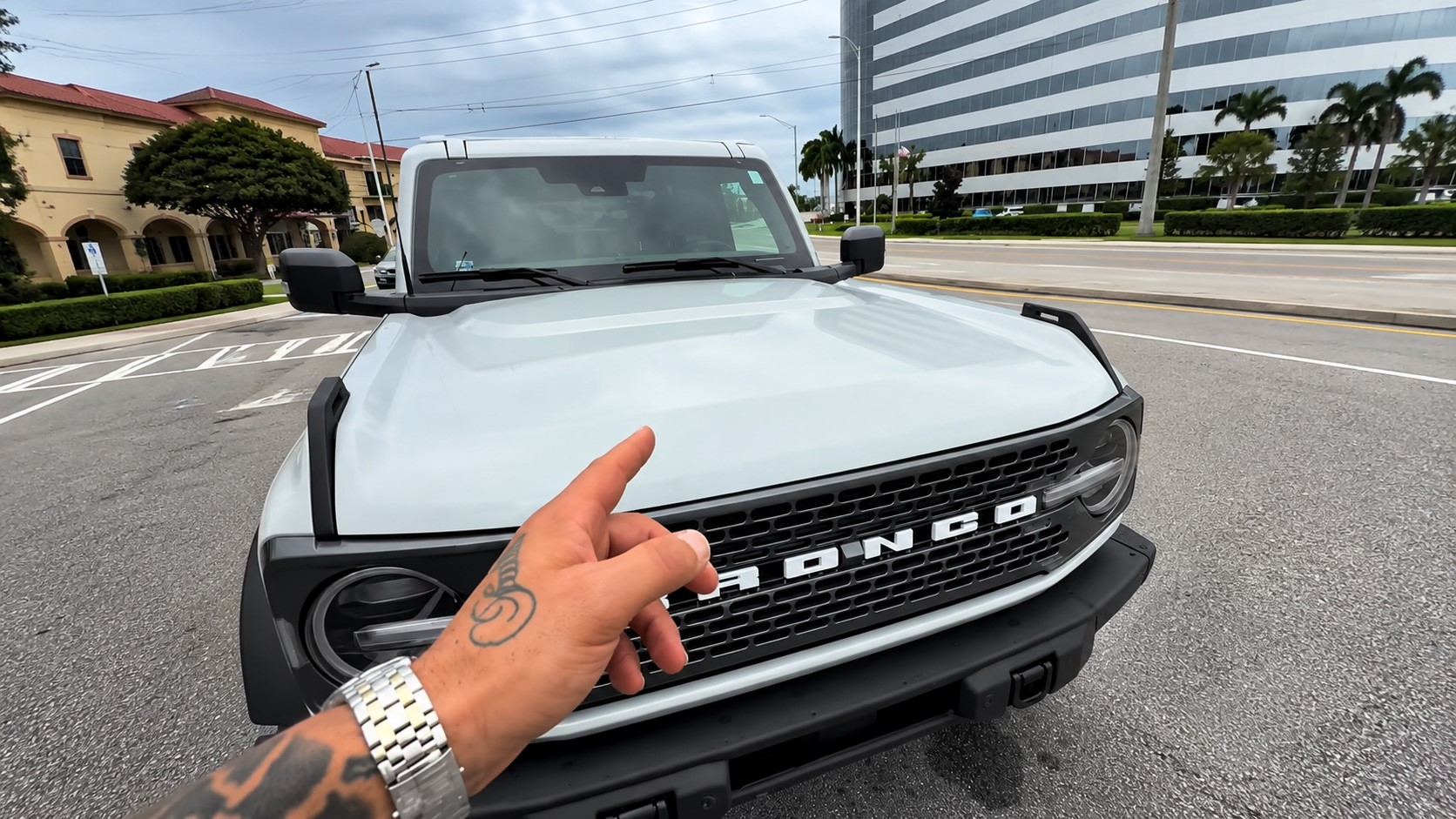
A TikTok creator named Scott Lubik posted a viral clip claiming his brand-new Ford Bronco — roughly 3,000 miles on it — was remotely shut down on a busy expressway after one missed payment. Ford has not publicly confirmed that happened. But here’s why millions of people believed it instantly: Ford already patented the exact system that would make it possible. You signed a loan, took delivery, and drove off the lot. The question nobody asked at the dealership is whether you actually control the thing.
The Patent Reads Like a Dystopian Escalation Ladder
Ford’s patent application, filed in 2021 and published in early 2023, describes a “repossession computer” that starts merely annoying and ends somewhere between Kafka and a repo thriller.
Reported by The Guardian and Bloomberg, the filing lays out a step-by-step punishment sequence for delinquent borrowers:
- First, the system disables “non-essential” features — radio, A/C, cruise control, power windows, seats.
- Then it pumps incessant unpleasant sounds through the speakers to pressure you into calling the lender.
- Still not paying? Full lockout — you cannot enter your own vehicle.
- For autonomous vehicles, the final stage: the car drives itself to the lender or a designated repossession lot.
Ford told Bloomberg the filing “does not necessarily indicate any forthcoming business or product strategies” and claims it has “no intentions to implement this” currently.
The catch: Ford doesn’t need the patent to disable vehicles remotely right now. Their existing anti-theft “start inhibit” system already lets Ford’s call center work with police to locate and shut down stolen cars over the air. The infrastructure exists. The patent just proposes expanding who gets to use it — and for what reasons.
You Already Don’t Own What You Think You Own
Starter interrupters are already standard practice in auto lending, and the regulations meant to protect borrowers haven’t caught up.
Remote lockout devices aren’t science fiction. Auto lenders have deployed GPS-linked starter interrupters for years, particularly with subprime borrowers. These are designed to prevent a car from starting — not kill power mid-drive — though safety concerns remain real. Some states have begun regulating them. Most haven’t. The rules governing whether a lender can strand you are still being written.
Remember when John Deere told farmers they couldn’t repair their own tractors? That same logic is creeping into your commuter vehicle. You can’t modify your car’s software without voiding warranties. Some manufacturers lock heated seats and driver-assist features behind monthly subscriptions. Your vehicle reports your location by default. Lubik’s TikTok resonated because it made abstract anxiety suddenly, viscerally concrete.
The WEF’s “you’ll own nothing” phrase — drawn from Danish politician Ida Auken’s 2016 speculative essay imagining a 2030 subscription economy — was framed as a thought experiment. Critics now point to remote kill switches and software-gated car features as proof the experiment is already running, regardless of anyone’s stated intentions.
The question worth sitting with isn’t whether Ford flips this switch tomorrow. It’s whether the infrastructure for remote repossession should exist inside a car you supposedly bought outright. That patent opened the conversation. A viral TikTok, verified or not, just made sure millions more people are having it.
Update July 28 2026: A spokesperson has reached out to us with the following statement:
This is not accurate. Ford Motor Company and Ford Credit have never remotely disabled a vehicle for nonpayment, nor do we provide third-party lenders with the capability to do so.
Start Inhibit is a separate feature, available for certain equipped vehicles as part of our Ford Security Package. It allows owners of certain equipped vehicles to digitally “brick” their vehicle in situations where they don’t want anyone else to start it; for example, in long-term parking at the airport.
Notably, the Bronco vehicle featured in the video is not equipped with any kind of Start Inhibit functionality.