Moving a surveillance camera onto private property does not make it stop watching the same road. That is reportedly what happened in Polk County after Florida’s Department of Transportation drew a jurisdictional line on Aug. 31, 2026.
The Order Said “Move the Hardware.” It Did Not Say “Stop Looking.”
The gap between where a camera sits and what it sees turns out to be wide enough to drive through.
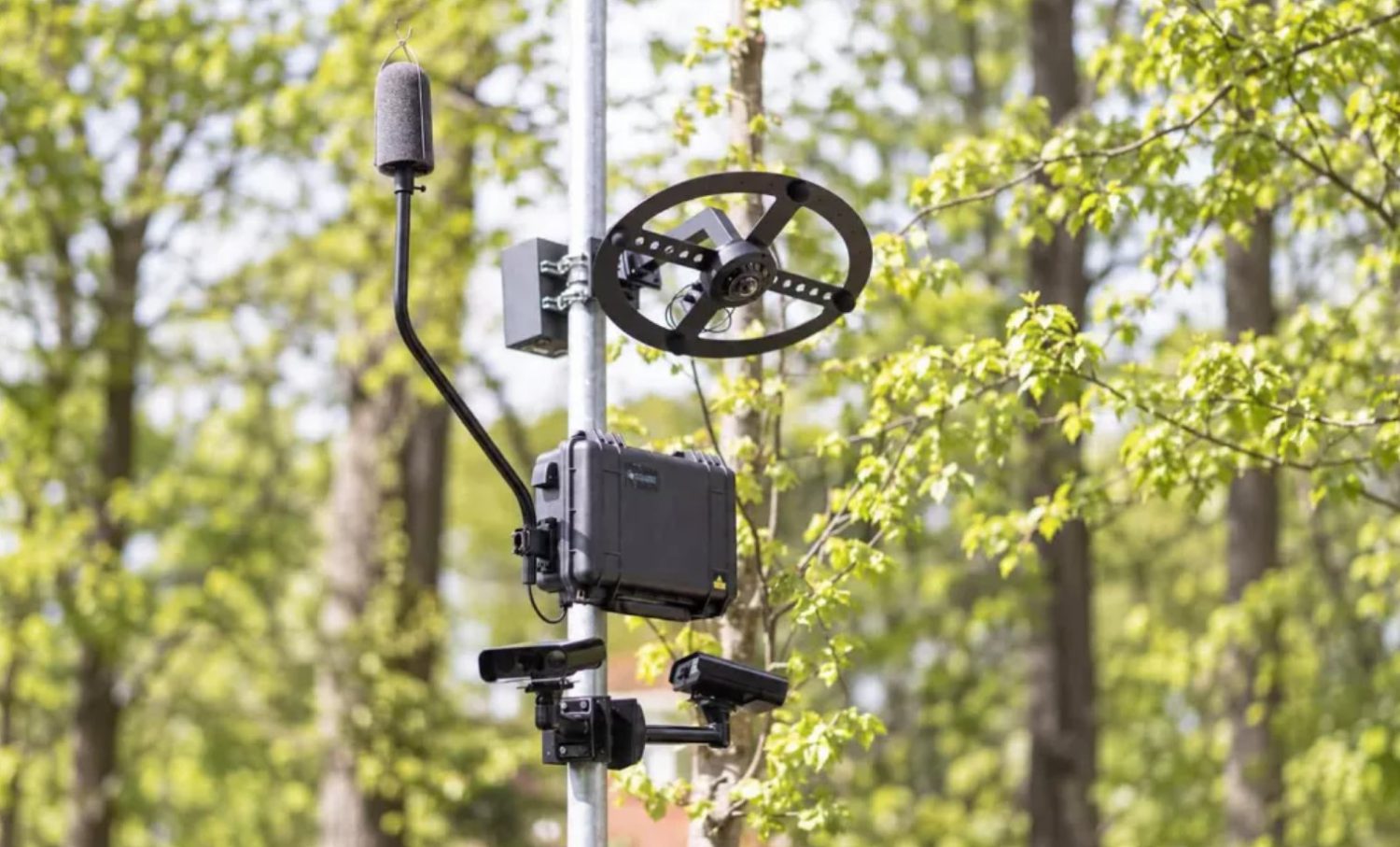
ALPR cameras do one thing with unsettling efficiency: they photograph your vehicle, read your plate, and log where you were and when. Over time, that data becomes a searchable record of your movements.
FDOT’s Engineering and Operations Memorandum No. 26-01 revoked all existing permits for ALPR equipment in state highway rights-of-way, according to reporting by recordinglaw.com and WFTV. Agencies had until Sept. 30 to remove the hardware or risk FDOT pulling it themselves. What the order did not cover: cameras on county roads, municipal streets, or private property.
That carve-out is significant. It is also, apparently, a workable gap.
Compliance on a Technicality Is Still a Choice
Removing hardware from a state road and ending a surveillance program are not the same thing.
Polk County Sheriff Grady Judd publicly stated his office would comply with the directive and remove Flock cameras from state rights-of-way within the 30-day window, according to The Ledger. He also defended the technology, describing Flock cameras as less intrusive than body cameras, the outlet reported.
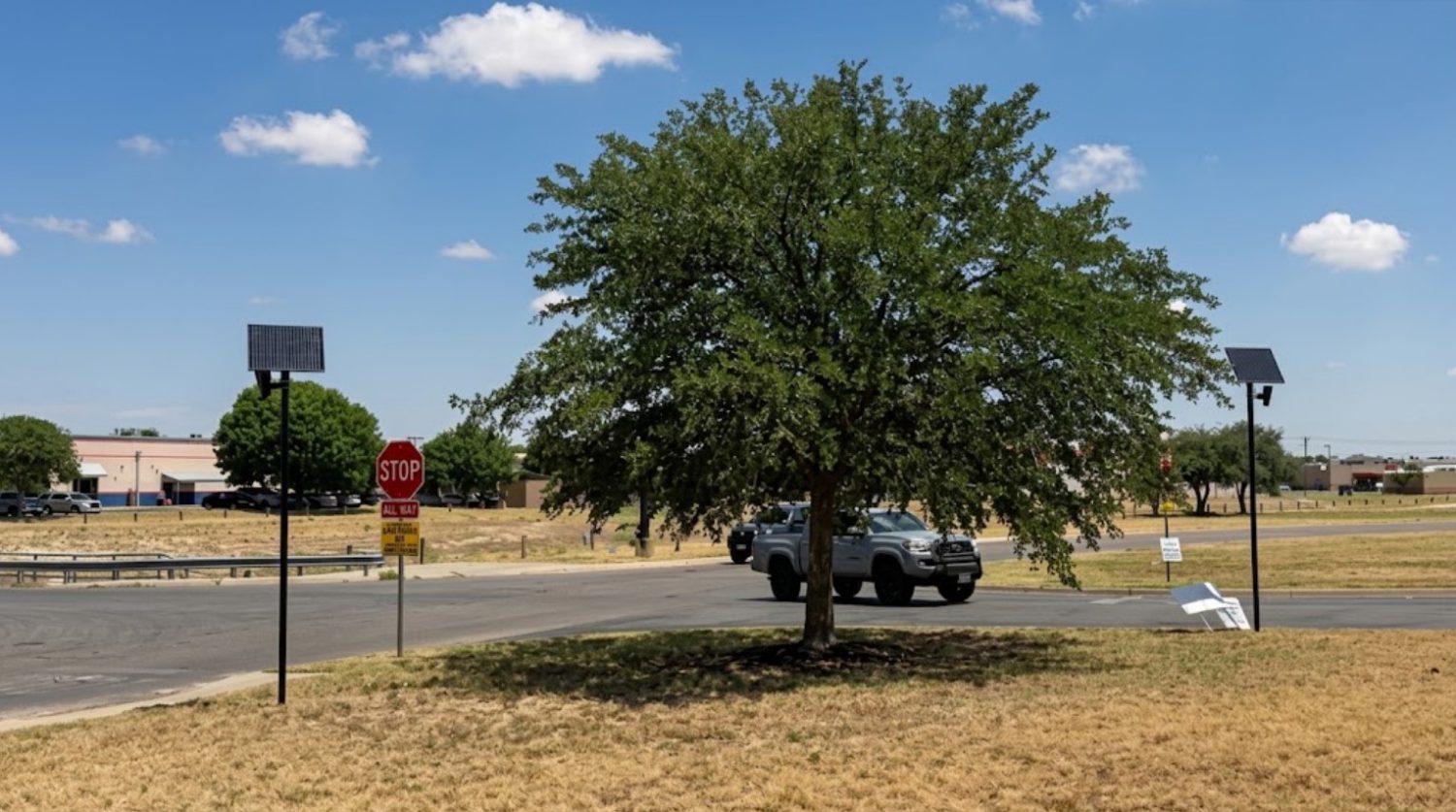
According to The Ledger, some cameras were reportedly moved to private property while continuing to scan vehicles traveling on the same state road. Property-owner consent, precise camera locations, applicable agreements, and FDOT’s position on the arrangement all remain unverified. The Ledger’s reporting does not establish that the arrangement is illegal. What it does raise is a straightforward question: if the camera still captures the same road, did anything meaningful change?
Think of it like a bar moving its bouncer two feet past the property line: the door policy did not change, only the address.
Other Agencies Chose a Different Path
Several counties went further than the state required, treating the FDOT order as a reason to step back from the technology entirely.
Jacksonville Sheriff’s Office discontinued LPR use across all of Duval County, according to First Coast News. Putnam County ordered its cameras disconnected and removed entirely. Liberty County began ending its contract with Flock Safety, according to the Miami Times Online.
Hernando County drew a cleaner line: it removed cameras from public rights-of-way while noting that roughly 20 privately owned ALPRs on commercial properties were unaffected by the order, according to WFLA. Ending a program is not a hypothetical response. Multiple agencies just did it.
The Surveillance Database Does Not Move When the Camera Does
The questions that matter most are not about where the pole is planted.
If a relocated camera still feeds the same data network and your plate still gets logged, the practical effect on you as a driver is zero. Florida residents deserve concrete answers: Is the camera connected to the same account? How long are records kept? Can residents access placement maps or contracts? Does FDOT consider scanning a state road from a private property line to fall within the memo’s intended scope?
Those are not rhetorical questions. They are the baseline of a transparent public-safety program.
A camera on private property pointing at a public road is still a surveillance program. The address changed; the obligation to the public did not.