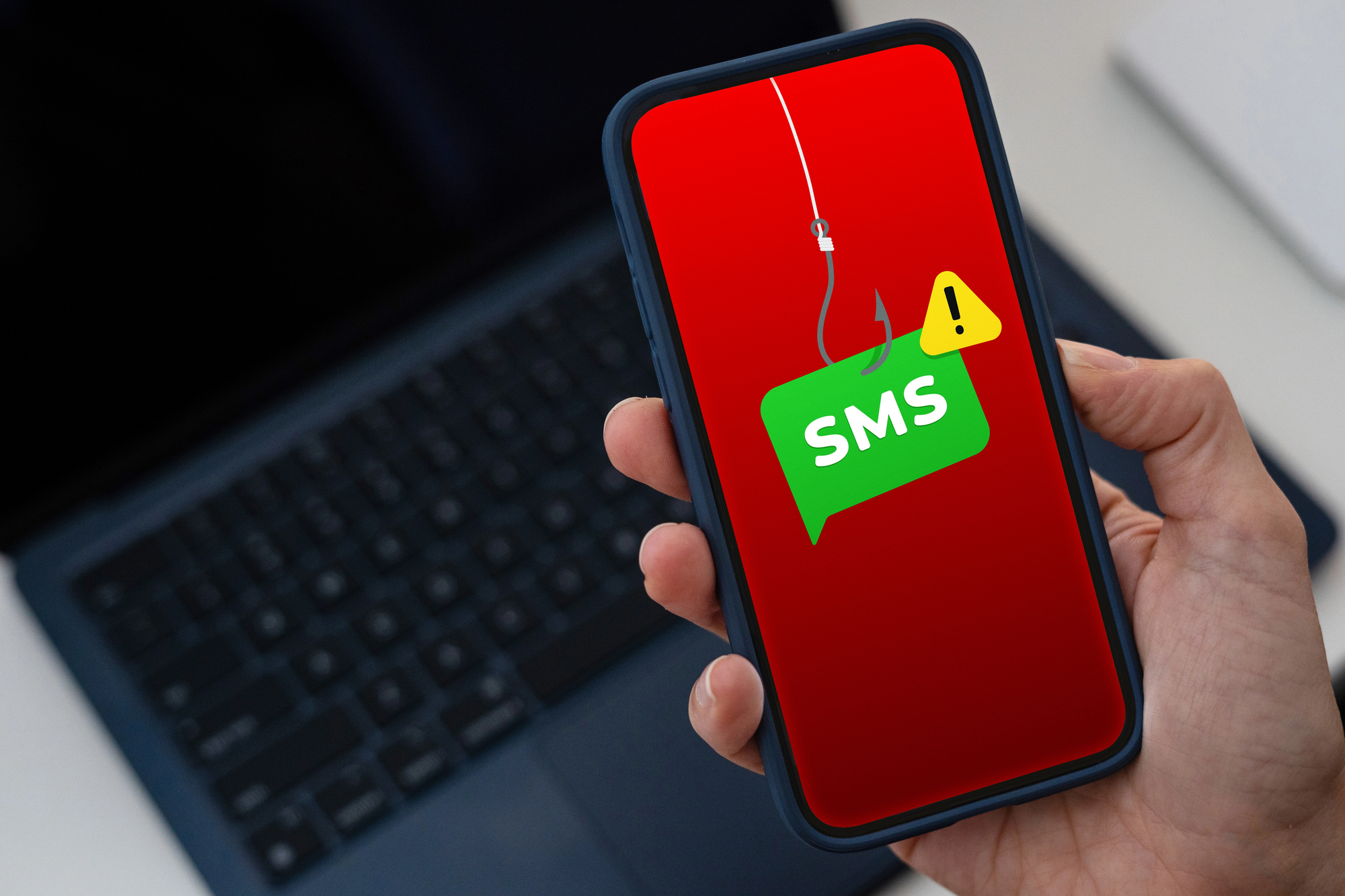
Your phone buzzes with an urgent message about unpaid DMV fines and imminent license suspension. The text looks official, complete with legal-sounding phrases and a convenient payment link. Delete it immediately—it’s fraud.
Scammers Impersonate State DMVs
Scammers are bombarding drivers across Colorado, Texas, and Hawaii with fake DMV texts demanding immediate payment for supposed violations. These messages use intimidating language like “immutable credential endorsement,” “statutory suspension,” and “registration voidance” to sound legitimate. They typically threaten 30-day license suspensions or 35% penalty surcharges unless you click their malicious links and pay up fast.
The texts direct victims to fake payment portals designed to harvest credit card numbers, Social Security information, and banking details. Like a Netflix phishing email but with the added terror of losing your driving privileges, these scams exploit your natural fear of government consequences.
State Officials Confirm: We Don’t Text
Colorado’s DMV explicitly confirms they never send unsolicited texts demanding payment or threatening suspension. “Public awareness is our strongest defense,” says Electra Bustle, the agency’s senior director. Legitimate DMV business happens through dmv.colorado.gov or by calling 303-205-5600.
Hawaii officials emphasize that no “Hawai’i DMV” even exists—their judiciary handles traffic fines exclusively through U.S. mail. Texas authorities report similar scam activity targeting their residents with equally bogus demands.
Recent Surge Targets Even Police Officers
Hawaii police report fresh waves hitting Hilo and Kona in recent weeks, with even law enforcement officers receiving these fraudulent texts. Colorado’s monitoring the situation with help from the Governor’s Office of Information Technology and law enforcement partners.
The sophistication level keeps climbing. These aren’t the clumsy “Nigerian prince” emails of yesteryear—they’re crafted to trigger immediate panic and bypass your usual skepticism.
How to Protect Yourself
Never click links in unsolicited government texts, even if they look authentic. Delete the messages without responding—any interaction confirms your number as active. If you’re genuinely concerned about DMV issues, contact official agencies directly through verified websites or phone numbers.
Already clicked a link? Scan your device for malware and monitor financial accounts closely. Report these scams to ic3.gov or reportfraud.ftc.gov with screenshots and sender details. Your vigilance helps authorities track these operations and protect other drivers from falling victim.
Remember: real government agencies still believe in old-fashioned mail for serious business. Your smartphone isn’t their preferred collection agency.