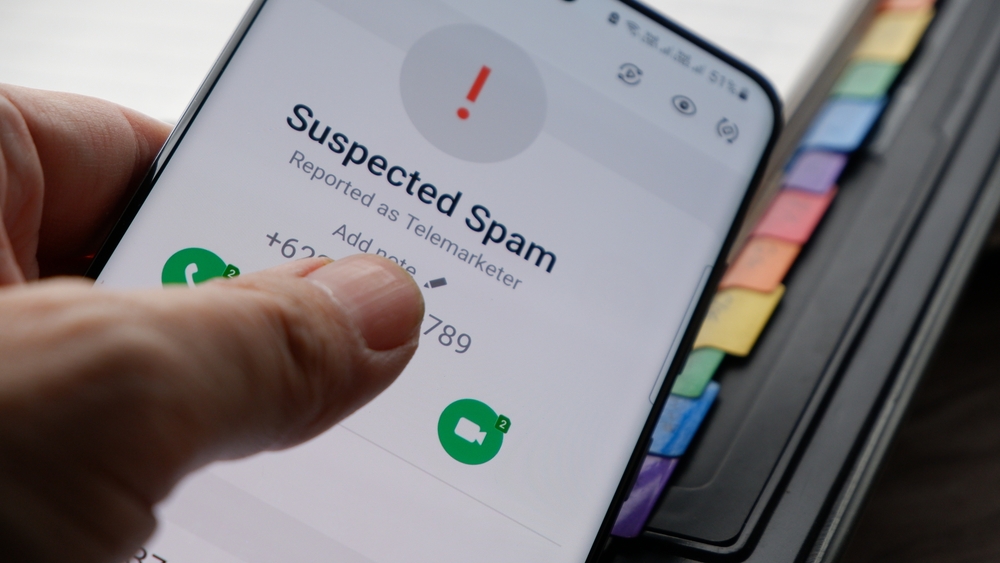
Urgent voicemails about “expiring medical alerts” flood senior phone lines daily, but recognizing the manipulation stops the scam cold. These predators bilked seniors out of $29 billion in 2021 alone, averaging $502 per victim who fell for fake offers of “free” emergency devices. You’re not helpless against this assault—knowing their playbook turns the tables. Understanding the warning signs and proper responses protects both you and your loved ones from these increasingly sophisticated threats.
The Phone Rings With Fake Urgency
The robotic voice claims your medical alert service expires today, emergency responders have been notified, or a family member already paid for your device. These pre-recorded messages demand you “press one” for immediate pickup, using spoofed local caller IDs to appear legitimate.
Real medical alert companies never cold-call customers with threats or pressure tactics, according to Alert1, which maintains an A+ Better Business Bureau rating. They don’t impersonate Medicare representatives or claim you’re eligible for free devices based on government programs. Hang up immediately—no exceptions, no matter how urgent the message sounds.
Legitimate Providers Play by Different Rules
Authentic providers like Alert1 require you to initiate contact, maintain official websites with customer reviews, and earn endorsements from AARP or AAA. They offer free equipment with paid monitoring services, but never through unsolicited calls demanding credit card details or Social Security numbers for “shipping costs.”
Minnesota’s Attorney General warns that scammers also operate through fake devices sold on eBay or Facebook Marketplace—non-functional gadgets with zero monitoring capability. Some fraudsters even bundle worthless “grocery savings certificates” to make their offers appear more legitimate while collecting your personal information.
When Scammers Strike, Strike Back
If you’ve shared financial information, contact your bank and credit card issuers immediately to report potential fraud. Change all passwords, place fraud alerts on credit reports, and monitor statements for unauthorized charges. Consider freezing your credit reports to prevent new accounts from being opened in your name.
Report the scam to the FTC with call details and numbers to help authorities track these operations. Your Do Not Call Registry registration won’t stop these criminals, but call-blocking apps help filter future attempts. If you already have a medical alert device, verify any concerns by calling the number on your original paperwork—never trust incoming calls demanding credit card details or Social Security numbers.
Your medical alert device should provide peace of mind, not become the gateway for financial predators. Trust your instincts—legitimate emergency protection never arrives through high-pressure sales calls demanding immediate action.