Your coffee run shouldn’t cost you more than caffeine money. Yet scammers are exploiting contactless payments with increasingly sophisticated tricks that turn convenient taps into unauthorized charges. Reports indicate a surge in NFC-based fraud targeting the very technology that made payments faster and safer during the pandemic.
The Bump-and-Grab Reality
Crowded spaces become hunting grounds for contactless card thieves using hidden readers.
Scammers favor crowded festivals, transit stations, and busy markets where “accidental” bumping feels natural. They conceal NFC readers in bags or clothing, secretly tapping your wallet or purse to trigger unauthorized transactions.
The sweet spot? Charges under $50 that bypass PIN requirements entirely. These criminal networks understand payment limits better than most cardholders do, keeping individual thefts small enough to avoid immediate detection while hitting multiple victims.
When Terminals Turn Malicious
Advanced threats include relay attacks and tampered payment devices spreading through social media warnings.
NFC relay attacks represent the tech-savvy evolution of card fraud. Hidden devices capture your card’s signal and instantly relay it to distant terminals, completing transactions while your card never leaves your pocket.
Terminal tampering—like stickers covering legitimate readers or disabled contactless forcing risky swipes—circulates widely on TikTok, though verification remains spotty. According to security experts, encryption and tokenization provide strong defenses, but awareness beats any single protection method.
Red Flags That Demand Attention
Unusual crowding and suspicious payment setups signal potential scam attempts.
Trust your instincts when vendors seem evasive about displaying transaction amounts or business names. Damaged terminals, mysterious stickers, or rushed payment processes deserve skepticism.
Repeated small charges appearing on statements often indicate testing behavior—scammers probe card validity before attempting larger theft. That charity collector bumping through concert crowds? Verify their legitimacy before any “quick donation” taps.
Your Strongest Defense Arsenal
Mobile wallets provide superior security while RFID blocking adds physical protection layers.
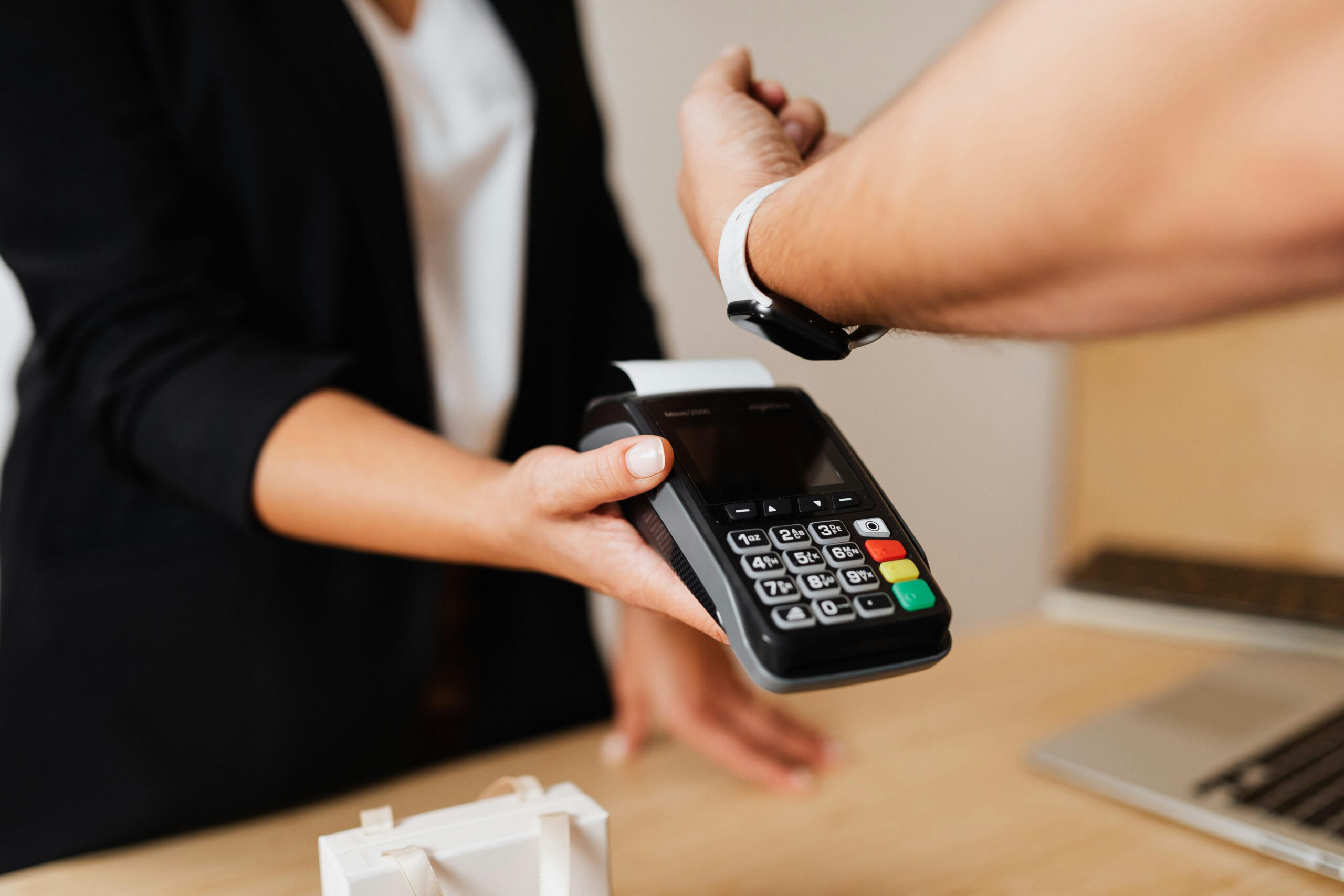
Your phone’s biometric locks deliver protection that physical cards can’t match. Apple Pay and Google Wallet require Face ID or fingerprint authentication, plus real-time bank monitoring that catches fraud faster than traditional card networks.
Consumer Reports recommends enabling transaction alerts immediately—scammers sometimes use small charges to test stolen credentials. RFID-blocking wallets provide backup protection, though mobile payments remain inherently safer than exposed plastic cards.
Contactless payments stay secure when you stay alert. Report suspicious charges within 60 days to maintain zero liability protection, monitor statements weekly, and remember that convenience doesn’t require carelessness. The technology works when you do.