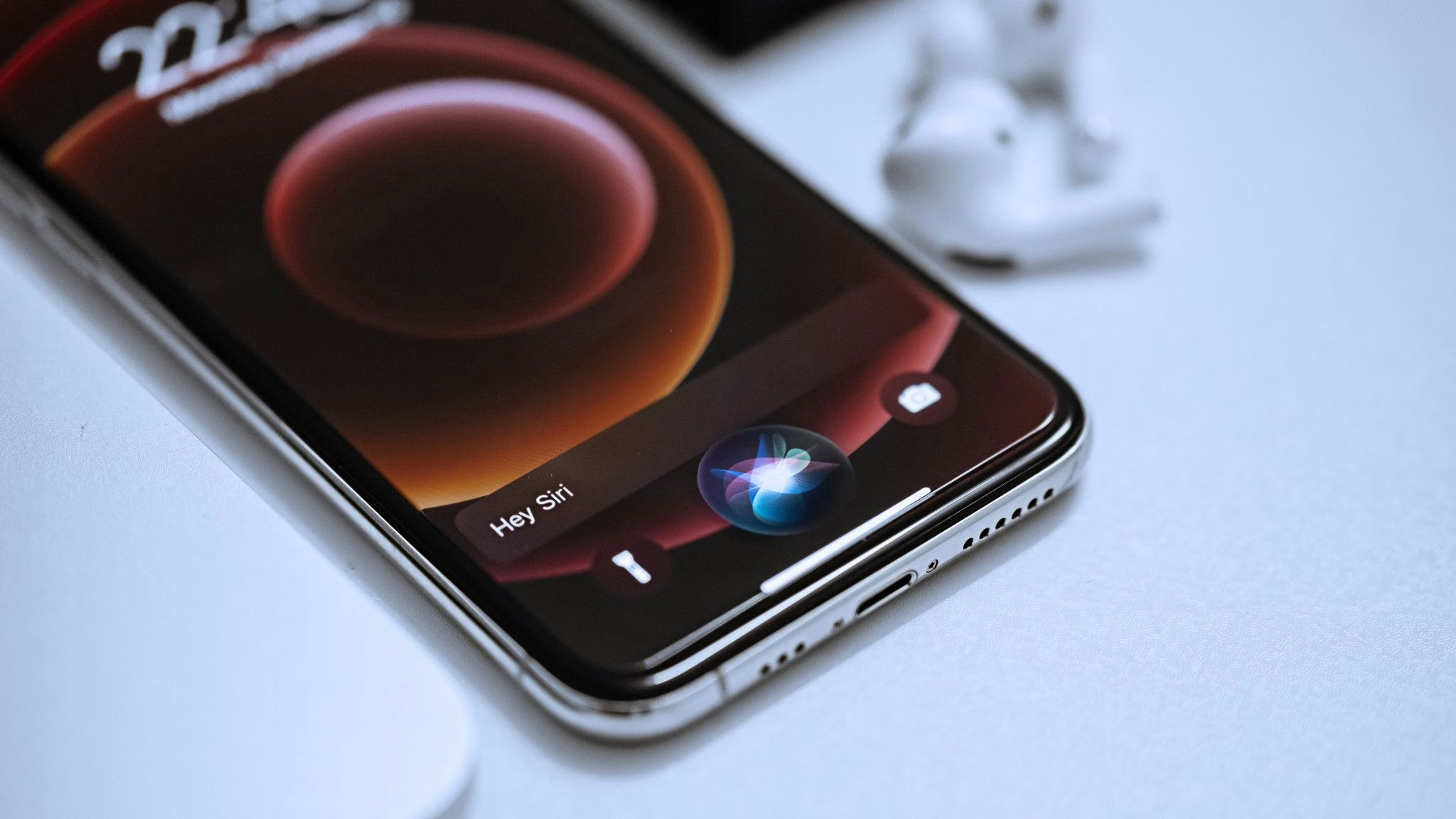
Talking to Siri in crowded coffee shops feels awkward—everyone knows this. Apple just spent nearly $2 billion solving that problem by acquiring Q․ai, a secretive Israeli startup that reads facial micro-movements and interprets whispered speech. This deal ranks as Apple’s second-largest acquisition after Beats, signaling that silent communication represents the next battleground in consumer AI.
You won’t need to vocalize commands anymore; a slight lip movement or subtle facial gesture will control your AirPods, Vision Pro, or future smart glasses.
Reading Between the Lines (Literally)
Q․ai’s technology transforms involuntary facial movements into device commands through advanced machine learning.
Q․ai’s core innovation lies in interpreting the micro-movements your face makes when you think about speaking—those tiny muscle contractions that happen before words form. The company’s machine learning algorithms can detect these subtle cues through cameras in headphones or glasses, essentially reading your intent to communicate.
Combined with their “silent” speech recognition that works with whispered or mouthed words, this technology creates genuinely hands-free interaction. Think of it as mind-reading, but grounded in measurable facial biomechanics rather than sci-fi fantasy.
The PrimeSense Playbook Returns
Apple reunites with CEO Aviad Maizels, whose previous company powered Face ID technology.
This acquisition follows Apple’s proven acquisition strategy perfectly. Maizels previously led PrimeSense, which Apple bought for approximately $350-360 million in 2013—that technology became the foundation for Face ID. “Apple has always been a symbol for me of magical products,” Aviad Maizels commented on the deal.
Apple’s Johny Srouji praised Q․ai as “pioneering new and creative ways to use imaging and machine learning.” The 270-person team joins Apple with nearly $1 billion in collective payouts, suggesting this isn’t just talent acquisition but technology Apple desperately needed for its wearables roadmap.
Voice-Free Future
Silent input technology positions Apple ahead of competitors in the AI hardware race against Google and Meta.
Your next Apple Watch or AirPods update might eliminate the need for “Hey Siri” entirely. This technology enables completely silent interaction with AI assistants—perfect for meetings, libraries, or anywhere speaking aloud disrupts others. As Tom Hulme from Gradient Ventures noted, “For decades… the machine finally learns to understand us.”
Apple’s timing isn’t coincidental; competitors like Meta and Google are racing toward similar hands-free AI experiences. Q․ai’s facial recognition capabilities could transform everything from taking photos with a wink to controlling smart glasses devices through subtle head nods.
The result? Your relationship with technology becomes as natural as thinking itself.