Your next electric vehicle might have more Chinese DNA than you realize. While politicians debate tariffs and Tesla dominates headlines, Chinese EV manufacturers are quietly mapping alternative routes to American driveways. Forget the fantasy of BYD showrooms sprouting up next to Ford dealerships—the real story is happening in boardrooms where partnerships are reshaping who actually builds your car.
The Backdoor Strategy That’s Already Working
Established automakers are becoming conduits for Chinese EV technology and manufacturing expertise.
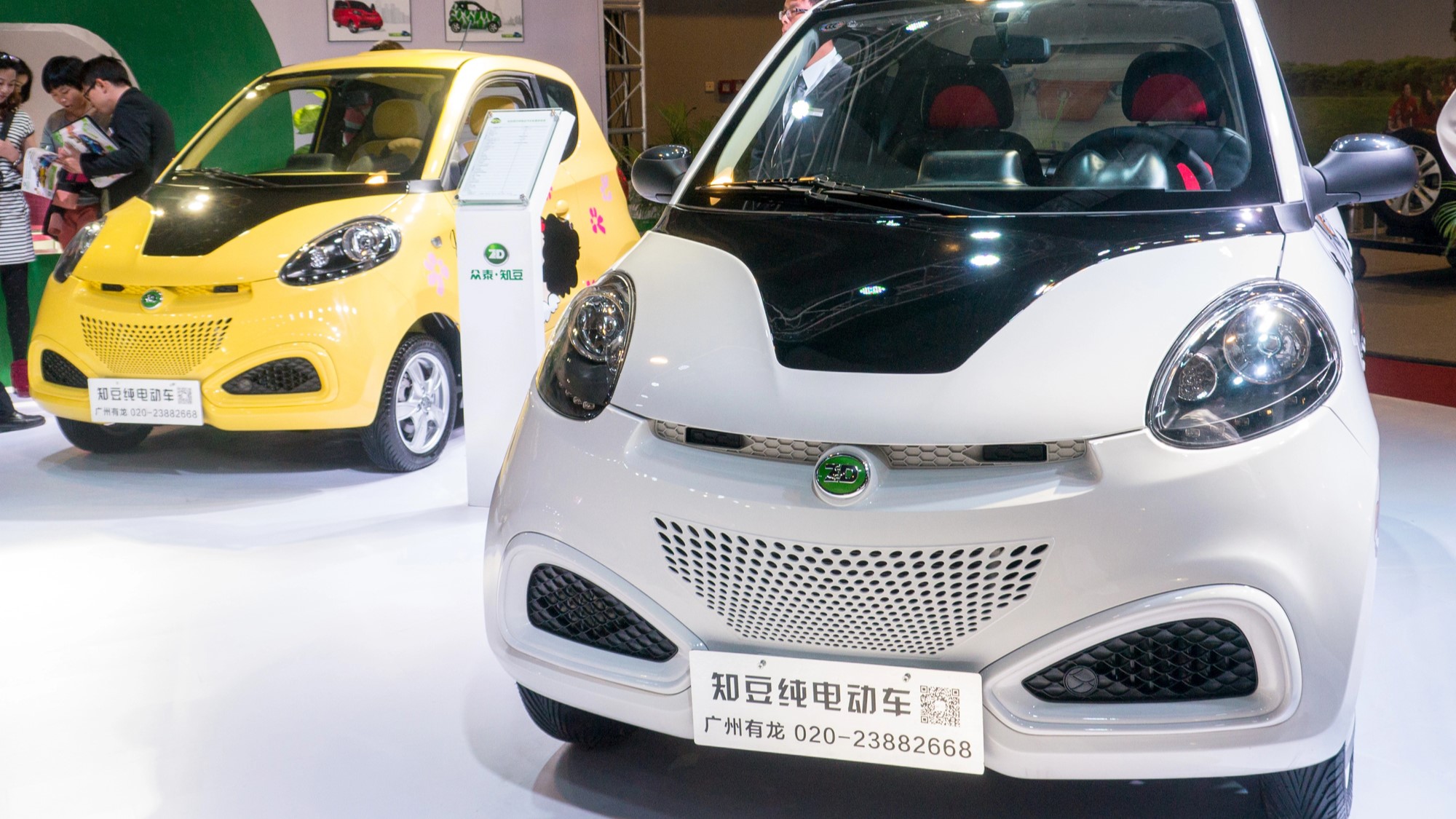
Direct imports remain political kryptonite, but Chinese automakers aren’t sitting idle. They’re employing the Trojan horse approach: North American manufacturing through joint ventures and strategic partnerships. Geely’s control of Volvo and Polestar already puts Chinese-backed EVs in U.S. driveways. Stellantis’ recent stake in Leapmotor signals more automakers embracing this strategy.
These partnerships solve the tariff puzzle while sidestepping national security concerns about connected car systems. When a “European” Polestar or “American” Stellantis vehicle rolls off the line, regulators focus less on the underlying Chinese investment and technology transfer.
Consumer Demand Meets Regulatory Reality
Market appetite exists, but political barriers force creative entry strategies.
Here’s the plot twist: American buyers are surprisingly open to Chinese vehicles. A Kelley Blue Book study found 38% of Americans would consider purchasing a Chinese car if given the choice. That’s roughly 100 million potential customers locked behind regulatory walls.
The regulatory maze includes more than tariffs. Software restrictions, connected-system oversight, and supply chain scrutiny create additional hurdles. Chinese manufacturers are responding by localizing production and forming partnerships that distribute risk across multiple countries and companies.
The 2030 Timeline Reality
Competitive pressure may force U.S. automakers into partnerships they’d rather avoid.
Industry analysts predict some form of Chinese EV presence on American roads by decade’s end—not through dramatic market invasion, but gradual integration. Like watching your streaming service slowly fill with international content, the transition will feel inevitable in hindsight.
Detroit faces a choice: partner with Chinese manufacturers to access cost advantages and battery technology, or risk falling further behind in the global EV race. Ford and GM already maintain significant Chinese operations, suggesting the manufacturing DNA is already mixing.
The question isn’t whether Chinese EVs will influence American car buying—it’s whether you’ll recognize their fingerprints when they arrive.