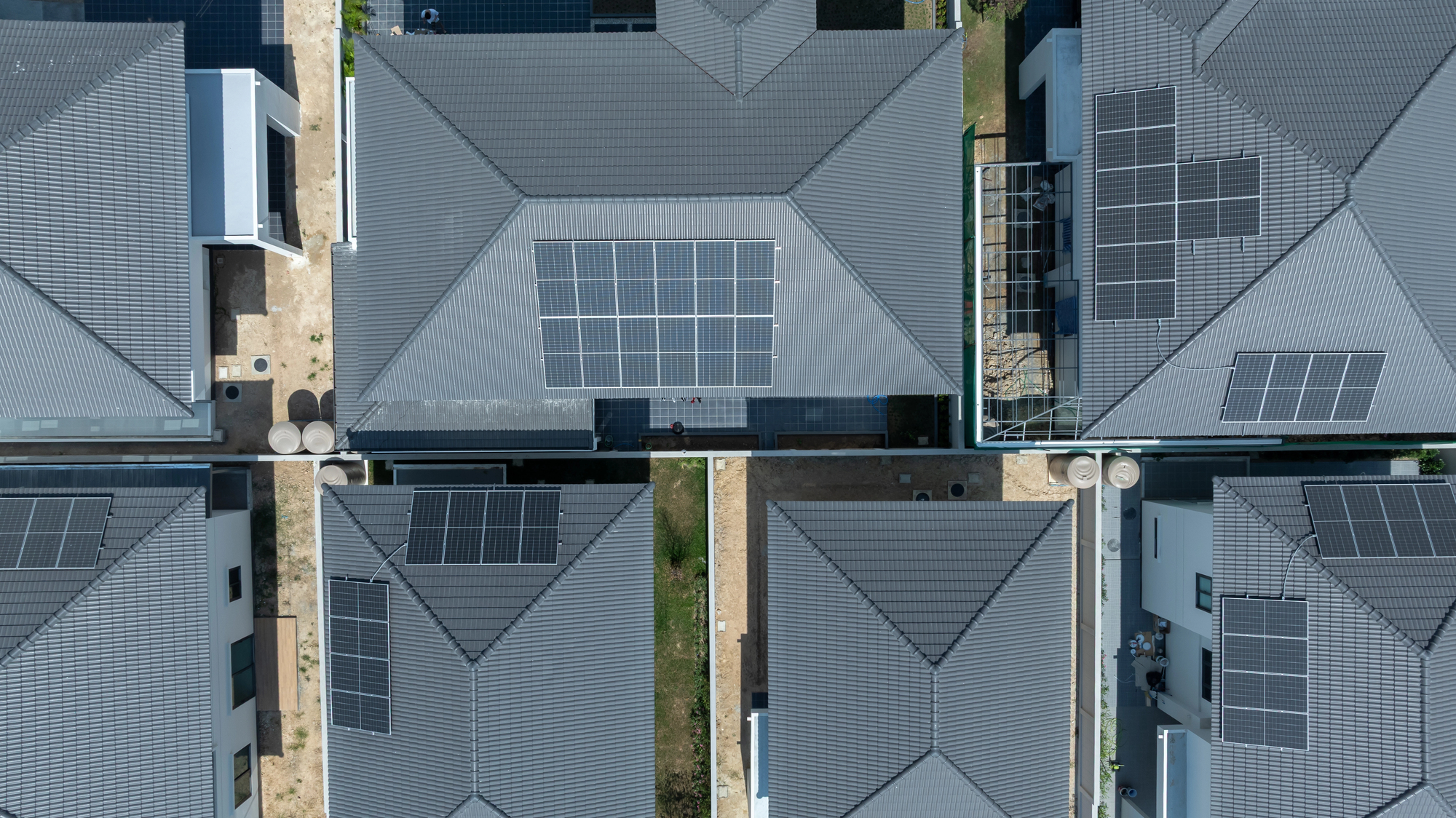
Australia produces so much midday solar that wholesale electricity prices routinely crash to zero. Sometimes below it. The federal government’s response? Make free electricity mandatory. Starting 1 July, the Solar Sharer scheme requires retailers in NSW, South Australia, and south-east Queensland to offer households three hours of free daily power. Victoria follows with its own Midday Power Saver on 1 October. Whether this actually shrinks your bill depends entirely on what you do between 11 am and 2 pm.
What Solar Sharer Actually Is
The grid has a solar hangover at midday, and this policy is the aspirin.
You know the “duck curve” — that grid demand chart with a deep midday trough caused by rooftop solar flooding the system. Australia’s version looks less like a duck and more like a sinkhole. So the Australian Energy Regulator baked free-power windows directly into the Default Market Offer framework. Too much solar, prices collapse, policy redirects demand. Simple cause and effect.
Here are the key details:
- Free window: 11 am to 2 pm in NSW and SE Queensland; 12 pm to 3 pm in South Australia
- Cap: 24 kWh free per day — roughly a full day’s usage for a five-person household, according to the AER
- Eligibility: smart meter required, DMO region only, retailer must serve 1,000-plus customers, no embedded networks, opt-in only
- Victoria launches a parallel Midday Power Saver scheme from 1 October
- Only about 60 percent of homes currently have smart meters, according to analysis by The Conversation — the rest are locked out for now
Who Actually Benefits – And Who Should Be Careful
Households with flexible midday energy use stand to gain the most, but eligibility conditions determine whether savings actually materialise.
Households with EVs, home batteries, electric hot water systems, or pool pumps are practically the target audience for this scheme. Work-from-home households can pre-cool rooms and run appliances during the free window like it’s a daily appointment with cheap electrons. Renters without rooftop solar — previously shut out of cheap midday prices — finally get a seat at the table, as Minister Chris Bowen has emphasised.
“We don’t want to have people signing up to these plans assuming it will decrease their bills, when in fact it could do the opposite.” — Energy Consumers Australia
Retailers will likely raise rates outside the free window or cut solar feed-in tariffs to recover lost revenue. Independent consultant Tim Forcey argues households must genuinely assess whether they can shift enough consumption into that midday slot to come out ahead. Solar Sharer is a regulated benchmark — not automatically the cheapest plan on the market. AGL’s “Three for Free” and GloBird’s daytime offers already exist as competitive alternatives worth comparing before you commit.
The scheme could accelerate smart meter adoption, battery investment, and automated load-shifting across the grid. Treat the free window like a daily calendar block, not a passive discount. If reorganising your energy habits around those three hours isn’t realistic, this plan might leave you paying too much compared to your current one.