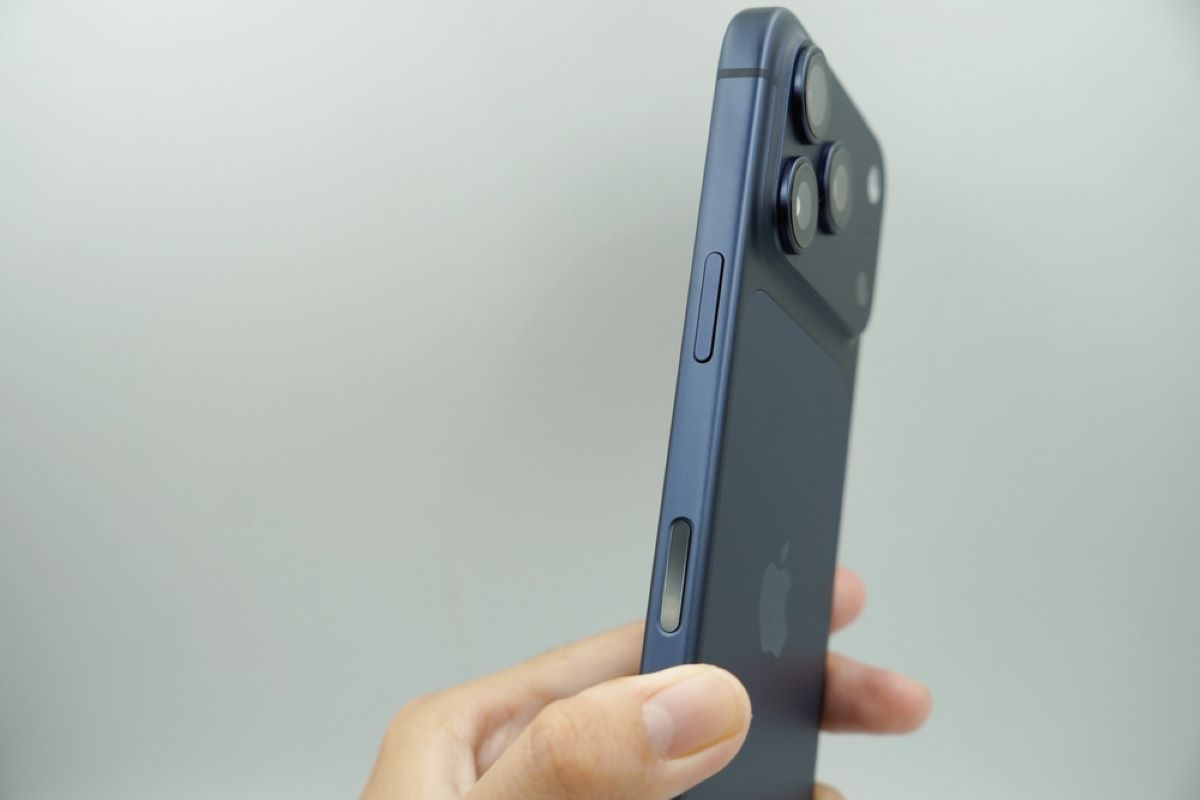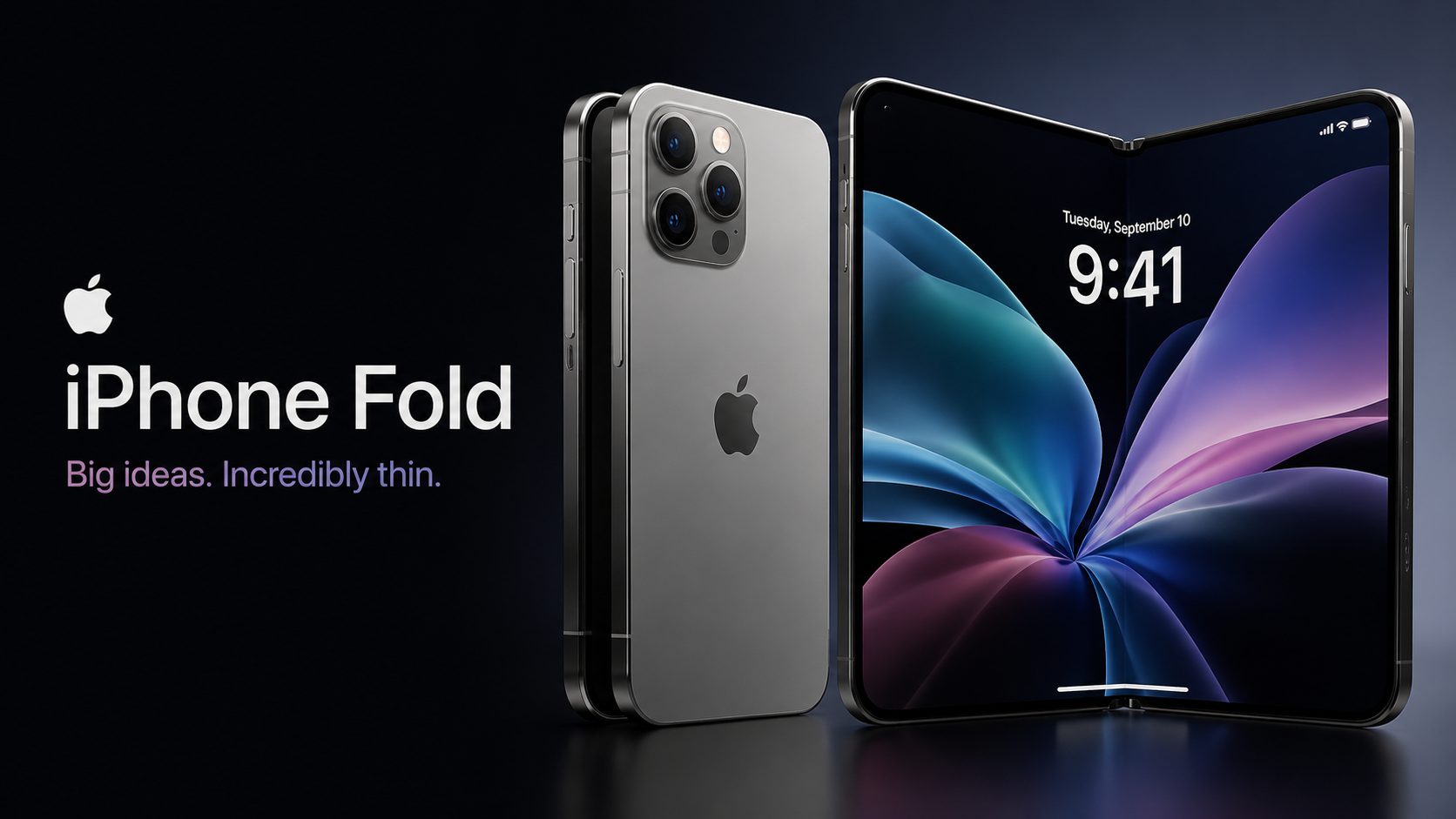
A $2,000 phone worth $708 twelve months later. That’s the scenario resale marketplace SellCell mapped out when it applied current foldable depreciation rates to Apple’s rumored iPhone Fold. The kicker? Apple carries the strongest resale track record in the smartphone industry. Foldables, meanwhile, are the single worst category for holding value. Those two facts are about to collide in a very expensive way.
The Foldable Tax Nobody Mentions
Across every major brand, foldable phones shed value faster and harder than their slab-shaped siblings.
Foldables lose an average of 64.6% of their value within a year, according to SellCell’s analysis published in June 2026. Traditional flagships lose 55.3%. In raw dollars, that gap means foldable owners absorb roughly $997 in depreciation versus $605 for slab-phone buyers — a $392 penalty just for the hinge. If you’re paying too much without realizing it, foldable depreciation is a prime example. The Samsung Galaxy Z Fold6 1TB sits at the bottom of the pile, shedding $1,479.99 in twelve months alone.
Five of the six largest value drops in SellCell’s entire dataset came from foldable devices. “Foldables lose more resale value in their first year than any other smartphone category,” SellCell’s analysis states.
Apple’s historical numbers tell a different story — for now. The iPhone 16 lineup retained about 51.5% of its value after 12 months. That outpaces every Android rival in the study:
- OnePlus at 46.8%
- Google at 40.8%
- Samsung at 39.5%
- Motorola at a punishing 24.5%
Nine of the ten best value-retention phones in the dataset were iPhones. BankMyCell data reinforces the pattern: iPhones lose roughly 16.7% in year one versus approximately 33% for Android. That cushion is real. It still doesn’t erase a four-figure loss.
The Apple Premium Won’t Save You Here
Even the most optimistic projection — using Apple’s own retention rate — leaves a $2,000 buyer absorbing close to $1,000 in losses.
Apply Apple-style retention to a $2,000 price tag and the loss lands around $970. Apply Android foldable rates and you’re looking at $1,292 gone, leaving the phone worth roughly $708. First-generation foldables across every brand have historically been the worst performers. Durability questions, screen crease anxiety, and the inevitable Gen 2 improvement cycle create a sharp depreciation cliff. Think of it like buying a launch-day console: you’re paying the early-adopter tax so everyone behind you doesn’t have to.
Buying at launch “means taking the full depreciation hit on the chin for an unproven product category,” per SellCell’s findings.
If you want the foldable experience, buy it for exactly that reason. The resale math doesn’t work in any scenario. How the iPhone Fold actually depreciates will answer something far bigger — whether foldables can finally escape the expensive-novelty trap, or whether this form factor stays a luxury only the deepest pockets can stomach.