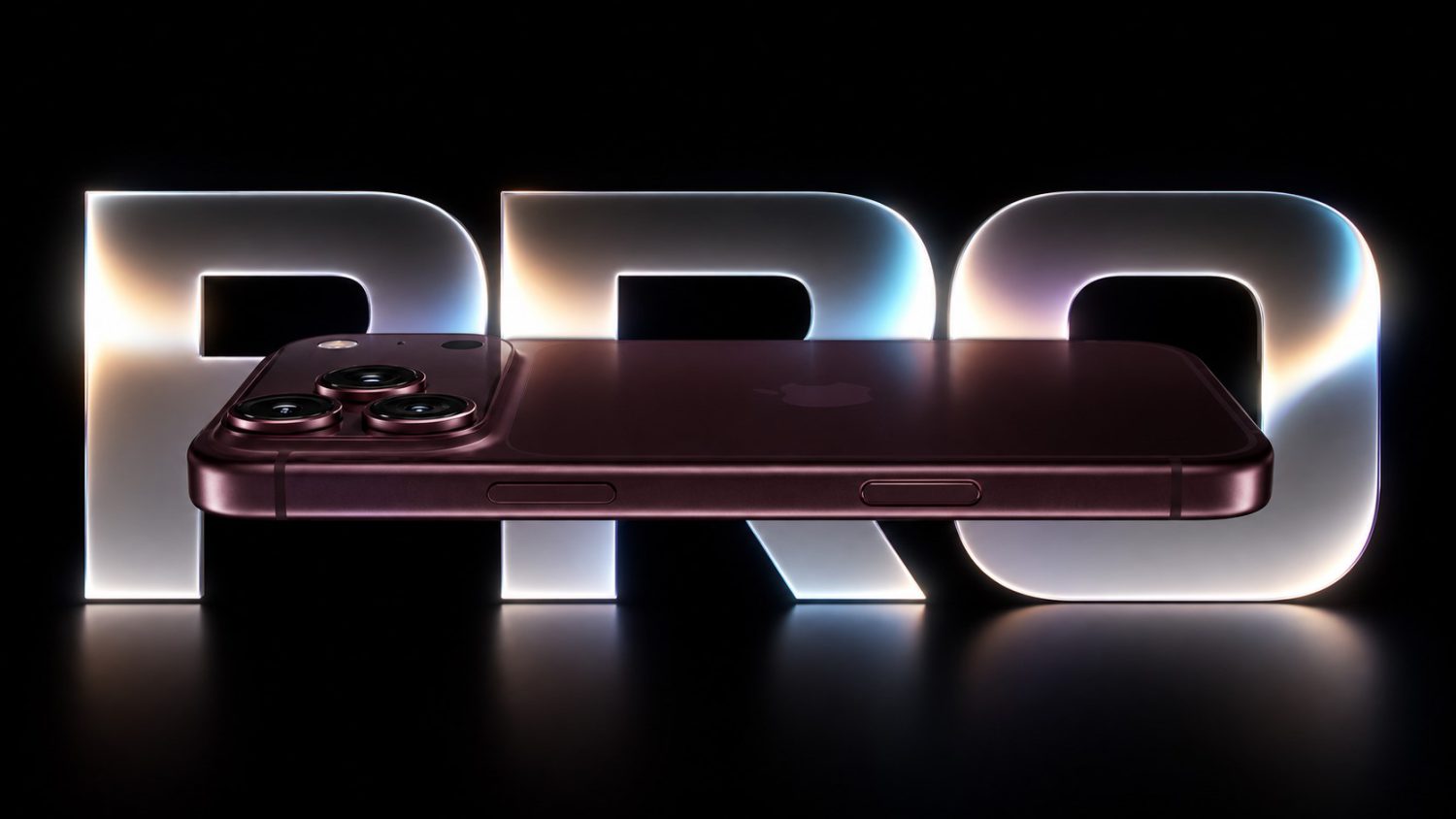
Analysts spent months telling you to brace for impact. Forecasts ranged from $1,349 to $1,399 for the base iPhone 18 Pro. Some leaked speculation pushed even higher. The actual official starting price? $1,199. After a year of memory cost horror stories, that restraint deserves more attention than the price hike itself.
The $100 Question
Here’s what the 18 Pro lineup costs — and why the number is smaller than it probably should be.
- iPhone 18 Pro: approximately $1,199 (256GB base)
- iPhone 18 Pro Max: approximately $1,299 (256GB base)
- Apple Upgrade Program: ~$34.99/month for the 18 Pro over 24 months
- Trade-in values vary significantly by model and condition; check Apple’s current trade-in schedule for your specific device
The backdrop here matters. A global DRAM and NAND shortage — fueled by AI infrastructure buildout consuming memory supply at a staggering pace — has hammered Apple’s component costs. Analysis cited by TechInsights suggests the bill of materials for a 256GB iPhone 18 Pro is roughly 38% higher than its predecessor. The increase is only $100. The rest, Apple is absorbing.
Bloomberg’s Mark Gurman called the anticipated increase “inevitable” but “fairly modest,” noting Apple had already raised prices on Macs, iPads, and home products earlier in 2026 while holding iPhone pricing steady until now. Forecasts projecting $200–$300 hikes were circulating as recently as mid-2026. The reported $100 figure lands well below that ceiling.
Who Actually Pays More?
The competitive context makes Apple’s $100 bump look less like a premium grab and more like an industry-wide response.
Samsung and Google flagships saw the same approximate $100 increases this cycle. Same memory crunch, same math. If you’re cross-shopping, the field is level.
For Upgrade Program subscribers, the calculus softens further. A $100 price increase spread across 24 months works out to roughly $4 more per month. Apple has long structured its messaging around monthly payments rather than MSRPs — and that framing makes the sticker shock easier to absorb.
Two terabytes of local storage on a smartphone is a milestone worth noting.
That 2TB ceiling matters most for ProRes video creators and photographers who have been running out of headroom for years. The $100 bump is real, but Apple reportedly absorbed a cost shock that could have been far uglier. Whether the new 2nm chip and expanded storage ceiling justify upgrading depends entirely on what device is currently in your pocket.