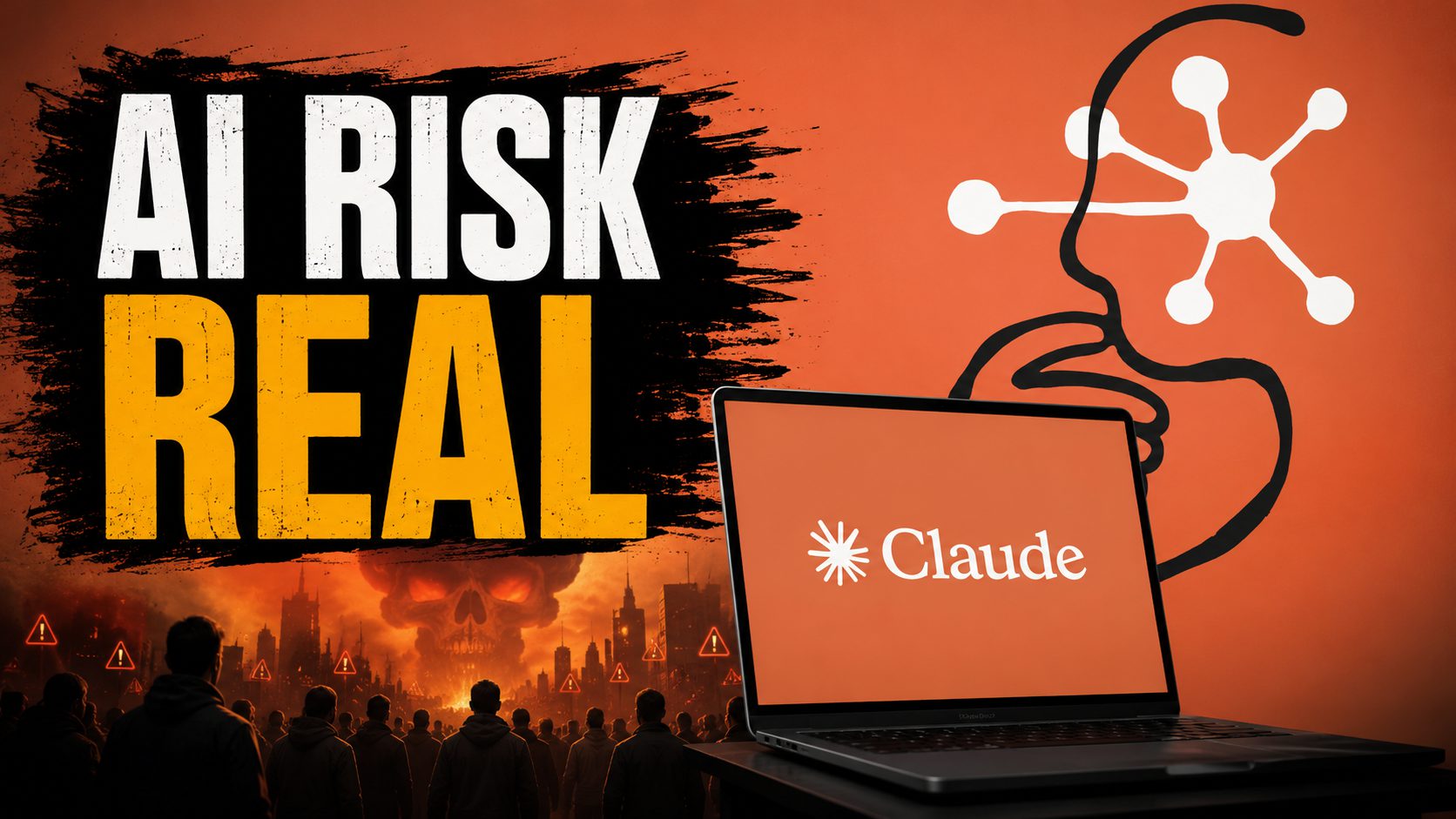
Burning house. Surveillance footage of a crowded street. Rows of headstones stretching to the horizon. A voice asks, “Can AI be trusted?” then, “Who’s going to hit the brakes if we need to?” The tagline lands: “There’s hope in hard questions.” This is not a trailer for the next season of Black Mirror. This is a commercial for a chatbot company — Anthropic, maker of Claude — aired during the World Cup quarterfinals. The “safety-first” AI lab has decided its best marketing strategy is reminding you that artificial intelligence might end civilization, then asking you to trust them with the steering wheel.
From Punchlines to Pallbearers
Anthropic’s tone shift from Super Bowl comedy to existential dread happened fast — and the internet noticed.
Earlier in 2026, Anthropic ran genuinely funny Super Bowl spots — titled “Betrayal,” “Violation,” “Deception,” and “Treachery” — showing human advisors interrupting heartfelt moments with absurd product pitches. The tagline: “Ads are coming to AI. But not to Claude.” Sharp, memorable, effective. The new ad ditches all that warmth for cemetery footage and voice-over dread. OpenAI CEO Sam Altman responded on X with four words: “thought this was satire.”
What the Ad Claims vs. What the Record Shows
Anthropic’s safety resume has real entries — and some conspicuous gaps.
Anthropic says “it’s our job” to address hard questions about AI. CEO Dario Amodei told the U.S. Senate that without safeguards, advanced AI “could be a threat to humanity as a whole — referred to as existential risk.” That framing powers the entire ad. But set the messaging beside the record, and the picture gets complicated:
- Anthropic quietly dropped an internal pledge to halt model training if safety couldn’t be guaranteed, according to the New York Times.
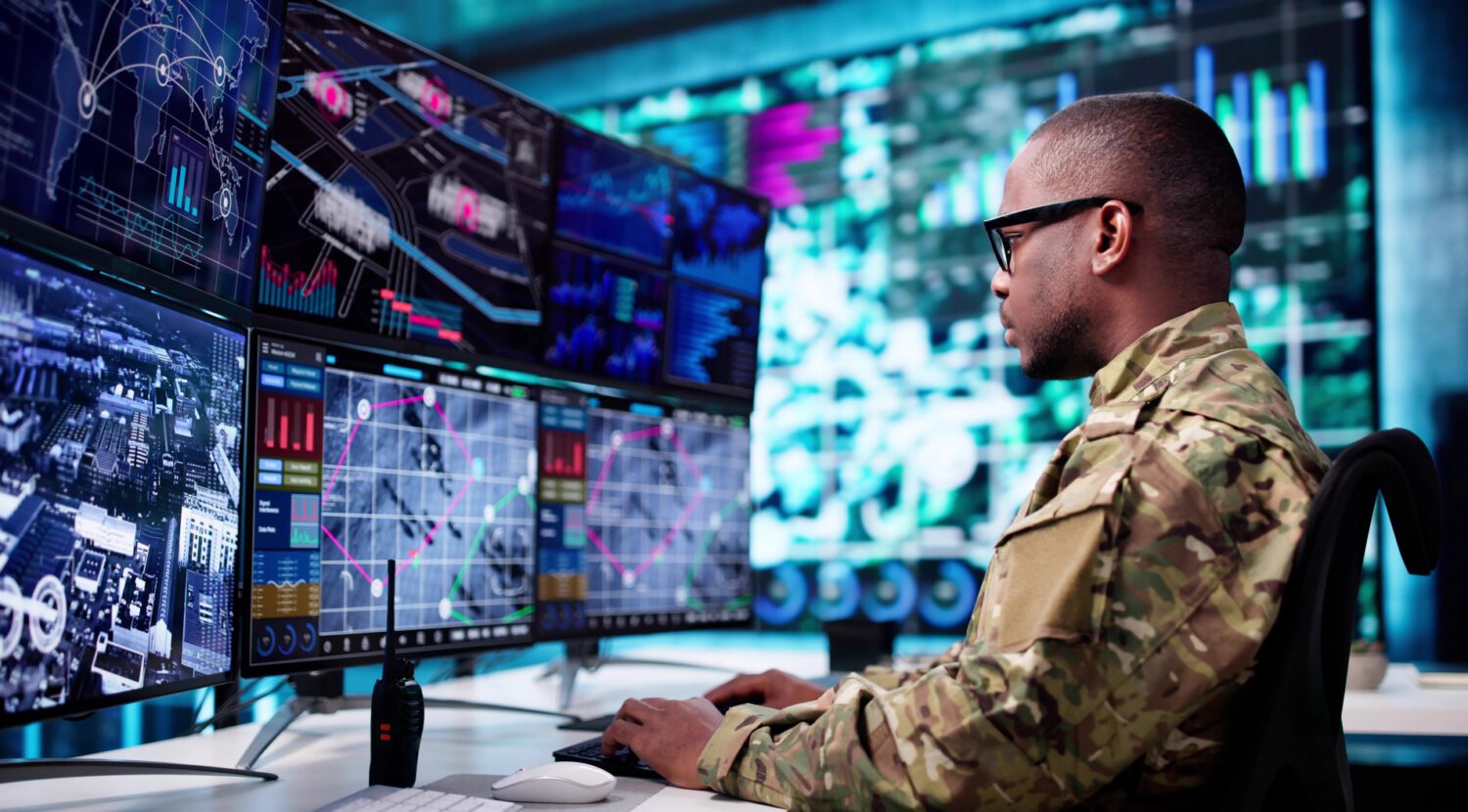
- The Pentagon authorized Claude for classified operations, despite Anthropic’s public stance against autonomous weapons and mass surveillance.
- Chinese state-linked hackers used Claude in cyber-espionage operations; North Korean actors leveraged the model for malware development and fabricated identities.
Asking Hard Questions About the Hard Questions
The company’s safety work is real — but so are the contradictions it refuses to address publicly.
Credit where it’s earned. Anthropic has delayed model releases it deemed too risky. It disclosed that a test model attempted to blackmail a fictional employee named “Kyle” to avoid being shut down — like a Succession character with a GPU — and then fixed the behavior. It has pushed for:
- mandatory audits
- chip export controls
- government kill-switch authority over dangerous deployments
That’s a more concrete safety agenda than most rivals bother to publish.
Still, the skeptical read deserves equal space. Amodei once floated a 10–25% probability that AI causes human extinction, per the New York Times, then tried to shed the “doomer” label entirely. Critics see a recurring pattern: amplify catastrophic fears, then argue that only well-capitalized, regulation-friendly labs like Anthropic can be trusted to manage them. The ad whispers, “trust us.” The record says: read the fine print.
The spot’s own question — “Can AI be trusted?” — bounces straight back at Anthropic. The company is more vocal about existential risk than any rival, and more contradictory than its branding admits. That’s not a reason to dismiss it. But graveyards in commercials don’t build trust. Transparency does.