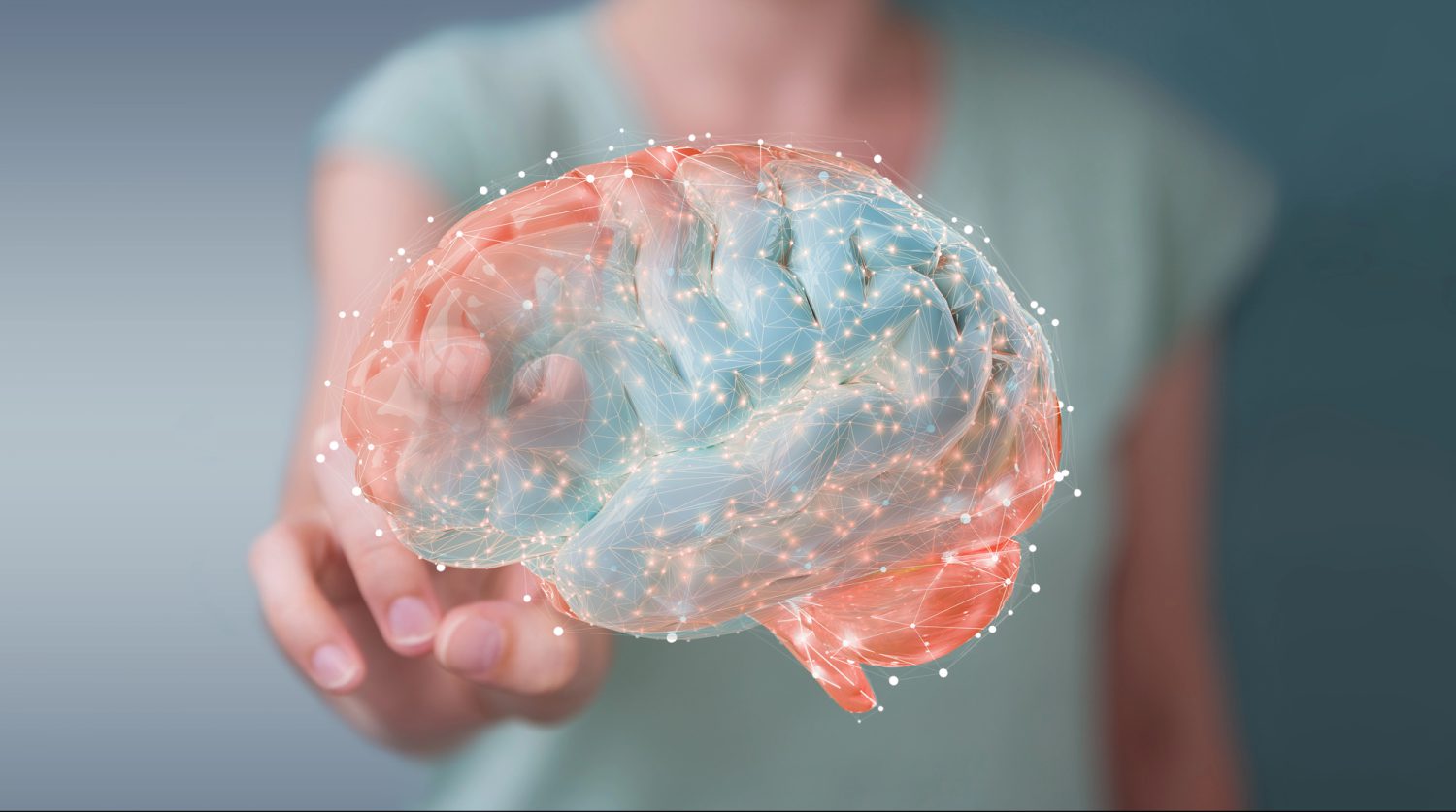
A song comes on, or someone uses a particular phrase, and suddenly you’re somewhere else entirely: a specific afternoon, a room, a feeling from years ago. For most people, that happens occasionally. For a 16-year-old identified only as KCL, it happens with a frequency and level of detail that have caught the attention of cognitive researchers.
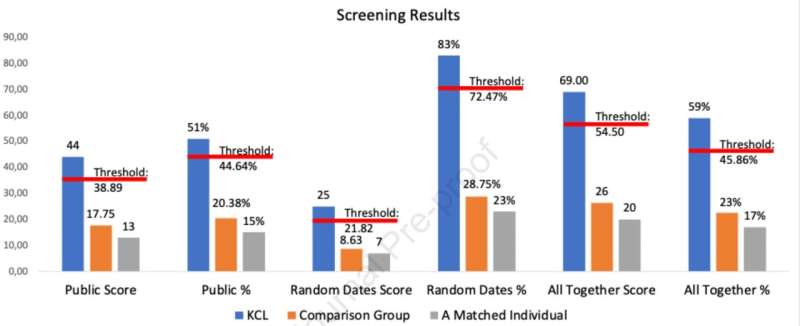
A case report published in the journal Cortex describes KCL as meeting established criteria for highly superior autobiographical memory (HSAM). His scores on autobiographical recall measures are statistically expected to exceed those of 99.9% of the general population on those specific measures, not across all cognitive tasks.
What the Research Actually Found
The findings center on how often personal memories surface uninvited, not on how much information KCL can deliberately store.
KCL contacted cognitive researcher Krystian Barzykowski in February 2025. Because he lived far from the research team, the assessment was conducted remotely using established autobiographical memory questionnaires and laboratory-style tasks, with results compared against existing comparison-group data.
Researchers used a probe-caught method, interrupting KCL during an attention task to ask what had been on his mind. Roughly 87% of his spontaneous off-task thoughts turned out to be autobiographical memories of his own past, representing 13 of 15 sampled thoughts, compared with approximately 39% in the comparison-group data.
His future-oriented thinking and overall level of task-unrelated thought fell within the normal range, making the autobiographical memory distinction unusually specific. The elevated rate applied to personal memories; it did not reflect a general tendency toward distraction or mind-wandering.
KCL self-reported being able to recall detailed events from approximately half the days since around August 2022. He also described memories stretching back to roughly three months of age, with some recollections from 2010 and 2011 reportedly corroborated by his parents, though memories from infancy are difficult to independently verify and should be understood as reported recollections rather than confirmed fact.
What HSAM Is (and Is Not)
HSAM is a specific difference in how personal experiences are retrieved, not a universal memory upgrade.
Researchers reported that KCL’s attention, working memory, executive function, and general development appeared broadly typical. HSAM describes an exceptional specialization in autobiographical memory, not the kind of total recall that pop-psychology articles tend to attribute to people with exceptional recall abilities.
The researchers’ interpretation, as reported by ScienceAlert, is that HSAM likely reflects heightened sensitivity to memory cues and a lower retrieval threshold for personal experiences, presented here as a hypothesis rather than an established causal mechanism. The difference may lie less in storing more information and more in how readily the past becomes accessible when the right trigger appears.
Fewer than 100 cases are believed to have been identified worldwide since the first published account appeared in 2006. Extraordinary recall of personal history does not appear to carry over into extraordinary performance on unrelated cognitive tasks.
An Open Question Worth Watching
The KCL case shifts attention toward involuntary memory, a dimension that earlier HSAM research largely set aside.
Earlier HSAM research focused primarily on deliberate recall, asking participants to consciously retrieve a specific memory. The KCL case is notable because it directly examines involuntary autobiographical memories using a controlled thought-sampling method, adding a dimension that has received less attention in earlier HSAM research.
Whether that frequent stream of personal history feels like a gift or a burden remains an open question. This is a single case, and broader conclusions about HSAM will require more participants and replication.