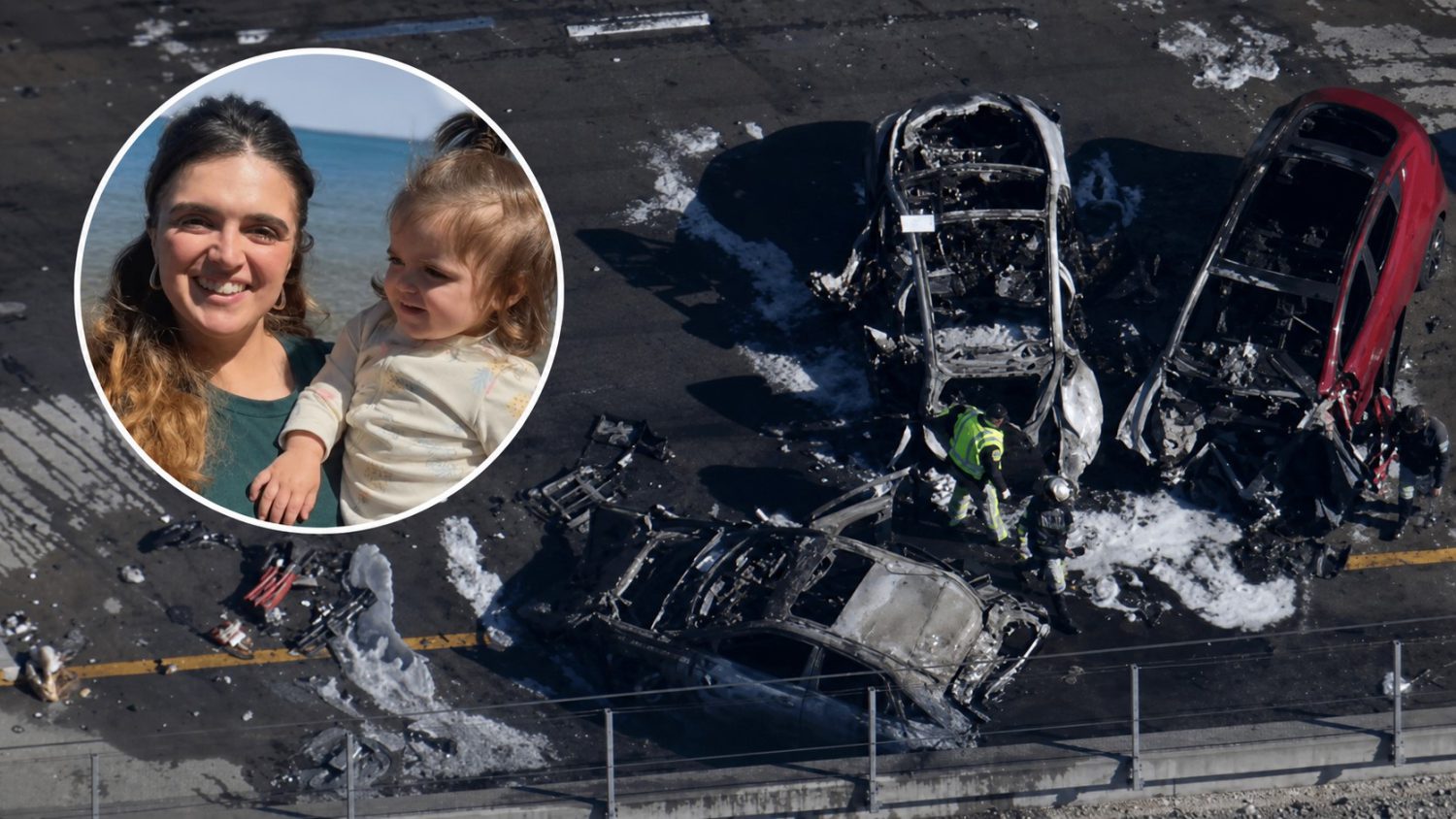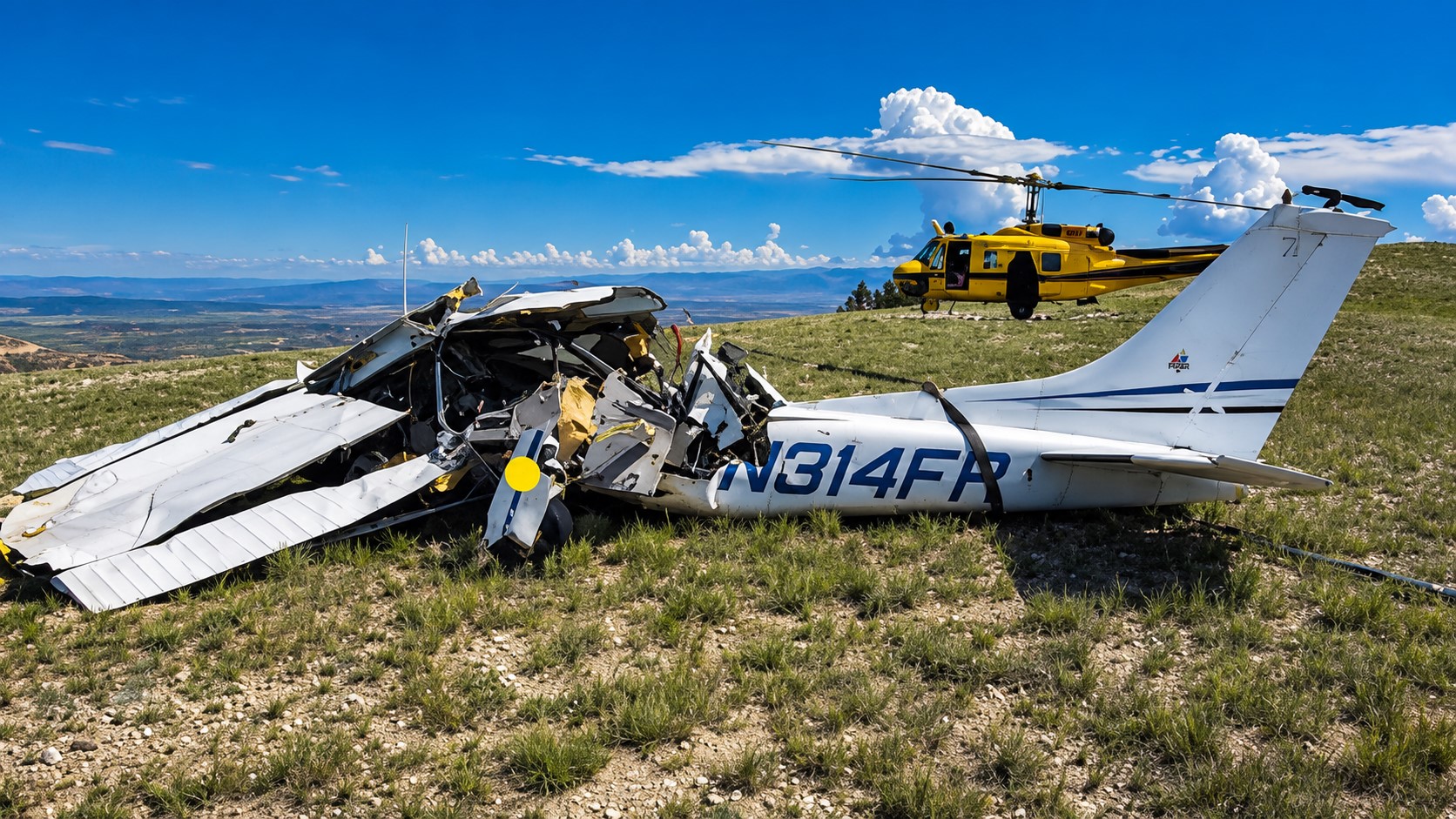
Four people — two pilots, two medical crew — died when a Trans Aero MedEvac Beechcraft King Air 90 struck the Capitan Mountains near Ruidoso, New Mexico, in the early hours of May 14, 2026. The NTSB’s preliminary report, released June 18, confirmed what aviation watchers feared: military GPS jamming from White Sands Missile Range was active at the flight’s altitude and location. The crew had been briefed on the jamming through their ForeFlight pre-flight package. Knowing a threat exists and being equipped to survive it are two very different things.
Six Minutes In, Everything Compounded
The crew lost GPS navigation almost immediately — and ATC was already overwhelmed.
Six minutes after departing Roswell Air Center, the crew told Albuquerque Center their GPS was gone. RNAV approaches were useless. They requested radar vectors for an ILS approach, a non-GPS backup. But ATC was juggling multiple aircraft also blinded by jamming, and delayed vectors by several minutes. The King Air overshot its landing pattern by roughly 10 miles while waiting — a solvable problem compounding fast.
The NTSB preliminary report confirms:
- GPS jamming originated from White Sands Missile Range’s routine NAVFEST exercises, coordinated with the FAA and published via NOTAMs
- ADS-B surveillance degraded alongside GPS
- ATC paused jamming temporarily; the crew reported Ruidoso in sight and requested a visual approach
- Jamming resumed during descent; the aircraft struck terrain approximately 230 feet below a summit
- NTSB has not assigned probable cause; the preliminary report describes circumstances only
The Black Hole That Swallows Good Judgment
Airport lights visible from 30 miles away created a deadly optical illusion above invisible terrain.
Any pilot who has watched GPS drop over dark terrain understands the disorientation — multiplied here by mountains, a nearly moonless sky, and four lives riding on the next decision. Airport lights glowing across 30 miles of New Mexico darkness look reachable. The ridgelines between the aircraft and those lights are invisible. When the crew abandoned instruments for a visual approach, they followed intuition. That’s precisely what makes CFIT — controlled flight into terrain, where a functioning aircraft flies into ground the crew cannot see — so consistently lethal.
“Air travel is still very safe, but it may be stuck for the next five years or more in a mild-and-increasing risk situation as we confront ever more GPS interference.” — Todd Humphreys, GPS expert, according to Wired
Civil aviation has grown so satellite-dependent that losing GPS mid-flight, at night, over mountains cascades into a workload crisis no single system was designed to absorb alone. Medevac operations already carry accident rates closer to combat aviation than scheduled airlines, according to Wired’s reporting. Add an overtaxed ATC sector and terrain that doesn’t forgive hesitation, and the system was working exactly as designed — right up until it wasn’t.
Legal, Coordinated, and Not Enough
The military followed every published protocol. Four people still died.
Defense voices argue the system worked — NOTAMs published, FAA coordinated, jamming paused on request. Aviation safety analysts push back: counter-drone technology needs to be, as Kris Brost of Robin Radar Systems told Wired, “surgical, not a sledgehammer.” Blanket GPS denial over shared airspace treats civil flights as acceptable collateral damage — a calculus worth revisiting before the next aircraft in a jamming zone carries passengers instead of a medevac crew.
The NTSB will eventually assign probable cause, likely listing multiple factors with none singularly damning. That’s how aviation accidents work. What the final report cannot answer is the harder question: whether four deaths are enough to force a genuine reckoning between military testing schedules and the civil airspace those schedules quietly borrow — and what the FAA’s post-event review means for the pilots, medevac operators, and air travelers sharing that space next.