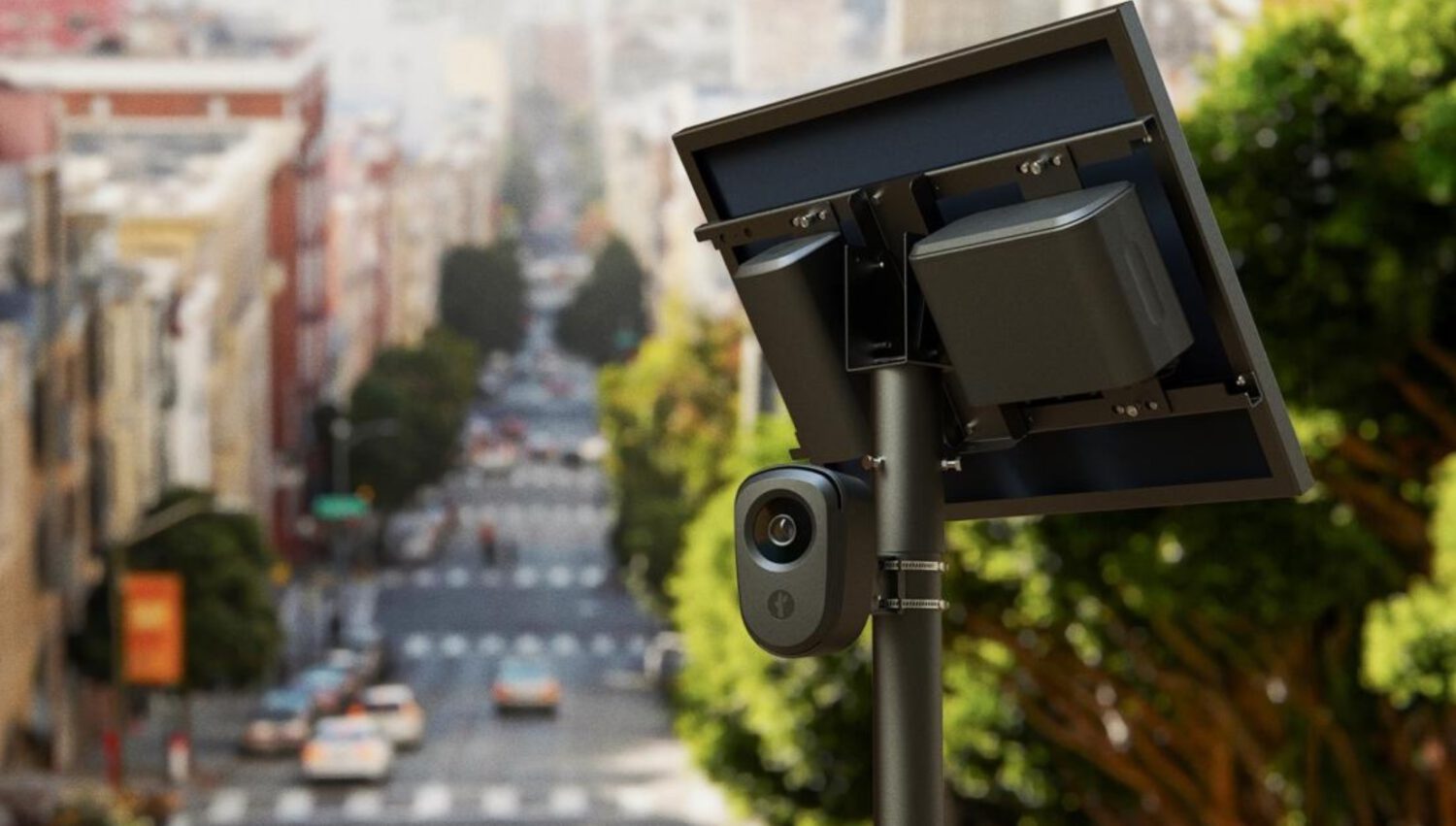
Ohio lawmakers have introduced legislation that would prohibit state and local government agencies from operating automated license plate recognition systems and other covered mass-surveillance technologies. House Bill 1010, the Ohio Freedom from Mass Surveillance Act, would require agencies already running those systems to shut them down within 30 days of enactment.
ALPR systems capture license plates and vehicle details, feeding that information into searchable databases that law enforcement can query to reconstruct vehicle movements. The concern extends beyond tracking known suspects. Such systems may collect data on any vehicle that passes a covered surveillance app, without a warrant or any connection to a crime.
What Drove the Bill
Two Ohio situations gave the debate concrete shape and helped build pressure for a statewide response.
Dayton suspended its ALPR program after records showed the system had been accessed thousands of times for immigration enforcement, a prohibited purpose, according to the Dayton Daily News. In Athens County, public-records reporting identified 16 Flock cameras operating under local contracts: six run by Athens police and 10 by the Athens County Sheriff’s Office.
Ohio lawmakers have also pressed the Ohio Department of Transportation to halt new ALPR permits in state rights-of-way and disclose existing permit locations. They have further asked the agency to explore whether current permits can be revoked.
What the Bill Would and Wouldn’t Allow
The proposal carves out narrow exceptions while targeting the broader architecture of government-operated surveillance networks.
Republican Rep. Levi Dean sponsors the bill, with bipartisan cosponsors including Democratic Rep. Tristan Rader and several others. The proposal preserves specific exceptions: body cameras, police dashboard cameras, and toll collection systems would remain permitted under the introduced text.
The bill also addresses warrant-based use, with reporting indicating that data obtained through a valid probable-cause search warrant would be treated differently from routine warrantless collection. People whose information was collected in violation of the law would have the right to sue under a civil cause of action created by the proposal. The bill targets the underlying government operation of camera networks broadly, covering systems from Flock cameras, Axon, and other vendors rather than naming a single company.
How Other States Have Approached This
New Hampshire and Vermont offer the closest legislative models, though neither represents a simple categorical ban already in effect.
New Hampshire permits plate-scanning only for specific law-enforcement purposes, including identifying stolen vehicles, locating people connected to outstanding warrants, and similar targeted uses. Captured images must be deleted within three minutes unless the scan produces an arrest, citation, protective-custody order, or missing-person discovery. That deletion window makes persistent Flock-style databases difficult to operate under state law, even though narrow uses remain permitted.
Vermont has taken a different path. Its authorization for government ALPR use is scheduled to sunset on July 1, 2027, after which state agencies and political subdivisions would be prohibited from operating those systems, unless the Legislature changes course before that date.
The Bill’s Realistic Path
House Bill 1010 is introduced legislation, and its practical effect will hinge on definitions, exemptions, and political will.
The bill’s practical reach will depend on how its definitions are written and which exemptions survive negotiation. A separate question is whether local agencies could access out-of-state or privately maintained ALPR databases as a workaround. Enacting the bill would establish one statewide standard rather than leaving each agency to set its own terms through individual vendor contracts.