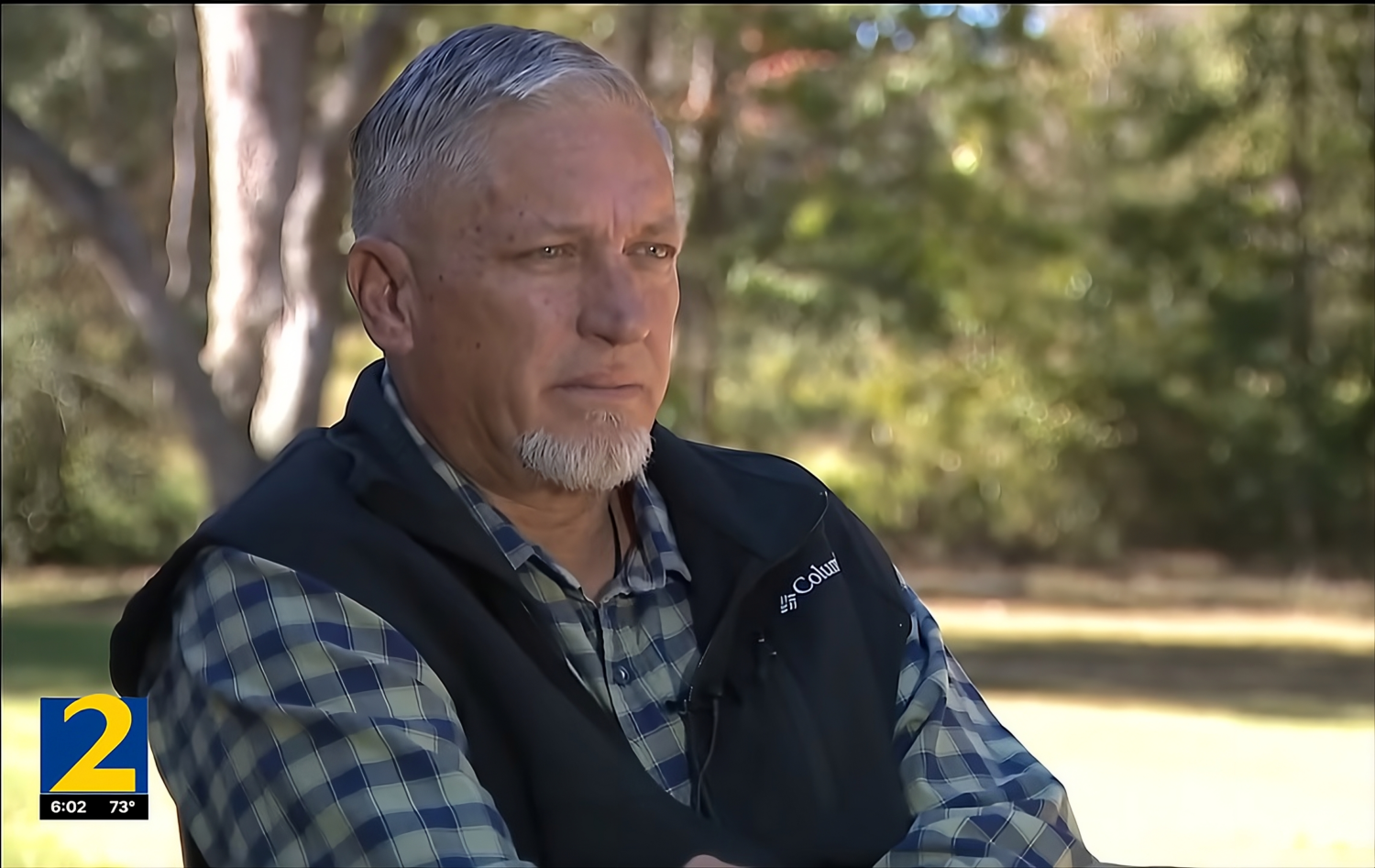
Arash Ghaemi, who goes by Ash, watched his mother Shaida’s disappearance in Wheat Ridge, Colorado go unresolved for nearly two decades. That frustration led him to build CrimeOwl, a platform designed to organize documents, audio, video, and text messages into timelines, relationship maps, and searchable investigative records, doing what manual file review may take much longer to accomplish.
According to the Denver Post, a few private investigators have begun using the platform to pursue leads for families. The Wheat Ridge Police Department has not adopted it for Shaida’s case, considering the tool too unproven for department investigations.
A Movement Built on Accumulated Frustration
Cold cases generate years of records across incompatible systems, and AI makes those archives searchable.
Cold cases rarely have a single file. They accumulate interviews, tips, photographs, and administrative records across agencies, decades, and formats that often cannot communicate with each other.
AI reduces the time required to sort and search that material, which makes it attractive to families, nonprofit organizations, and independent developers who suspect overlooked connections remain buried in the files. The Cold Case Foundation’s partnership with Veritone applies that principle to old audio, video, and documents, making large archives searchable for human analysts. According to Veritone’s published account of the partnership, analysts review AI-generated leads before passing findings to the relevant agency, reflecting an understanding that the technology surfaces possible connections rather than conclusions.
The Hard Limit No Model Can Override
Powerful software running on incomplete data still produces incomplete analysis.
Civilian researchers generally cannot access restricted police databases, sealed records, unredacted forensic reports, or law-enforcement DNA systems such as CODIS without authorization. In Ghaemi’s case, Wheat Ridge police declined to share the case file with CrimeOwl, citing security concerns, according to the Denver Post.
The gap between model capability and available data is the central constraint on citizen-led investigation. Public-records requests, court documents, and family-provided materials become the main sources for outside researchers, though news archives are typically secondary rather than primary sources. An analysis that looks complete can still exclude confidential interviews and tips from other agencies. Forensic results never released publicly are also beyond reach.
What the Technology Actually Does
AI is a capable research assistant, not an autonomous detective.
AI can transcribe difficult audio, search large document collections, extract names and dates, build chronological timelines, and flag apparent contradictions across records. Those are genuine capabilities with real value for understaffed teams and families managing decades of scattered material.
What AI cannot do by itself is equally specific. It cannot prove that a person committed a crime, authenticate a document, establish chain of custody, or guarantee that a generated connection is accurate. According to Veritone’s published account, the Cold Case Foundation’s workflow positions human analysts as the people who interpret and act on AI-generated leads, not the model itself. A reviewed lead is still not verified evidence; it is a starting point for investigation.
Capacity, Not Certainty
Citizen AI adds investigative bandwidth to neglected cases, but it does not replace formal investigation.
Families and volunteer researchers are building an additional layer of investigative capacity around cases that might otherwise receive little attention. That is genuinely useful, and genuinely limited.
Researchers should preserve original files and record the source and date of every claim. Significant findings belong with investigators rather than public forums, and private information should not be published unnecessarily. Families should also review the specific terms and data-retention settings of any AI service before uploading sensitive case material, since risks vary by provider , including those related to any surveillance app or data-collection service used in the process. A generated timeline is a starting point. A solved case requires evidence that can withstand scrutiny, and no model produces that on its own.