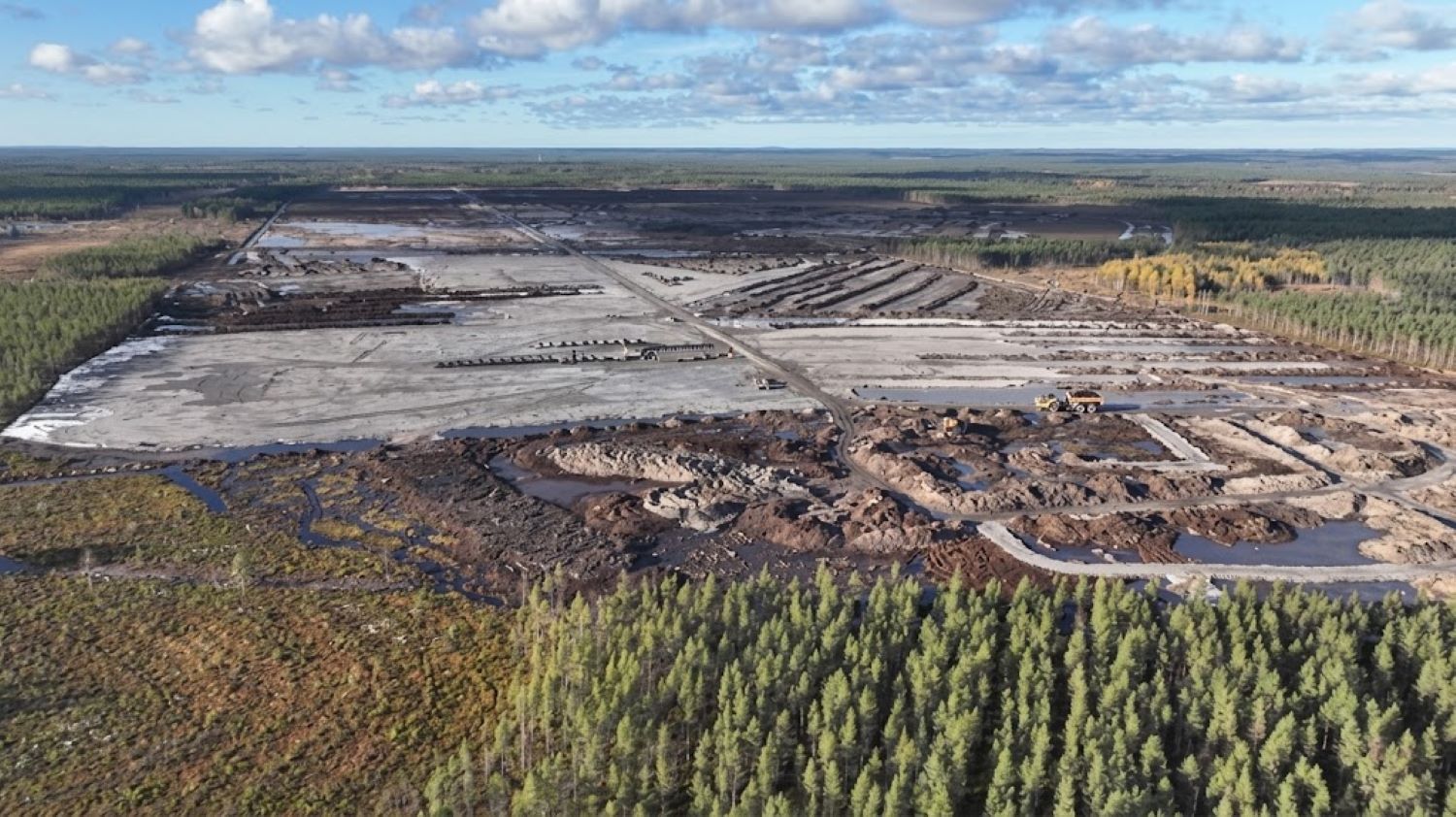
The concentrated liquid brine that conventional plants discharge can contribute to localized salinity increases and ecological stress near outfall sites.
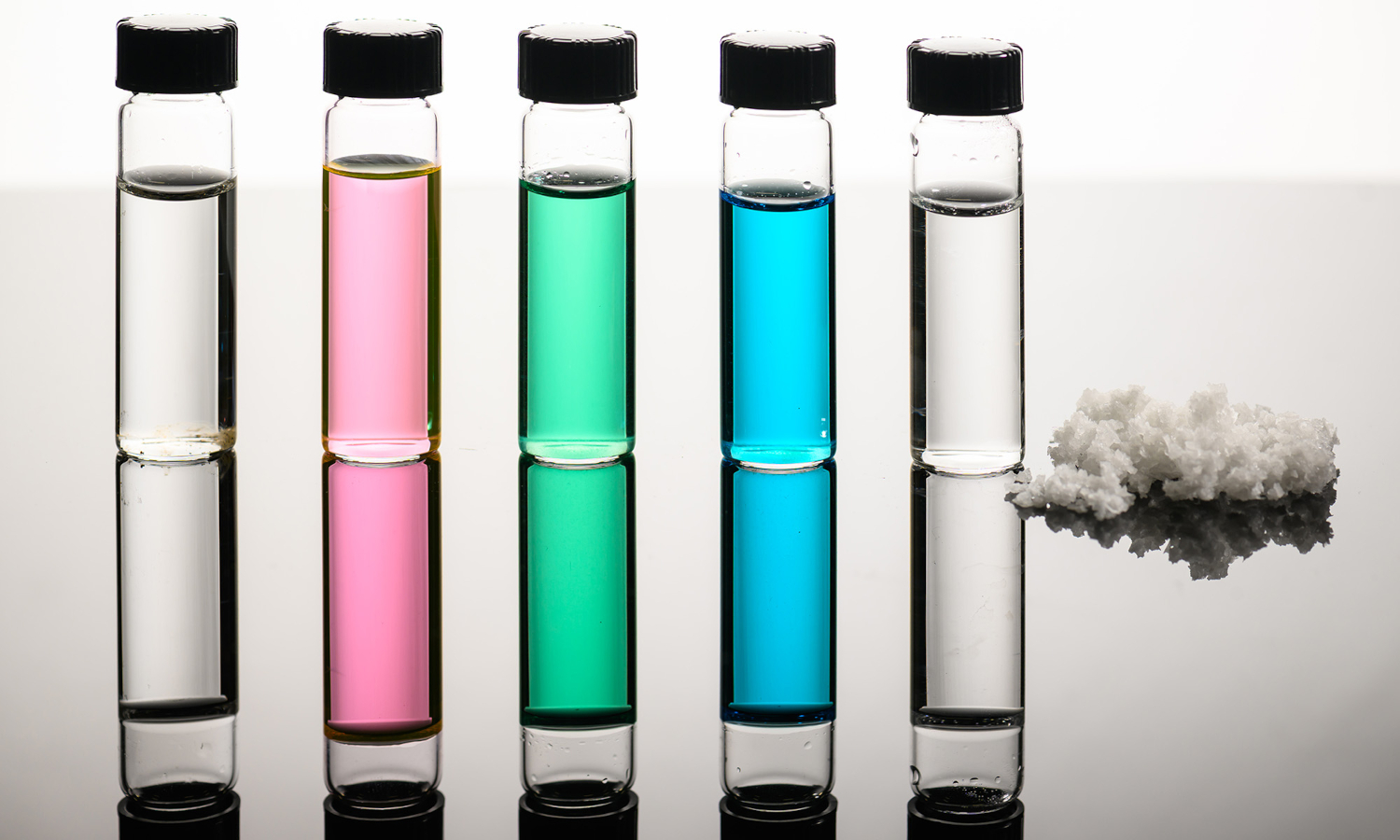
A team at the University of Rochester designed a solar-powered panel that sidesteps that disposal problem for its demonstrated device, converting dissolved salts into collectable solids instead.
Laser-Etched Metal That Drinks Sunlight
Femtosecond laser treatment restructures the metal surface at a microscopic level, giving it two properties that make solar desalination practical.
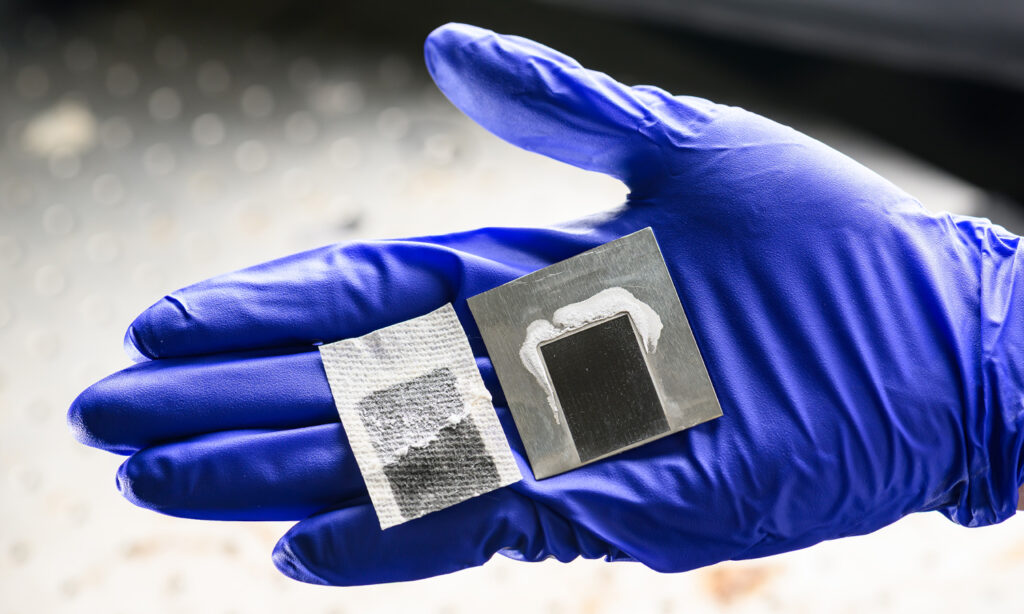
The core component is a black metal panel treated with femtosecond lasers, extremely short, high-intensity light pulses that restructure a metal surface at a microscopic level. That treatment gives the panel strong solar absorption and superwicking, meaning it rapidly spreads a thin film of seawater across its active evaporation zone.
Sunlight heats that thin film. The water evaporates and can be collected as fresh water.
Pushing Salt to the Edges
The panel’s key design move is redirecting dissolved salts away from the evaporation zone before they can cause clogging.
Salt accumulation over the evaporation zone is a recognized failure mode in solar-thermal desalination research. Rather than allowing mineral residue to build up there, the panel directs dissolved salts toward untreated passive regions at its edges.
There, the minerals accumulate as dry solids. The active zone stays clear, and the system continued running throughout the researchers’ experimental periods.
How Well Does It Actually Work?
Performance figures from a peer-reviewed paper place the system among competitive passive solar designs that require no chemical inputs.
A related paper published in Light: Science & Applications reported approximately 74% solar-to-vapor conversion efficiency and an evaporation rate of 1.76 kilograms per square meter per hour under standard one-sun illumination. Those numbers are competitive for a passive solar system with no chemical inputs, though that comparison depends on the benchmark used.
The team tested the panel with real seawater from the Pacific, Atlantic, and Indian oceans. Salt migration away from the active zone held up across all three samples, according to the University of Rochester and the peer-reviewed primary paper.
Understanding the Salt-Recovery Figure
“Nearly 100% salt recovery” measures the fraction of dissolved salts collected as solids, not the fraction of seawater converted to fresh water.
The system recovered nearly 100% of dissolved salts in solid form under experimental conditions, according to the University of Rochester. Freshwater yield per unit area and total throughput are separate performance questions the research has not yet fully answered.
Lithium in the Leftover Salt
Embedded nanoparticles give the panel a second function: selectively capturing lithium from the collected mineral residue.
By embedding hydrogen titanate nanoparticles into the laser-etched grooves, the researchers created a surface that selectively captures lithium from the collected mineral residue.
In tests using Great Salt Lake samples, the modified panel recovered about 50% of the lithium present, according to the University of Rochester. That result is real but small-scale: a proof-of-concept device using a saltwater sample is a long way from a commercially validated lithium extraction operation.
Turning Waste Into a Potential Revenue Stream
Solid salt residues avoid the localized ecological stress associated with liquid brine discharge and could be processed for commercially useful minerals.
Liquid brine from conventional plants can contribute to localized salinity increases and ecological stress near outfall sites. Solid salt residues sidestep that liquid-discharge problem and could theoretically be processed for table salt, industrial minerals, or lithium-containing material requiring further refinement, turning a current waste stream into a potential byproduct.
What Still Needs Proving
Significant scale-up questions remain before the technology can be compared with established desalination infrastructure.
Large-scale manufacturing, long-term resistance to toxic waste fouling and corrosion, and performance under variable cloud cover all remain unproven. So do the economics of recovering dilute lithium from open-ocean water at industrial scale.
The strongest claim the research supports is a potentially lower-waste desalination platform. Whether it can compete with reverse osmosis on cost and throughput at municipal scale is a question for the next phase of development.