For roughly ten years, Apple’s answer to “why no touchscreen Mac?” was consistent and confident. Reaching toward a vertical laptop display is ergonomically awkward, the company argued. macOS was built for precise pointer control, not fingertips, and mixing the two would produce a compromised interface that served neither goal well.
On October 28, 2026, Apple reversed that position. The MacBook Pro with PROLED XDR Display goes on sale November 6, starting at $2,899 for the 14-inch model and $3,399 for the 16-inch. It is Apple’s first touchscreen Mac laptop, and the more interesting story is not what it does but why it took this long.
The Argument Apple Made for a Decade
Apple spent years defending a pointer-first philosophy before concluding that the technology had finally caught up.
Phil Schiller led Apple’s marketing for years. He publicly argued that touching a fixed vertical screen was uncomfortable. He also contended that macOS controls, menus, and window-management conventions required the precision only a cursor could deliver.
Apple also worried about what it described as a “least-common-denominator” outcome: software that tried to serve both touch and pointer interaction and ended up doing neither particularly well. The company tested touchscreen Macs and concluded the experience did not clear its bar.
What Apple Says Changed
Three converging advances in display technology, silicon, and software architecture gave Apple the conditions it said it needed.
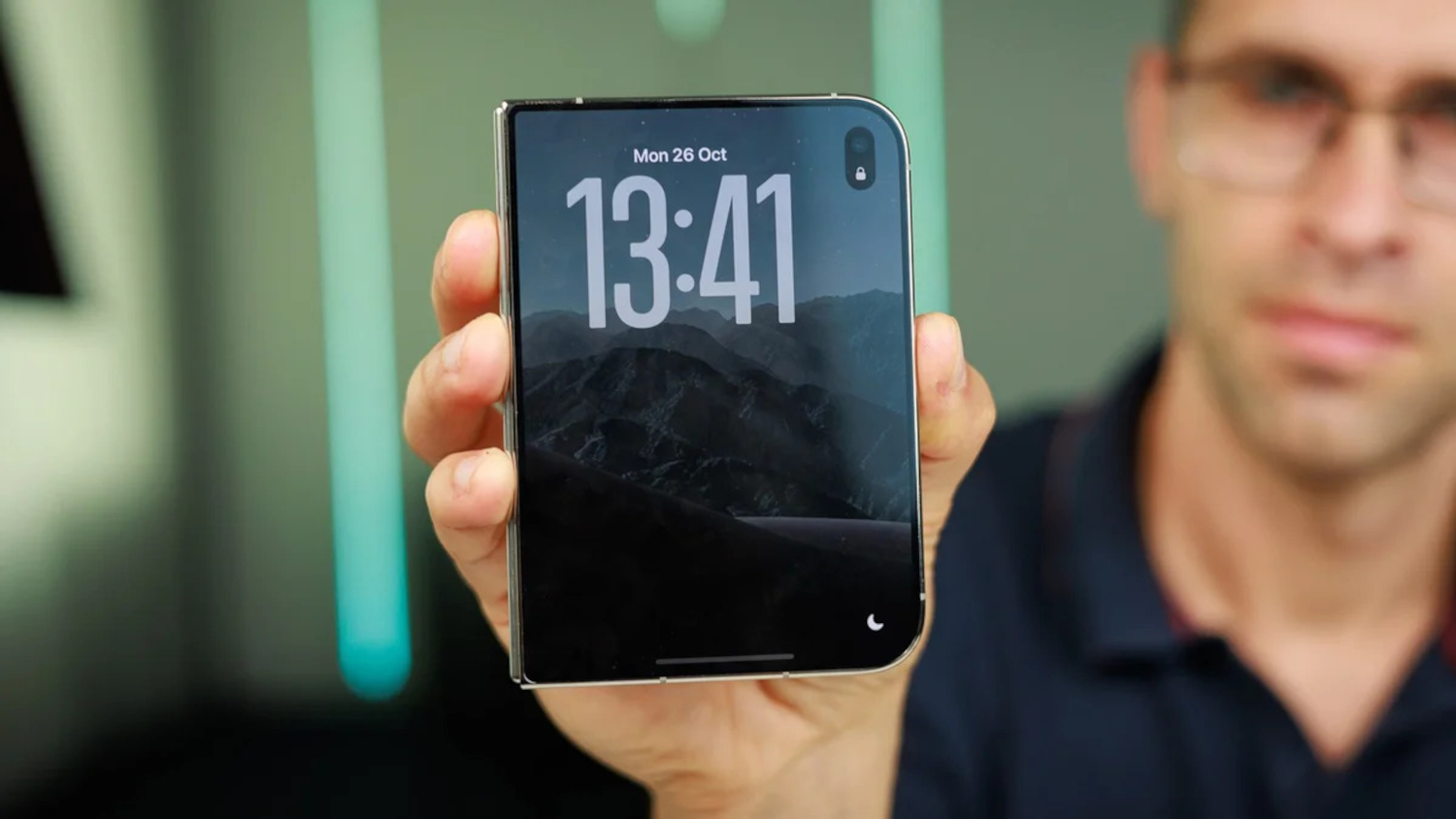
Johny Srouji, Apple’s chief hardware officer, said “many things have changed,” specifically display technology, custom silicon, and software architecture, according to Wired. The tandem OLED display technology Apple now calls PROLED XDR is thinner and lighter than the display it replaces while delivering deeper blacks and stronger contrast. Apple integrated the touch sensor directly into the panel rather than adding a separate layer, which the company says reduces latency and makes touch feel immediate.
Apple redesigned the hinge to reduce screen wobble when users press the display. The company also reworked the thermal system to keep the screen area from feeling warm during touch interaction, according to Wired. On the software side, macOS now expands controls when a finger approaches and provides larger interactive areas for window-management buttons, adjustments that acknowledge the original interface-design concern without abandoning the Mac’s pointer-first identity.
A Secondary Input, Not a Replacement
Apple frames touch as a situational convenience rather than a structural shift in how the Mac works.
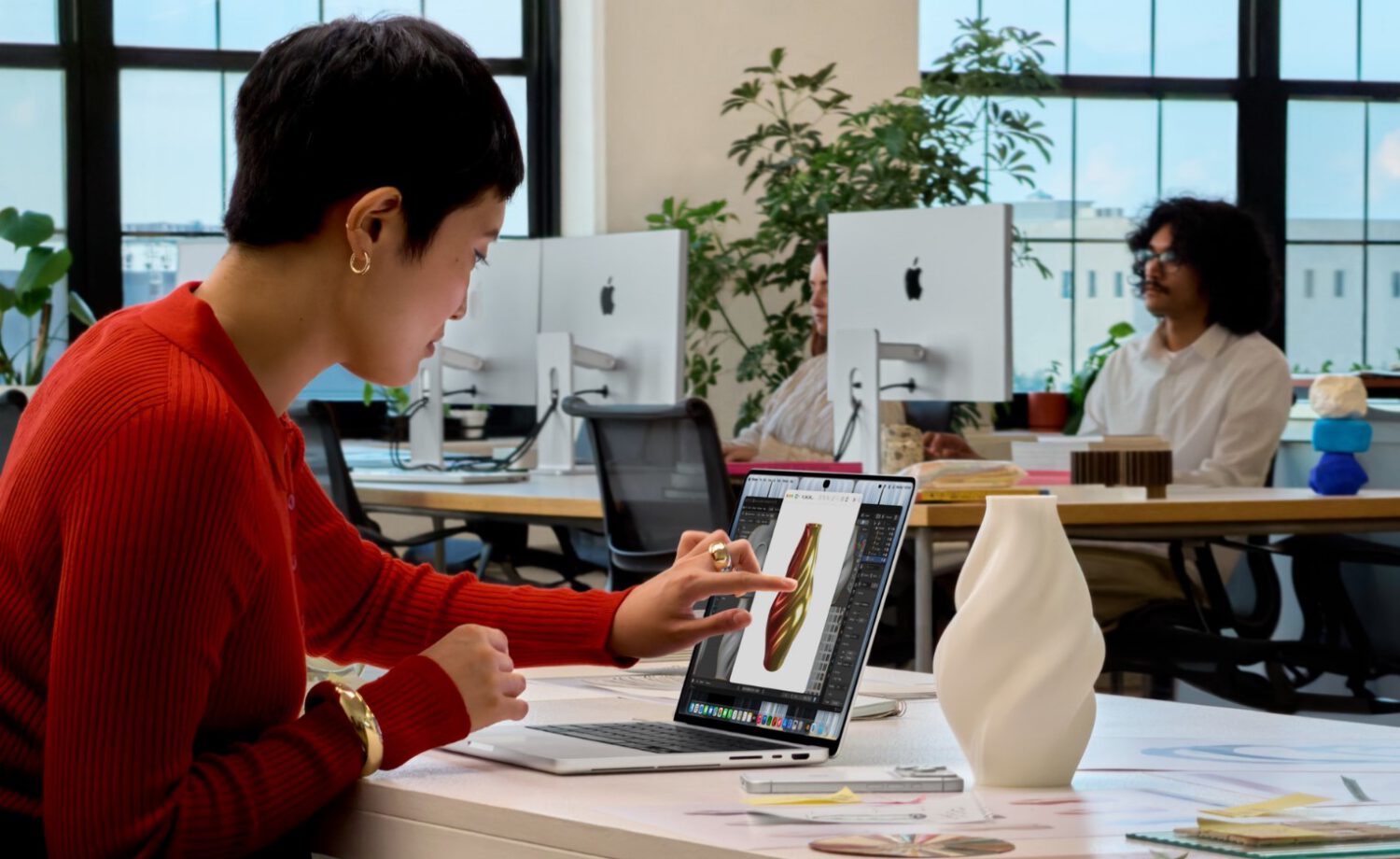
John Ternus, Apple’s head of hardware engineering, put the positioning plainly, according to Wired: “The Mac is first and foremost an indirect input device, built around the trackpad and keyboard. But I think there’s times when it’s comfortable and handy to have touch.” Apple demonstrated the feature for tasks such as manipulating 3D models, scrubbing visual timelines, color grading in DaVinci Resolve, and adjusting tracks in Logic Pro.
Both the 14-inch and 16-inch models ship with M5 Pro or M5 Max processors. Dynamic Island arrives on the Mac for the first time, handling Spotlight, Live Activities, and Siri. Apple claims up to 24-hour battery life depending on configuration.
What Remains Unresolved
The feature’s long-term reach across the Mac lineup is the question Apple has not yet answered.
Apple’s original ergonomic concern has not vanished; it has simply been reweighted. The screen is still attached to a conventional keyboard, and extended touch use on a vertical display remains less comfortable than working on a tablet. Ternus declined to say whether touch will reach the MacBook Air or iMac, according to Wired. That leaves the feature exclusive to a product that starts well above Apple’s entry-level laptop pricing.
Microsoft, Dell, Lenovo, Acer, and HP have offered touchscreen laptops for years. Apple’s arrival feels less like invention and more like a very deliberate last move. The real question is whether touch follows the same arc and eventually becomes standard across the Mac lineup. Or it stays a premium-tier feature that signals capability without becoming universal.