Punching your phone number into a grocery checkout terminal feels routine. That small act, multiplied across millions of shoppers and hundreds of stores, is part of what makes Kroger’s proposed $1.65 billion acquisition of Giant Eagle worth watching closely, according to a report from the American Economic Liberties Project (AELP).
Data First, Stores Second
The proposed deal raises questions about customer-data consolidation that go beyond a simple increase in store count.
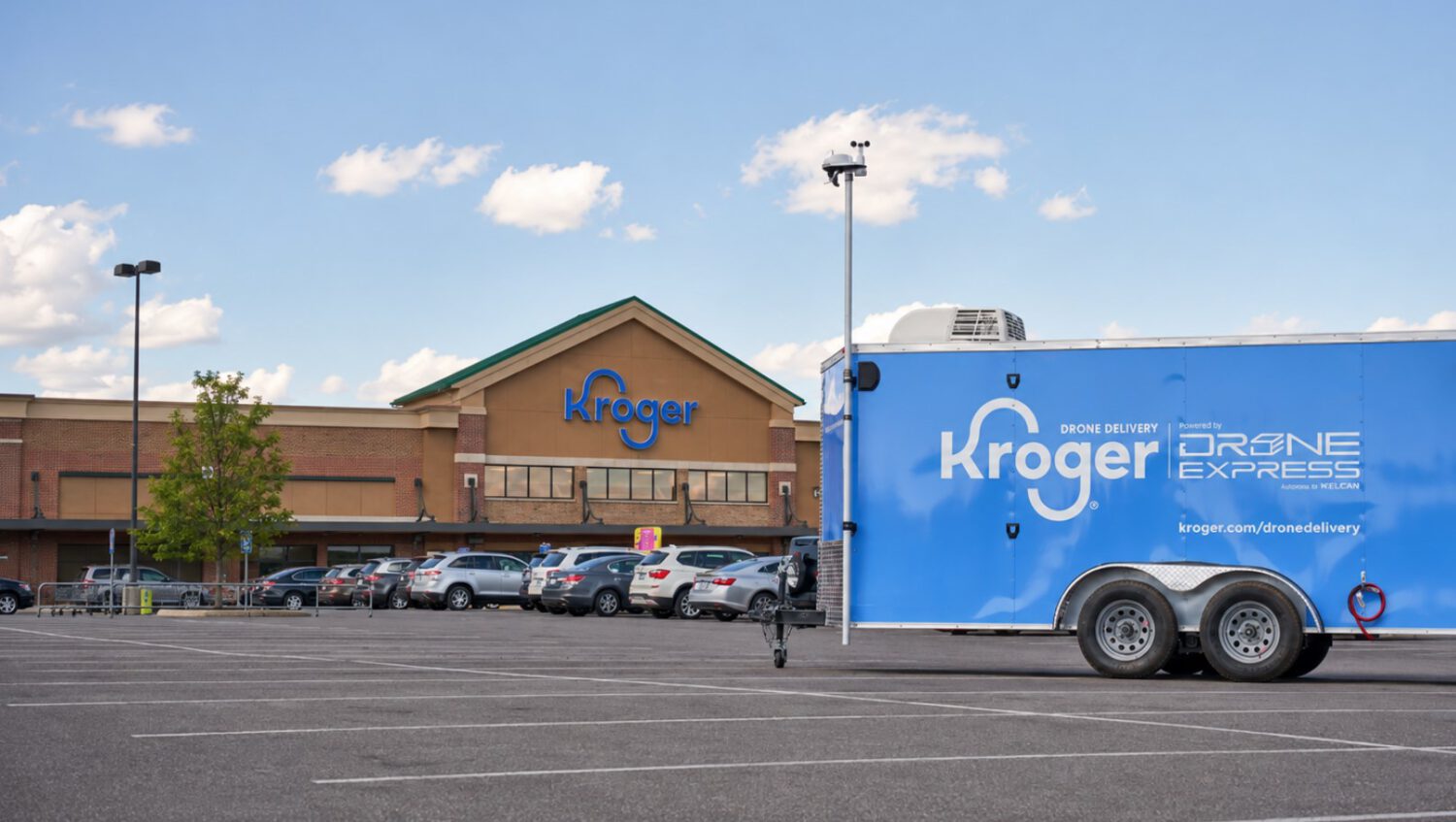
The acquisition would add Giant Eagle’s 200-plus locations to Kroger’s roughly 2,700 stores. AELP argues the more consequential expansion is not physical: it is the potential enlargement of Kroger’s customer-data infrastructure, including loyalty records, purchasing histories, pharmacy data, and behavioral signals collected across digital platforms.
AELP contends that a larger data pool could strengthen Kroger’s retail-media business, which sells advertising access to brands based on shopper behavior. The group also raises the possibility of more individualized offers or pricing. These are analytical claims and allegations attributed to AELP, not documented company practices.
Kroger has denied using facial recognition to set customer prices. Its privacy policy reportedly acknowledges facial-recognition use in some store locations for security purposes, though the exact scope, retention terms, and affected locations require verification against the current policy language.
Three distinct data systems are relevant here: loyalty and transaction records, retail-media audience data, and physical surveillance technologies. Treating them as a single unified database would overstate what the available evidence establishes.
Cameras, Cooler Screens, and What They Actually Do
Key questions about how surveillance hardware connects to customer data remain publicly unresolved.
Flock cameras are automated license-plate-recognition systems. Their presence in or around grocery locations raises questions about data retention, sharing arrangements, and whether vehicle records could ever be linked to customer loyalty accounts. What that means for a shopper whose plate is scanned in the parking lot depends on data-retention agreements that have not been made public. Whether Kroger owns, licenses, or simply hosts Flock infrastructure at any given location is a material distinction that has not been publicly resolved.
Cooler Screens places digital advertising displays inside refrigerated cases. The company previously promoted face-scanning capabilities before backing away from that messaging following public criticism, according to the AELP report. Whether any biometric functionality is currently active in Kroger or Giant Eagle stores has not been independently confirmed and should not be assumed from the presence of digital displays alone.
Key questions remain unanswered. These include whether Giant Eagle’s customer records would be merged with Kroger’s existing profiles, what opt-out rights shoppers retain, and what governs law-enforcement access to surveillance data collected around store locations.
The Regulatory Backdrop
Kroger’s recent merger history with regulators provides important context for evaluating this proposal.
A federal judge blocked Kroger’s proposed $24.6 billion acquisition of Albertsons in December 2024, following an FTC challenge. The FTC argued the deal would eliminate competition and risk higher prices for consumers, according to FTC press releases and Reuters reporting. A Washington state court issued a separate block on the same transaction.
The Giant Eagle proposal is substantially smaller than the Albertsons deal, which the FTC described as the largest proposed supermarket merger in U.S. history. Whether that difference produces a different regulatory response is a question for analysis, not prediction.
What Stays With You at the Register
The privacy stakes of grocery consolidation are unusually personal because shopping is not a choice most households can skip.
Grocery shopping is not optional for most households. That makes the privacy terms of whichever chain holds a dominant position in a local market unusually consequential, especially when those terms govern data shared with advertisers, technology vendors, and law enforcement. Whether regulators will examine data concentration alongside traditional store-count metrics may shape how future grocery mergers get evaluated.