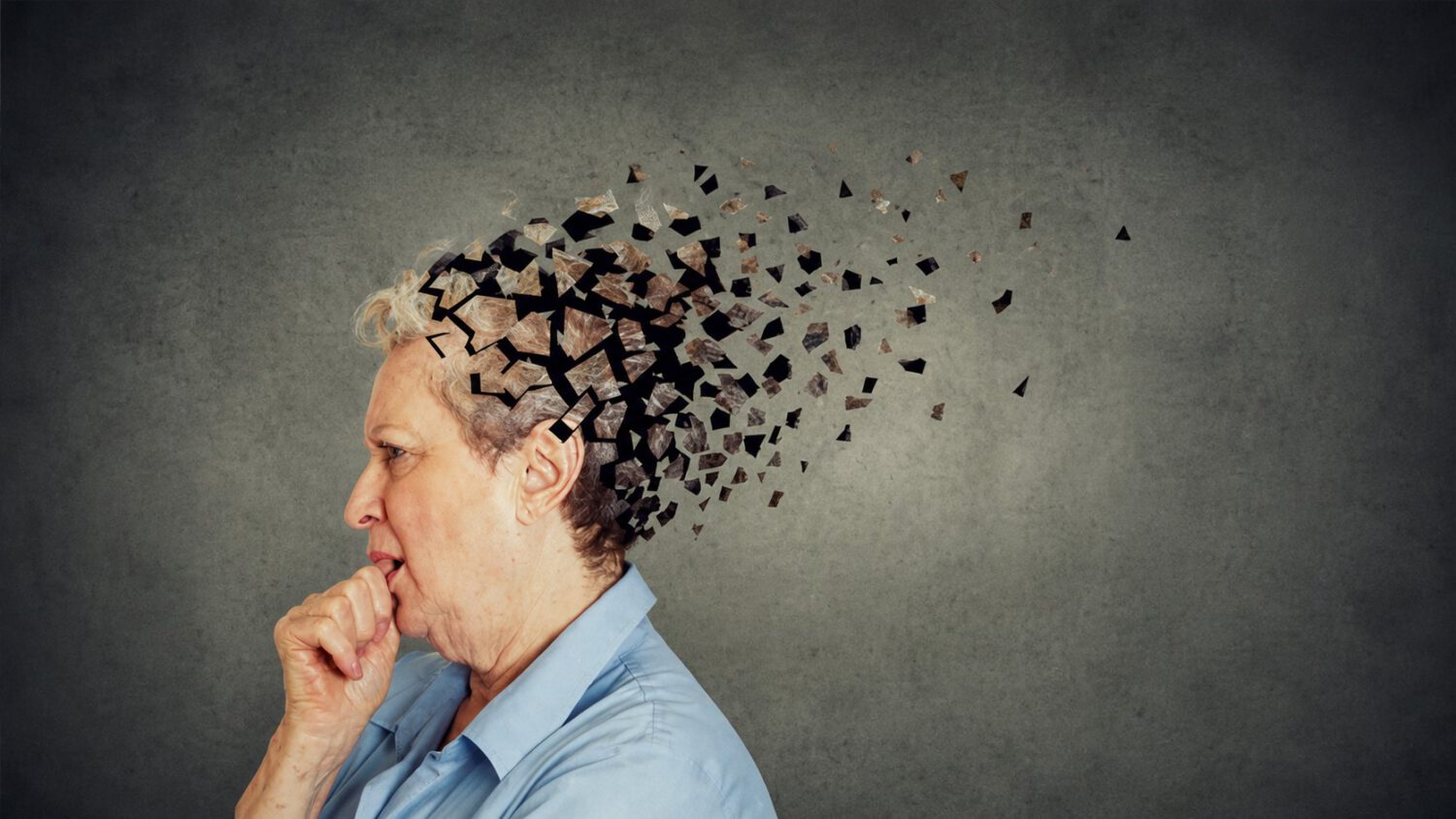
A widely circulated post on X recently claimed that 40.68 MHz ultrashort-wave stimulation can “flush Alzheimer’s plaque out of the brain in minutes.” The actual study, a preclinical experiment in mice, tells a more careful story. That story is still worth reading.
The Brain Has a Cleaning Crew. Researchers Tried to Speed It Up.
A new study tested whether targeted radio-frequency stimulation could boost the brain’s overnight waste-removal system in mice with Alzheimer’s-related pathology.
Inside the brain’s overnight cleaning cycle, a network called the glymphatic system circulates cerebrospinal fluid through brain tissue and removes metabolic waste, including amyloid-beta, the toxic protein associated with Alzheimer’s disease. This system is most active during deep, slow-wave sleep, which is part of why chronic sleep deprivation is increasingly associated with Alzheimer’s risk.
The study, listed at PubMed (pubmed.ncbi.nlm.nih.gov/42886802), reportedly used 40.68 MHz ultrashort-wave stimulation to induce brain activity resembling slow-wave sleep in mice, apparently accelerating cerebrospinal fluid movement and reducing amyloid-related protein levels. Full bibliographic details, including authors, publication date, experimental design, and outcome measures, should be verified directly against that PubMed record before the findings are treated as settled.
What the Mouse Data Cannot Tell You
Preclinical results in animals are a starting point, not a finish line, and the gap between mouse brains and human Alzheimer’s disease is substantial.
The findings are preclinical. The available evidence identifies no human safety data, clinical trial, or regulatory authorization for this technique as an Alzheimer’s treatment.
The claim that plaque is “flushed out in minutes” conflates changes in fluid flow measurements in mice with the elimination of established human amyloid plaques, and those are not the same thing. Research from Washington University suggests that older adults already clear amyloid-beta more slowly than younger ones, which underscores why glymphatic function matters in the context of aging.
Alzheimer’s pathology also involves tau tangles, neuroinflammation, and synaptic loss. Improving fluid circulation alone does not resolve all of those mechanisms. For comparison, donanemab, one of the most closely watched amyloid-targeting drug therapies reported in JAMA Neurology, required 76 weeks of repeated treatment to achieve substantial plaque reduction in a human phase 3 trial.
Why Neuroscientists Are Still Paying Attention
Noninvasive glymphatic stimulation fits a broader push to clear toxic brain proteins without surgery or long-term drug infusions.
The real story here is not a cure. It is convergence. Focused ultrasound, transcranial electrical stimulation, sleep-based glymphatic research, and microglial immunotherapy are all probing the same fundamental question: can the brain’s toxic buildup be reduced without invasive procedures?
NIH-cited research on the LILRB4 receptor, documented at alzheimers.gov, suggests that enabling immune cells to clear amyloid more effectively is another path toward that same goal. If the ultrashort-wave approach survives independent replication and demonstrates safety in larger animal models, it could represent a meaningful new category of noninvasive neurotherapeutic devices. That would distinguish it from current anti-amyloid therapies, which require repeated intravenous infusions across 18 months or more.
What Needs to Happen Before This Matters to You
Several rigorous steps stand between a promising mouse study and a clinical tool.
Independent replication, studies in larger animals, long-term safety testing, and carefully controlled human trials measuring both biomarkers and cognitive outcomes are all required before this technique becomes clinically relevant. The evidence available now suggests a biologically plausible mechanism, not a proven therapy. Treat the widely circulated framing as a starting point for curiosity, not a reason to cancel your neurologist appointment.