If you park on the street and want an EV, finding a place to charge has long been the sticking point. Seattle City Light and the Seattle Department of Transportation are now accepting resident applications for up to 200 new curbside Level 2 charging stations, with the process open through fall 2027.
The expansion builds on a 58-charger pilot completed in June 2025 that recorded nearly 45,000 charging sessions in the following year, indicating substantial demand for neighborhood-based charging.
How the Application Process Works
Residents can apply for locations, but Seattle City Light and SDOT make the final selections.
More than 1,800 public location requests informed the earlier pilot, and the city is using the same resident-input model for this round. City Light and SDOT will review proposed sites in batches of roughly 40 to 50. Each location must pass technical screening, including access to suitable electrical infrastructure.
Priority goes to neighborhoods near apartment and multifamily buildings with limited existing chargers. The selection criteria also weigh environmental and equity factors, including pollution burdens, historic underinvestment, and proximity to destinations such as shops and parks.
The city’s published criteria are designed to direct chargers toward areas with residential charging gaps, according to Seattle City Light.
What the Chargers Actually Do (and Cost)
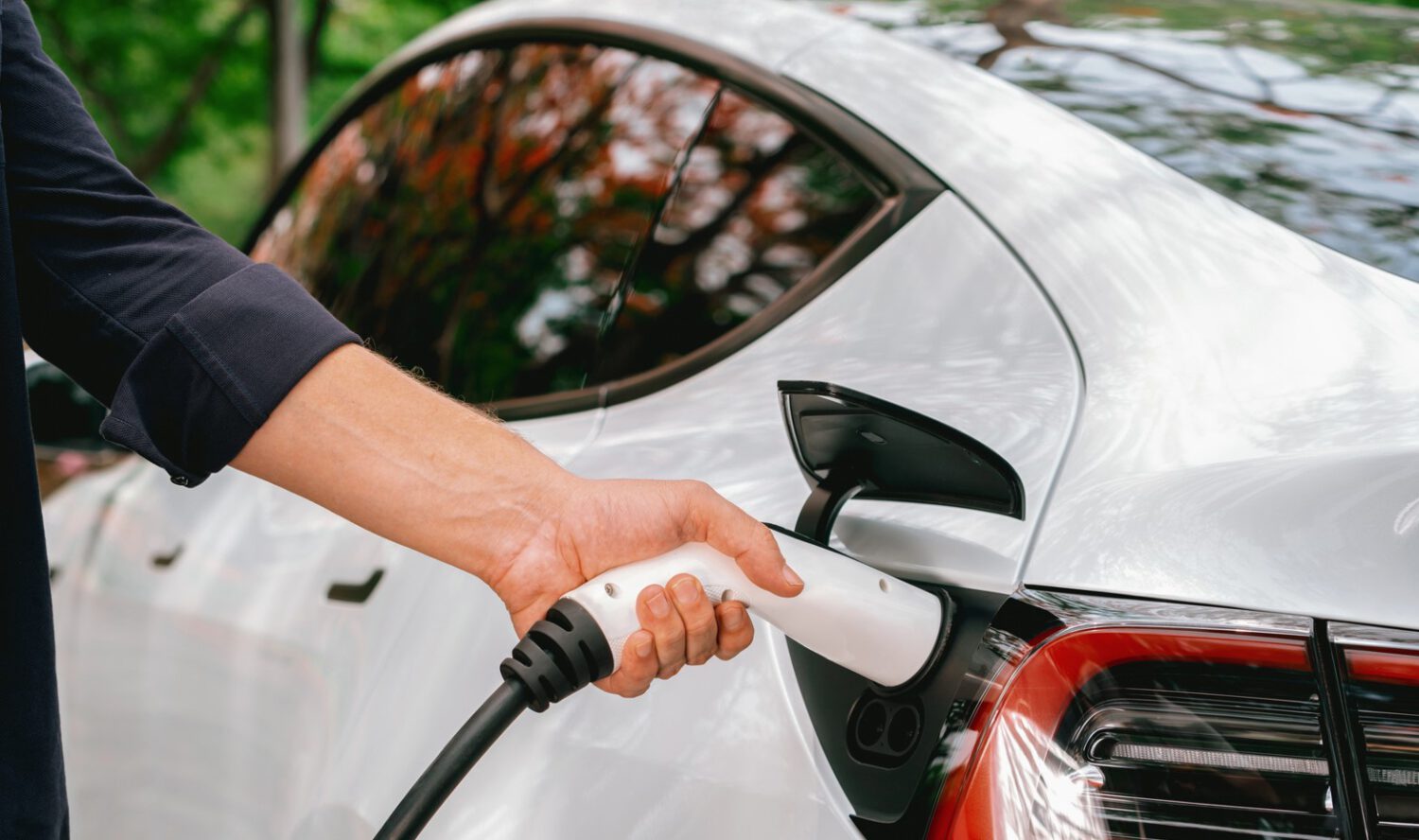
These Level 2 stations add roughly 30 miles of range per hour at 21 cents per kilowatt-hour.
If you drive a typical EV, you can expect to add roughly 30 miles of driving range per hour, according to The Next Web. The stations operate at up to 9.6 kilowatts.
Pricing is $0.21 per kilowatt-hour, charged as an energy-based fee rather than a time-based one. The stations are public and first-come, first-served; you cannot reserve a spot in advance.
That access model works well when supply meets demand. Popular spots near dense apartment clusters may see real competition for available stations, particularly as the network becomes better known. That is a plausible outcome of the access model, not a confirmed result of the expansion.
Timeline
Construction begins in fall 2027, with all planned stations expected to be operational by 2030.
Design and permitting are expected to begin in spring 2027, per InsideEVs reporting. Construction then rolls out from fall 2027 through 2030.
Each individual site takes roughly two weeks to build, though permitting and utility coordination can shift that window. All planned stations, up to 200, are expected to be installed and in service by 2030.
Funding
Voter-approved levy money is backing the buildout.
The expansion draws from Seattle’s $1.55 billion voter-approved Transportation Levy. The city has identified approximately $32 million for public EV charging and related electrification efforts. InsideEVs reports that roughly $21 million of that is directed toward this curbside expansion; project costs may change as sites are finalized.
What This Means If You Park on the Street
The pilot proved the need; this expansion is the city’s response.
Renters, street-parkers, and residents in buildings without dedicated charging are the program’s stated priority. The program addresses a gap that has made EV ownership harder for people who cannot install a home charger.
The pilot recorded nearly 45,000 charging sessions across 58 stations in a single year, an average of more than 775 sessions per station. If your block is one of the gaps, submitting an application is how you put your street on the city’s review list.